Black Gold: The Future of Food...We Throw Away
Learn more about your ad choices. Visit podcastchoices.com/adchoices
Press play and read along
Transcript
Speaker 1 For millions of Californians all around the state, 2022 will be the year that forever changes how we deal with waste.
Speaker 3 Here's a banana pill.
Speaker 2 Here's a top of an orange. Here's some eggshells.
Speaker 4 Starting January 1st, a new law across California will require every person and business to recycle all of their organic material. It's a way to make sure the things we waste waste don't go to waste.
Speaker 6 This is really the kick in the seat of the pants that we needed as a community, as a region, to build the infrastructure.
Speaker 5 I'm Brian White from UZ.
Speaker 2 I live in the golden state of California, and so I woke up on January 1st, 2022 to a whole bunch of headlines like this about how everything was about to change.
Speaker 2 There were all these brand new rules about throwing away food scraps, and everyone was about to be kicked in the rear end.
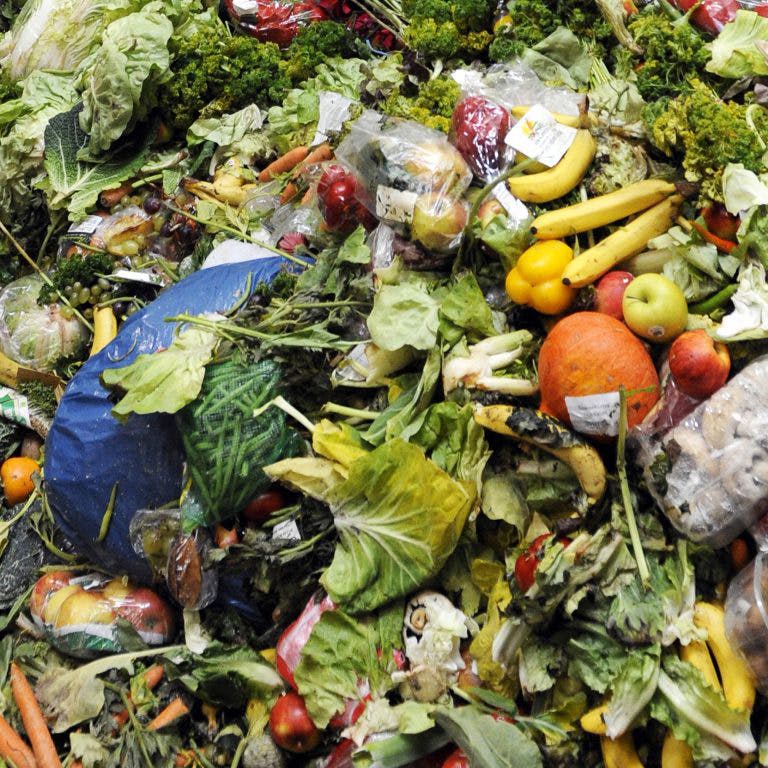
Speaker 3 Millions of Californians, like hundreds of millions of Americans, toss all their apple cores and moldy lettuce from the back of the fridge straight into the garbage.
Speaker 3 So, why is that a problem, and what will California and maybe all the rest of us soon be doing instead?
Speaker 2 That's exactly what we're digging into this episode of Gastropod, the podcast that looks at food through the lens of science and history. I'm Nicola Twilley.
Speaker 3 And I'm Cynthia Graeber, and this episode, we're exploring something that Nikki and I both happen to be kind of obsessed with, and that's compost.
Speaker 2
It's not glamorous, we we know, but we're kinda crunchy at heart. You know that by now.
So in theory, we love compost.
Speaker 2 In practice, it can be kinda hard to have a satisfying relationship with.
Speaker 3 This episode, Why Making Compost is Harder Than It Looks, Why It Actually Really Matters, and What We Can Do to Make the Best Use of All Our Food Waste.
Speaker 2 And why doing something useful with our food waste is actually a solution for a whole bunch of problems at once, not least of which is climate change.
Speaker 2 And to figure out the future of the the food we throw away, we're going to visit some of the most high-tech facilities in the country.
Speaker 2 All that, plus fruit sticker bingo, and lots and lots of microbes.
Speaker 3 Drink! This episode is sponsored in part by the Sloan Foundation for the Public Understanding of Science, Technology, and Economics.
Speaker 3 Gastropod is part of the Vox Media Podcast Network in partnership with Eater.
Speaker 8 With a Spark Cash Plus card from Capital One, you earn unlimited 2% cash back on every purchase.
Speaker 10 And And you get big purchasing power.
Speaker 7 So your business can spend more and earn more.
Speaker 10 Capital One, what's in your wallet?
Speaker 7 Find out more at capital1.com slash spark cash plus terms apply.
Speaker 8 With a Spark Cash Plus card from Capital One, you earn unlimited 2% cash back on every purchase.
Speaker 10 And you get big purchasing power.
Speaker 7 So your business can spend more and earn more.
Speaker 10 Capital One, what's in your wallet?
Speaker 7 Find out more at capital1.com slash spark cash plus terms apply.
Speaker 12 The food waste recycling law we've all been hearing about just went into effect a couple of days ago on January 1st. While some people already have their new green bins, many others do not.
Speaker 12 News aid's Brian White has the details on how to follow these new rules.
Speaker 5 With the new organics recycling law, our food waste will no longer be going into the regular trash.
Speaker 2 Except most of it still is, at least right now. But this new law aims to change that, and soon.
Speaker 2 It passed a few years ago, it came into effect on January 1st, 2022, and it has the exciting title of State Bill 1383, SB 1383 to its friends.
Speaker 3 One of those friends is Rachel Wagner. She's the director of CalRecycle, which is the California Department of Resources, Recycling, and Recovery.
Speaker 14 SB 1383 directs Californians to reduce the amount of organic waste going to the landfill by 75%
Speaker 14 by 2025.
Speaker 3 75% reduction sounds like a huge amount, and it is, because Rachel said that right now about 24 million tons of organic waste are going to landfills in California.
Speaker 3 This is more than half of what California sends to landfills total. Some of what's considered organic waste is yard waste, like grass clippings and leaves and tree pruning.
Speaker 3 Some of it is wood waste, like from construction sites.
Speaker 2 But a good amount of it is food. Everything from stuff that's scraped off plates into the bin to all the peelings from a baby carrot processing line.
Speaker 2 Everything from restaurant waste to stuff that expires before it's sold at the grocery store. A whole lot of it ends up in landfills.
Speaker 13 And the thing about it is, it just doesn't have to end up there.
Speaker 2 This is Nora Goldstein. She's the editor of BioCycle, the organic waste and wastewater industry magazine.
Speaker 3 You might be thinking, well, all that food is just going to break down eventually, right? After all, food is biodegradable.
Speaker 3 But the thing is, in a landfill, food just kind of turns into a gloppy mess, and it produces a liquid that mixes with everything else in the landfill and is generally really bad and is not something you want to let escape from the landfill and get into the rest of the world.
Speaker 13 Which is why they have liners and different things like that.
Speaker 2 This liquid, it's called leachate, which is a disgusting name for a disgusting thing. But actually, leachate is not the biggest problem.
Speaker 3 The biggest problem is what's creating that goopy mess. As usual, it's microbes.
Speaker 2 Drink, but definitely not the leachate.
Speaker 3 Here at Gastropod, of course, we love microbes. And in a backyard compost pile, which yes, we are about to get to, microbes break down food scraps into lovely, rich, brown, soil-like stuff.
Speaker 3 But they need air to do it, and they don't have air in a landfill.
Speaker 13
When you take away the air, it's a different set of microbes. They're anaerobes.
And they too break down the same organic material, but in the process, they generate carbon dioxide and methane.
Speaker 3 Lots and lots of methane.
Speaker 14 Which is 84 times more potent than carbon dioxide in the atmosphere.
Speaker 14 So, as our banana peels and our chicken bones are breaking down, they're creating this very, very potent climate pollution called methane.
Speaker 2 Rachel told us that just in California alone, stopping these microbes from breaking down organic waste and burping out methane would be a very, very, very big deal.
Speaker 14 In a very short period of time, we can have a massive impact on climate change. When we reach our 75% goal in 2025, it is the equivalent of taking nearly 3 million cars off of the road for a year.
Speaker 3 Again, all those methane emissions aren't entirely because of food, but food is a big and very potent part of it.
Speaker 2 So great. Let's keep food out of landfills.
Speaker 3 How? Well, one obvious way to keep food out of landfills is to not throw as much of it away in the first place. And Rachel and Cal Recycle are working on that.
Speaker 14 We've appropriated more than $25 million
Speaker 14 to roughly 80 different local governments and organizations across the state to recover still edible food.
Speaker 14 And it's facilitated over 150 million meals served in food that otherwise would have gone to waste.
Speaker 2 Finding ways to get food to people to eat while it's still edible, obviously that's ideal. And it's a story we'll cover another time.
Speaker 2
But sometimes food has gone bad bad or isn't edible for some reason. It cannot be saved.
So how can we keep that food out of landfill?
Speaker 3 As we've said, one great solution is composting it.
Speaker 13 Composting at heart is a biological process that takes place in nature. It's microbes breaking down, organic matter, if you will.
Speaker 2 The good microbes.
Speaker 3
Drink. And for basically, well, most of human history, since we started settling down, leftover food scraps were indeed composted.
They were seen as a resource.
Speaker 3 There's evidence of people composting them as far back as the Stone Age, and as soon as people started writing, they left notes about compost on their clay tablets, too.
Speaker 2 As human settlements got bigger, some people made a living just collecting food waste and transforming it into all kinds of useful products, not just compost.
Speaker 2 In Victorian London, bone grubbers collected bones to make into soap and glue. Dripping men scavenged leftover grease and fat to clean and reuse in the textiles industry.
Speaker 2
Dustmen sorted street refuse in vast dust yards and turned coal ash and oyster shells into a kind of fertilizer. And farmers fed their pigs on food scraps.
It was a win-win for everybody.
Speaker 3 But in the early 1800s, cities were getting bigger and denser.
Speaker 17 You know, sort of people were starting to understand disease and how it spread and where it came from.
Speaker 17 And in that moment, really, there was a huge movement for cities to step in, city governments to kind of take over the process of waste management.
Speaker 2 This is Lily Pollins. She's an assistant professor of urban policy and planning at Hunter College and her book is called Resisting Garbage.
Speaker 2 And she says, when governments took over, these previously valuable, useful food scraps just got lumped in with everything else, broken stuff, packaging, anything that was being disposed of.
Speaker 17 It was in that moment that like waste became a single thing.
Speaker 17 You know, from that moment on, it kind of collapsed from like a million categories of every single material just being a material to like all discards together being a mass that we consider solid waste.
Speaker 17 And once that occurred, it's been really difficult to disaggregate the various components to deal with them differently because now like once it's all waste, it's all gross.
Speaker 17 I mean by definition it has no value and that's like really challenging.
Speaker 3 So in the past 200 years food waste has just been seen as gross waste and it's created gross landfills that have to have super thick liners to stop the gross leachate from leaching out.
Speaker 3 Food waste hasn't been the beautiful resource it used to be.
Speaker 2 That's how we got here, but now we know that putting food waste in landfills is a terrible idea. So, are we all gonna start making compost here?
Speaker 18 Welcome to the beating heart of Longweather.
Speaker 18 This is the single most important place in the whole garden because it's where we make our compost.
Speaker 3 I completely love Monty Don of Gardener's World. He's been a legend in the UK for decades.
Speaker 2 He's the David Attenborough of the garden.
Speaker 3 I only discovered Monty during the pandemic, but I have spent many, many soothing hours watching him garden and listening to his advice.
Speaker 18 It's very easy to make good compost, and also there is no one right way. If it works for you, then you're doing it right.
Speaker 3 My favorite thing about Monty is that he makes you feel like everything's okay. Like he says here, if it works for you, then you're doing it right.
Speaker 3 But I have to say, Monty, in this case, you're wrong. It is not very easy to make good compost.
Speaker 2
I have tried. Cynthia has tried.
Here's the thing, or rather, the things. There are so many things you need to get exactly right to end up with compost rather than a disaster.
Speaker 2 It's not just a matter of throwing your food scraps in a bin and waiting, let me tell you.
Speaker 3 First of all, the microbes do their job only if you have the right mix of what are called brown and green, so brown is like dead leaves.
Speaker 3 If you only have food, which is considered green, it rots and gets gross instead of turning into beautiful compost.
Speaker 2 And even if you get that whole proportion right, then you have to make sure your pile has the right amount of water and that you turn it regularly so it gets air and even then it takes forever and you can't add new food scraps while you're composting.
Speaker 2 So, where are they supposed to go?
Speaker 3 Here we get to the problem of space. Monty has multiple compost heaps.
Speaker 3 He has one that he's filled up, and he's turning it and letting the microbes do their thing, and then he moves on to the next one and starts putting fresh food in it.
Speaker 3 Most of us do not have the space for multiple compost piles.
Speaker 2 In fact, if you're in a city, not only do you not have the space, as a general rule, you also have the issue of other creatures who like food scraps, but who you might not want to host in close proximity, like rats and roaches.
Speaker 3 So, I tried outdoor composting in a spinning bin and that never really worked because I only had one.
Speaker 3 Plus I couldn't put everything in there no meat or fish or bones or anything and I've also tried composting with worms but the problem was they just didn't eat my food scraps fast enough.
Speaker 2
Oh my god worms are so slow. I have worms.
I love my worms and they cannot keep up. Plus they're picky.
My avocado peels Those never get broken down in the worm bin.
Speaker 2 And they go on strike in the summer when it's super hot, even though I tenderly put ice cubes in their bin because I am ridiculous.
Speaker 3 No comment. But this is all to say, it's not really a surprise that not too many of us have taken up backyard composting and that today, food takes up more space in U.S.
Speaker 3 landfills than any other one type of waste. 80 billion pounds of food get tossed in landfills every single year.
Speaker 2 Which is terrible, but not every single food scrap in America goes to waste. These days, there are at least a few hundred communities that collect some kinds of food waste and do something with them.
Speaker 3 And this is because a few decades ago, we as a society started to remember that there might be a better way to deal with our trash than toss it all in a landfill.
Speaker 17 So it was probably in the 1960s that we started to see conversation about waste as a problem.
Speaker 2 Because the 1960s is when you get the start of the environmental movement.
Speaker 2 You get the start of some curbside yard waste and paper metals collection, but really only in a handful of the country's more liberal communities.
Speaker 3 But people outside the crunchy granola communities started to worry too. In the 80s and 90s, that's when landfills started to fill up.
Speaker 19 The vagabond barge has become an international issue.
Speaker 4 The most watched load of garbage in the memory of man.
Speaker 19 Six ports have already refused the refuse.
Speaker 20 The barge has been chased away by the warplanes of two nations, and now it's anchored here, five miles off the coast of Key West, Florida. Still loaded with tons of garbage, still unwanted.
Speaker 2 This is archival footage from PBS's retro report about the garbage barge, which was headline news in 1987.
Speaker 3 A barge worth of trash from New York City was sailing around the coast homeless. The reasons the trash was homeless were actually quite complicated.
Speaker 3 It wasn't because there was literally no place to put it, but it did start a public conversation among municipal leaders about landfills and how full they were getting.
Speaker 13 And they started looking at what they were putting into their landfills, and they saw immediately the amount of yard trimmings and woody waste going into the landfills.
Speaker 13 So that was an easy material to get out. out.
Speaker 2 For Nora and her compost buddies at BioCycle, this newfound commitment to keeping yard waste out of landfills seemed like the renaissance they'd been so eagerly awaiting.
Speaker 13 We all thought that was going to be it. We were going to be doing much more composting.
Speaker 3 Instead, governments just built newer and better landfills and dumped more and more trash in them.
Speaker 2 There were some new programs. Some cities started giving out home composting bins, and some started programs to collect and compost organic waste in institutions like prisons and university campuses.
Speaker 17 But in terms of food waste, like food scraps, that didn't really happen until much later.
Speaker 3 Getting food scraps out of landfills as an official waste management strategy, that only really started in the early 2000s.
Speaker 3 Lilly says that cities that were serious about waste had already started recycling programs. They were collecting paper and plastic and cans and bottles.
Speaker 17 They got good at enforcement, good at compliance. People recycled and they plateaued and they still had 60, 70% of their waste stream going to landfill.
Speaker 2 Once again, California was out front. In In the late 80s, it passed a law saying that municipalities had to cut the total amount they were sending to landfill in half by the year 2000.
Speaker 2 At that point, pretty much all the cities started collecting garden waste in special bins.
Speaker 13 But San Francisco was a city where they didn't have a lot of yard trimmings, but they had the food waste. And so in order for them to comply and meet the 50%,
Speaker 13 they had to go after the food waste. So they started a pilot.
Speaker 3 The pilot became a citywide program and then that became law in 2009. You had to and have to toss your food scraps in a green bin.
Speaker 2 Seattle was the next big city in the U.S. to start collecting food scraps but for a decade or more Seattle and San Francisco were lonely outposts.
Speaker 2 There were really just a handful of places collecting and composting food scraps. But that has pretty suddenly and pretty recently all changed.
Speaker 17 And it kind of comes hand in hand with climate change and the interest in reducing greenhouse gas emissions.
Speaker 17 And because it's the organic waste in the landfill that's producing the greenhouse gas emissions, so when cities started to consider that angle, use that as a lens of analysis, then managing organics seemed a lot more important.
Speaker 17 But it's really challenging, and I think it took a long time for cities to figure it out.
Speaker 3
And this brings us right back to where we started, figuring it out. California passed a new law.
Food waste can't go in the landfills anymore. This is no longer an option.
Speaker 3 So they have to rise to the challenge. But how?
Speaker 2 This is where things get really interesting and really complicated after the break.
Speaker 11 Oh, the car from Carvana's here.
Speaker 3 Well, will you look at that?
Speaker 22 It's exactly what I ordered. Like, precisely.
Speaker 3 It would be crazy if there were any catches, but there aren't, right?
Speaker 13 Right.
Speaker 2
Because that's how car buying should be. With Carvana, you get the car you want.
Choose delivery or pickup and a week to love it or return it.
Speaker 22 Buy your car today with Carvana.
Speaker 3
Delivery or pickup fees may apply. Limitations and exclusions may apply.
See our seven-day return policy at Carvana.com.
Speaker 24 Let's be honest.
Speaker 2 Are you happy with your job?
Speaker 11 Like, really happy?
Speaker 24 The unfortunate fact is that a huge number of people can't say yes to that. Far too many of us are stuck in a job we've outgrown, or one we never wanted in the first place.
Speaker 24 But still, we stick it out, and we give reasons like, what if the next move is even worse? I've already put years into this place.
Speaker 23 And the most common one, isn't everyone kind of miserable at work?
Speaker 24
But there's a difference between reasons for staying and excuses for not leaving. It's time to get unstuck.
It's time for strawberry.me.
Speaker 24 They match you with a certified career coach who helps you go from where you are to where you actually want to be.
Speaker 24 Your coach helps you get clear on your goals, create a plan, build your confidence, and keeps you accountable along the way. So don't leave your career to chance.
Speaker 24
Take action and own your future with a professional coach in your corner. Go to strawberry.me slash unstuck to claim a special offer.
That's strawberry.me slash unstuck.
Speaker 3 We've been talking about how groundbreaking California is, but we do have to give a nod first to Vermont. They put in a food waste ban that rolled in over a few years and became a full ban in 2020.
Speaker 13
But the state has 600,000 people. So it's very very significant.
It was the first to go after residential, but California is doing it in a much bigger way.
Speaker 2 Bigger as in 39 million people and the fifth largest GDP in the world if it was a separate country.
Speaker 3 And Rachel pointed out that the state has committed $270 million in 2022 to make this happen.
Speaker 14 The vast majority of which for this chunk of money is meant to go towards building out that infrastructure for organic waste recycling.
Speaker 2 So yeah, that infrastructure. What actually do you have to build to deal with an entire state's food scraps?
Speaker 14 So we have our community compost, our, as a friend of mine who's in the composting world calls it, our schmedium composters, our medium-sized ones.
Speaker 3
I like schmedium. That sounds fun.
Community compost sites. These might be a garden or park in a neighborhood that accepts food scraps you bring over and they have a bunch of bins.
Speaker 2 We have those in LA and they're great, but also at least the ones near me you have to sign up for and there's often a waiting list because they can't cope with everyone suddenly bringing everything to them.
Speaker 2 It's a capacity issue.
Speaker 3 So, Schmedium community composters are clearly not going to be able to deal with California's mountain of food scraps on their own.
Speaker 14 Each community, each neighborhood, each region, each jurisdiction is going to need a variety of tools to deal with the different types of waste.
Speaker 2 And for LA, one of those tools is actually an hour and a half drive away in the city's backyard, the Mojave Desert.
Speaker 16 Well, to our east is a very large cement plant.
Speaker 16 To our north is a wastewater treatment facility. The old George Air Force Base is to our
Speaker 16 west over here
Speaker 16 and we have
Speaker 16 mountains that surround us.
Speaker 3 Keith Churchill is the director of organics for a company called Athens Services and he's in charge of an industrial compost site called American Organics. It's in Victorville, California.
Speaker 3 It's been around for more than a decade.
Speaker 16 Especially in Southern California, this facility is far more advanced than any other composting facility I've been to in Southern California.
Speaker 2 It doesn't look like much, honestly. Keith works out of a single-story prefab office, and then across the street, there's a shed and some piles of dirt.
Speaker 2 But American Organics currently receives between 400 and 500 tons of organic waste every day.
Speaker 2 That's not even quite 2% of the food waste LA produces on a daily basis, but it's not nothing.
Speaker 3 Keith says a good quarter of Angelinos send their organic waste to Victorville. They're not all sending food waste.
Speaker 3 Most of what Keith gets in, a full 85% of it, is yard waste, but food waste is now the other 15%, and that's growing.
Speaker 16 You can see residual food waste within the pile, right? So you've got some oranges over there, got a lemon over there.
Speaker 16 Every once in a while, you'll see food scraps from a table floating around in the pile.
Speaker 2 You might also see an actual table floating in there or a chair, which I did see on my visit.
Speaker 3 Organic waste is supposed to be clean organic waste. It's not supposed to have things like tables and chairs in it.
Speaker 3 But as you listeners probably know, we humans are not always great at following directions. And this is a problem for composters.
Speaker 2 Keith said the glass showing up in the organic waste is one of the real banes of his life.
Speaker 16 There's a lime in my corona bottle, so I'm going to throw it in the trash. So that tends to happen quite frequently.
Speaker 3 Keith does try to keep contamination out.
Speaker 3 The first line of defense for him are receiving stations closer to the city and there are people there whose job it is to look through all this organic waste and pick stuff out by hand.
Speaker 16 There's a load checker there that inspects each load to make sure that there isn't anything that shouldn't be there. Kind of the first glance.
Speaker 2 But stuff still gets through so when the truckload of organic waste gets dumped out on the shed floor out in Victorville there are more people doing more sorting.
Speaker 16 This grapple looks like a excavator except it's got a big claw on the end so it's like the claw game.
Speaker 2 If you played the claw game from the cab of a piece of heavy construction equipment.
Speaker 16 He goes into the pile, he'll grab a couple bags, shake them, try to get the material out of it, set those aside.
Speaker 16 If he sees that chair in the pile, he'll gingerly pick that out and set that aside, and he'll get somewhat cleaner. material, put it on that conveyor.
Speaker 3 So that's step one and two. They work hard to get as much trash trash out as possible.
Speaker 2 And then the resulting brown, lumpy stuff gets kind of shredded into smaller chunks and it gets moved onto a conveyor belt out of the receiving shed and into big piles and then the magic begins.
Speaker 2 Composting.
Speaker 16 So when you talk about compost you talk about allowing mother nature to do its job and to do it more efficiently. So how you do that is you create little ecosystems for microbes to live in, right?
Speaker 16 So what do microbes need? They need air, they need water,
Speaker 16 and they create the heat.
Speaker 3 Victorville is, as we said, in the Mojave Desert. So for water, they use water from industrial food companies rinsing out their equipment, food and water, all in one.
Speaker 2 And then comes the super high-tech part.
Speaker 16
Yeah, so this is a casp. So basically, it's two bunkers kind of facing each other.
Big concrete wall on either side. There's a lot of ducting that goes underground into the floor of this casp.
Speaker 16 There's one big blower on each side, which is computer
Speaker 16 in that climate-controlled shed.
Speaker 2 And the brown piles of organic stuff, that sits in the middle on a concrete floor. The whole thing is the length of a football field, but not quite as wide.
Speaker 3 This concrete structure is what makes the American Organic Site such a cool, advanced compost site, not just your fun local community garden compost bins. CASP stands for Capped Aerated Static Pile.
Speaker 3 The CAP is just a layer of insulation of already made compost. The big deal is the aerating.
Speaker 16 We have blowers that blow air through the floor of this concrete bunker. Those blowers are computer regulated.
Speaker 16 My managers can actually pull up on their phone the temperature of each zone and it automatically regulates the airflow to regulate the temperature within the pile.
Speaker 16
It gets too hot, they cut down on the airflow. It's too cold, they boost the airflow.
creates more oxygen for the microbes within the pile.
Speaker 3 More oxygen for microbes means they eat their way through the food faster. Keith can compost in roughly a third of the time it would take otherwise.
Speaker 16 You can hear the air coming through the floor here.
Speaker 2 These are just literally holes in the concrete floor of the casp. They're about the size of a quarter and when you stand above them in an empty section, it's a pretty nice breeze.
Speaker 16 So that air will actually force pathways of air coming through the pile.
Speaker 16
And on a cold morning, all these piles are just steaming. There's a fog coming off the facility from the steam.
You know, it almost looks like it's on fire.
Speaker 2 Which it's not. It's just hot enough to kill any bad bugs and for the good microbes to get their job done.
Speaker 3 After 18 to 20 days, that compost leaves the casp system and hangs out in another pile for about three to four weeks at cooler temperatures. It's basically curing and becoming even better compost.
Speaker 16 So that's finished compost that they're loading right now.
Speaker 16 He's loading up the 316ths material. As you can see, it's very powdery.
Speaker 2 At the end of the whole process, after a whole bunch of testing and screening for any last bits of contamination, Keith does yet another round of sorting to turn his compost into a few different final products.
Speaker 2 When I was there, they were loading what he calls the 316ths. It's a super fine, gorgeous, black, dusty powder that goes into potting mix at garden centers.
Speaker 2 He also makes a slightly lumpier compost for farms.
Speaker 16 The 38ths material is larger, fluffier, works well with agriculture.
Speaker 16 That's the standard size for agriculture to put on orchards like pistachios and almonds, which is a big grower in Arizona, California.
Speaker 2 Keith grabbed a lovely fluffy handful of his finished compost for me. It was soft like fresh snow.
Speaker 16 See that gray in there? That means we know we have got good compost.
Speaker 16
That's a natural fungus that grows in compost. That means that you got a really high nitrogen content.
As you can see, it's just dirt now, right?
Speaker 16 See, you can smell it. It smells like good dirt.
Speaker 16
Yeah, I love it. It's weird.
It's finished compost starts smelling like teriyaki, which is not undesirable, but and it's it's good smelling soil.
Speaker 2 When I was there, I didn't really pick up on the teriyaki scent, but when I got home, my stuff smelled exactly like Panda Express.
Speaker 3 Keith says they already have plans to double the amount that they're bringing in and they can handle it.
Speaker 2 Rachel at Cal Recycle told us there's a market for all this finished compost and more, too.
Speaker 2 She thinks this kind of quality, industrial-scale composting is one of the best things that could happen to California's food scraps.
Speaker 14 For a state like California that is so agriculturally driven, we really pride ourselves on being agriculturally driven. I'm very focused right now on how to build out the composting system.
Speaker 14 Compost's ability to retain water and to replenish the soil with a lot of important nutrients is such a huge opportunity for us as we're looking to adapting to the impacts of climate change.
Speaker 3
I have to say, I always thought this type of facility was kind of the be-all end-all. Like this was the right solution for food scraps and it is awesome.
But then I met Jamie in Boston.
Speaker 25 So my name is Jamie Ecker and I'm Waste Management's Director of Organics Project Development and Technology. And I've worked for the company about 10 years.
Speaker 25 I've been in the organics business over 30 years.
Speaker 3 We met at a a big warehouse called their core facility or centralized organics recycling.
Speaker 25
And what we do here is we prepare the food waste that comes in from around the area to be co-digested. We make a slurry, an engineered bio-slurry.
We call EBS, that's our trademark.
Speaker 25 And that's what you're going to see today.
Speaker 2 What a treat. Who doesn't want to see engineered bio-slurry?
Speaker 3 Jamie and his colleagues take in about 100 to 120 tons of waste a day and all of it is food, no yard waste at all.
Speaker 3 Some of it comes from homes, but most of it comes from restaurants, universities, groceries, even farmers.
Speaker 2 Like California, Massachusetts has its own newish set of laws around sending organic waste to landfill. These laws are not quite as all-encompassing as California's.
Speaker 2 They don't apply to everyone, like every individual household, but they basically say that organizations and businesses that produce more than a ton of food scraps per week cannot throw any of it in the landfill.
Speaker 25 That truck is called a rear loader.
Speaker 26 It's got cart tippers on the back.
Speaker 25 So
Speaker 17 it's tipping.
Speaker 3 And it's spilling out a flood of food onto the cement floor. Konrad Novikowski is the plant manager and he and Jamie took a look.
Speaker 25 So that looks like on the right looks like lettuce or arugula from a local manufacturer.
Speaker 25 In the middle looks like restaurant waste, perhaps from one of the local universities, cafeterias, or restaurants.
Speaker 21
That's celery, so it comes from a farm, local farm. We get at least one compactor a day, mix of celery, spinach.
Many times, there's some clamshell boxes behind it, the letters in the clamshell boxes.
Speaker 25 That's what I was looking at. I saw the clamshells.
Speaker 21 I saw that's clamshell, yeah, spinach in the clamshell boxes.
Speaker 25 And the tote, is that the tote from the whiskey menu?
Speaker 21 So that's a grain from a whiskey distillery right behind a a wall.
Speaker 2 At Waste Management, what they've really focused on is developing a system that can separate out all that plastic and packaging so you're only left with the food.
Speaker 25 Now we don't want everything in the kitchen sink, although we literally, at one of our facilities, once got a kitchen sink.
Speaker 25 But that has allowed us to broaden the spectrum a little bit to take things like containers of expired goods because our equipment and process can remove that plastic.
Speaker 3 It's It's a little smelly with all that expired yogurt and whiskey mash and rotting food from people's houses, but it's not horrible.
Speaker 3 And they have an HVAC setting that sucks in more fresh air than it spits out, so no smelly air ever leaves the facility and none of the neighbors are bothered.
Speaker 3 And anyway, by the end of the day, the floor is totally clean.
Speaker 25 You might smell a little bit right where you are right here, but
Speaker 25 if you're 15 feet back, you wouldn't smell a thing.
Speaker 3 They scoop up all those food scraps and put them in a huge contraption that looks like something out of a steampunk movie. I wasn't allowed to take photos of of it.
Speaker 2 The spinach and the clamshells and the whiskey slush and all that leftover celery, it all gets mixed with the same kind of food processing liquid they use at the compost facility in California.
Speaker 2 The food scrap filled water from washing out food factory equipment.
Speaker 2 And then all of it gets swooshed around against smaller and smaller screens, and they screen out the plastic, and eventually it turns into a slurry that's just liquidy food.
Speaker 25 Yeah, this looks like a
Speaker 25 maybe like a lentil soup or a squash soup. Little chunks of stuff in there.
Speaker 3 And then they put that soup-like final product in a tanker and it heads off to the Greater Lawrence Sanitary Digester and their anaerobic digestion facilities. Those are about a half hour away.
Speaker 3 The executive director there, Sherry Cousins, met us on the other side.
Speaker 27 So the tank in front of us is what we call the blending tank, and the biosolids from the treatment plant and the food waste are completely mixed before being sent to the digesters.
Speaker 3 A few floors underground, there's not all that much to see.
Speaker 3 The trucks show up outside, they pump their waste into the building, and there it's blended with a different slurry, one that is actually sewage.
Speaker 2 So now it's lentil soup with poo in it, which if you heat it up to body temperature in a sealed, airless container, turns out to be a perfect playground for a different set of food decomposing microbes, the anaerobic kind.
Speaker 15 So no air, no oxygen is in there.
Speaker 25 So those bugs are eating the organic matter. And when they eat and digest that, they are basically creating gas, biogas.
Speaker 3
This biogas is actually our old enemy methane. And this is the whole point of getting the food and turning it into a slurry and mixing it with sewage.
It's to produce methane.
Speaker 3 Now, we said before that anaerobic digestion and and the resulting methane in a landfill is bad. It's a superpotent greenhouse gas.
Speaker 3 But if you don't let it escape into the atmosphere, it's really useful as energy.
Speaker 2 And food waste is actually full of energy if you think about it, because we haven't eaten it. Our digestive system and our microbes haven't extracted all that energy.
Speaker 2 And so this digestion facility can pull it out and use it as power.
Speaker 3 So that may make you wonder, why not just put the food scraps in landfills and let the anaerobic microbes digest it and then capture the methane there.
Speaker 3 Surely you'd end up with the same result, energy from wasted food.
Speaker 2 Some landfills are doing this and it's definitely better than just letting all the methane escape, but that process is only half as efficient as the type of digester we saw, and you also still have other problems with leachate and so on.
Speaker 3 In the past, the Greater Lawrence Aerobic Digester created energy from just sewage, but then they added food and it's way more powerful now. Like we said, food has a lot more energy than sewage.
Speaker 25 The amount of energy that's coming out of every gallon, if you will, of food waste here has far exceeded the original engineers' expectations.
Speaker 27 We're actually making more power than we need right now.
Speaker 3 And that extra power gets fed into the grid for folks in the area to use.
Speaker 2 All this additional energy is a big deal because it turns out, which is a big surprise to me, treating wastewater is a huge energy hog.
Speaker 2 A sewage plant is basically one of the most energy-intensive facilities that a city runs. Treating wastewater accounts for a full 1%
Speaker 2 of all the energy we use in the U.S., which is kind of mind-blowing. What this means is that running these kind of facilities on food scraps rather than fossil fuels is a big climate savings.
Speaker 3 And this anaerobic energy generating digester creates something else usable at the end too.
Speaker 3 After the slurry spends about 20 days in the digester, it flows out and it's dried into a cake and then that's crumbled into what looks like kind of grainy black soil. They call it pellets.
Speaker 3 I saw some that had been recently dried.
Speaker 25 So look at that.
Speaker 23 Yeah you can touch it.
Speaker 25 It's perfectly safe.
Speaker 3
Oh it's warm. It's warm and it feels almost like black sand.
Yeah it's hot out of the oven.
Speaker 23 Can I smell it?
Speaker 3 Yeah.
Speaker 3 Smells like slightly manurey dirt. Yep.
Speaker 2 These grainy pellets get sold to farmers as a kind of fertilizer. They're not as high in nutrients as synthetic fertilizer or dairy manure, but they're still useful.
Speaker 2 And Jamie says the farmers want it.
Speaker 3
There are anaerobic digesters around the country that process food waste. There are some that do sewage waste.
And there are some that add food waste to sewage.
Speaker 3 But Jamie says these two sites are basically the first large-scale system to process and separate out food and create a clean slurry from a combination of commercial and residential sources and feed it consistently to an anaerobic digester at scale.
Speaker 3 This whole system is a pioneer.
Speaker 25 People don't realize what's going on here. This is really, really,
Speaker 25 this is a game changer in sustainability in terms of municipal infrastructure.
Speaker 3 I was impressed.
Speaker 3 And while I totally love compost, and I still think it's the very best option possible in theory, I did end up thinking maybe for some places, maybe a place like Boston or New York, where there are a lot of people creating a lot of food waste and there isn't a lot of farmland around either to make or use the compost.
Speaker 3 In these cases, maybe this is a great alternative.
Speaker 28 If they realize they have full capacity, they could take 92,000 gallons per day of food waste. And that's about 40% of the food scraps in Massachusetts.
Speaker 2 This is Zizzima. She's a research engineer with the EPA, and she and her colleagues did what's called a life cycle assessment of this process that they do at the Greater Lawrence facility.
Speaker 2 The EPA wanted to know if this way of dealing with food scraps made environmental sense.
Speaker 3 They compared the Lawrence system to existing local composting and to local landfilling. They took into account things like greenhouse gases emitted or, in the case of Lawrence, generated.
Speaker 3 They considered what energy would be used to make fertilizer. They looked at transportation needs, water use, everything.
Speaker 28 In this case, in GLSD case, and because we take into account the local conditions,
Speaker 28 in this case, yes, I think anaerobic digestion does better than compost.
Speaker 2 But Sissy says it's not one size fits all.
Speaker 28 In some cases, if the compost analysis turns out it's better, I think composting and anaerobic digestion might be all good options. They are all better than landfill.
Speaker 2 So this is actually a pretty optimistic episode, Cynthia.
Speaker 2 We have this high-tech industrial compost facility in LA and this high-tech co-digestion facility in Boston and all these food scraps becoming useful new things rather than terrible climate change causing emissions.
Speaker 23 I have to ask, is there a catch?
Speaker 3 Well, funny you should ask, Nikki, there are catches and challenges, of course, coming up after the break.
Speaker 22 Avoiding your unfinished home projects because you're not sure where to start? Thumbtack knows homes, so you don't have to.
Speaker 22 Don't know the difference between matte paint finish and satin, or what that clunking sound from your dryer is? With thumbtack, you don't have to be a home pro.
Speaker 3 You just have to hire one.
Speaker 22 You can hire top-rated pros, see price estimates, and read reviews all on the app. Download today.
Speaker 1 What are you hoping for today in the founders scrappy traction oriented grinders and hustlers who will blow through every brick wall in this building to get to where they need to be welcome to the pitch season 14 where startup founders raise millions and listeners can invest on this season of the show 10 vcs seven startups with one shot to build the company of their dreams oh my god we built the entirely wrong product two shots to build the company of their dreams with that intro let's go season 14 is available now wherever you listen to podcasts.
Speaker 1 So subscribe to the pitch so you don't miss it. This season is presented by Adobe.
Speaker 2 So one concern with both composting and even more so co-digestion is that there are chemicals in our food scraps and wastewater that are called PFAS, which stands for something completely unpronounceable.
Speaker 2 Basically, PFAS are a set of chemicals that are found in almost everything. Food packaging, personal care products, flame retardants that are used used on almost all modern furniture.
Speaker 2 The list goes on.
Speaker 3 And it turns out they're pretty horrible for us. They've been linked to increased risks of some cancers and fertility issues, interference with hormones.
Speaker 3 Basically, PFAS aren't great and they're everywhere.
Speaker 2 So some people say that putting this compost and these digested pellets, putting them on fields when they have PFAS in them is a terrible idea because the PFAS will get in our food.
Speaker 13 I'm not saying there is not a concern because there's definitely a concern, but the pathway of exposure, especially with PFAS containing products, is directly when I hit my chair and dust flies out if there's a flame retardant on the chair.
Speaker 13 So I think it's so important to look at these issues in context and not throw the compost baby out with the bathwater.
Speaker 2 Nora's point is deciding not to turn food scraps into something useful rather than putting them in landfill just because they might have some contamination is not the right response.
Speaker 2 The right response is to get these PFAS out of our products in the first place.
Speaker 3 This issue is an important one, and it comes up each time the question of using some version of treated wastewater as a fertilizer is debated.
Speaker 3 We are actually going to be doing an episode related to this topic later this year, and we promise to come back to the question of PFAS and contamination then.
Speaker 2 For now, at both American Organics and Greater Lawrence, they do do rigorous testing on their final products before they go out to farms.
Speaker 2 Of course, the problem is that not all the chemicals in the PFAS family are regulated today, and thus they're not all tested for. Again, we'll come back to this.
Speaker 3 That's the chemical contamination, but there's also the problem we mentioned of physical things like plastic.
Speaker 3 Early on, as Seattle's compost program was ramping up, some farmers didn't want as much of the urban compost because bits of plastic had been getting through.
Speaker 3 Also, the city had to create a bingo game to get people to learn to take the stickers off their produce because those stickers are contaminants.
Speaker 3 When locals filled up a bingo card with produce stickers, they got a free bag of compost.
Speaker 2 Some of these contaminants mean that the end product is actually useless. Remember, we told you that glass is the bane of Keith Churchill's life?
Speaker 2 That's because if little tiny bits of it end up in the final compost, then some farmers really can't use it.
Speaker 16 It will harm lettuce growers because they put compost on their field that contain little bits of glass. It'll end up in the lettuce.
Speaker 16 You know, the lettuce grows up out of the ground and it will carry the particles of glass with it. So typically lettuce growers don't like to use compost because of that reason.
Speaker 3
And contamination is also just really expensive for everyone. It costs more if you need more sorters and machines with claws and screens.
If anything big gets through that hurts the equipment.
Speaker 16 You know any breakdown and you're looking probably $40,000 a day and just repairing broken down parts.
Speaker 3 But the really big problem isn't about whether compost facilities can screen out food stickers or tiny pieces of glass.
Speaker 3 The big challenge is reprogramming everybody to deal with their food waste differently.
Speaker 17 How do you convince people to have another trash can in their kitchen where they put the food scraps? That in some ways is the biggest hurdle because it involves kind of changing people's minds.
Speaker 17 And we've been really trained. We've been really well trained to sort of have a lot of like anxiety about food safety.
Speaker 17
And like it's gross. Like once you call it trash, it's icky.
And like sometimes people even in the waste world like talk about the ick factor as a barrier to composting.
Speaker 17
Like people don't want to deal with it. They want to touch it.
They don't want to like put it somewhere separate. They don't want to have to like carry it to a different bin.
All of that is
Speaker 17
really challenging. And so the city, all of these cities that were kind of the early adopters, they had to like retrain.
their residents.
Speaker 3 Cities like Seattle and San Francisco did intense retraining when they launched their programs, but then they couldn't rest on their laurels.
Speaker 17 And it's really ongoing, by the way. These cities that continue to be the most successful, a lot of their waste budget is in outreach and education.
Speaker 17 And it remains really important because we get so many incorrect messages from other sources.
Speaker 17 And so it's like constant work to kind of remind people that food waste is beautiful and it's valuable and we have to deal with it.
Speaker 2
That's a lovely message. And it's true.
And people do a better job at separating and diverting their food waste when they know it and believe it. But happy feelings are not enough.
Speaker 2 Lily says you need carrots and sticks, preferably in dollar form.
Speaker 3 In Seattle, for instance, the stick is the food waste ban. It's illegal to throw your food waste in your trash and you can be fined if you do so.
Speaker 3 But there's also a carrot, it's called pay-as-you-throw. You pay less money for your trash removal if you have a smaller trash bin.
Speaker 3 The saving isn't based on the amount of food you put in the green bin. You pay a trash bill based on the size of your trash bin.
Speaker 3 But in theory, if you're putting your food in the green bin, you have less trash, and so you pay less for your trash removal.
Speaker 2 Lily says, successfully keeping food waste out of landfills requires all these things to be in place: education, outreach, smart policies that incentivize people, and more.
Speaker 17 So the services have to be good, they have to be convenient, it has to be like straightforward, and then there has to be penalties for not participating.
Speaker 17 And when you have all those things together, then you have a different system.
Speaker 2 And when you don't, you have New York. That's a little harsh, but New York City tried to launch a curbside compost collection program, and then it canceled it.
Speaker 2 The program was too expensive for the amount of food waste they were collecting.
Speaker 17 But the problem is, like, they're not doing the kind of, like, there has been some messaging, but it's not at the level that, that, like, say a San Francisco or Seattle.
Speaker 17 You know, those cities did years of kind of ramp up and campaigns and education. And New York just doesn't have a tradition of communicating to people in that way about infrastructure.
Speaker 17 And they don't have sort of the channels to do so. They don't have the budget, you know, or the staff expertise to make that happen.
Speaker 3 And they also didn't have a food waste ban or a pay-as-you-throw policy, so there were no carrots or sticks.
Speaker 2
New York has just recently reintroduced some curbside composting, but the program's much smaller. It's not citywide.
So yeah, Eric Adams, call Lily. She'll tell you how to make it work.
Speaker 3 As Lily and Nora and Jamie and Keith have all pointed out, we have options today to deal with food scraps in a better way and use them as the resource they are while keeping methane out of the atmosphere.
Speaker 3 There's the cool new compost system at American Organics. There's the anaerobic digester in Lawrence.
Speaker 2 And on the behavior change and economics side of things, well, there are cities and states that have figured out the right mix of bans and incentives and other policies to make food scrap diversion work.
Speaker 3 That said, this stuff is still complicated. There are still challenges to be solved.
Speaker 3 Nikki and I had so many questions about how much energy different processes take, how useful the results are, what the benefits are of one process compared to the other.
Speaker 3 And honestly, nobody really had super definitive answers. This is something people are working on.
Speaker 2 But frankly, it doesn't actually matter that we haven't 100% figured everything out because what does matter is not putting more methane in the atmosphere by putting our food waste in landfills.
Speaker 2 That's the real issue.
Speaker 17 So when you look at kind of the impact that a city policy can have, dealing with food waste differently, that could be, you know, among the more impactful things that a city does.
Speaker 3 Cities can and should and really have to find ways to manage their food waste. But what we do matters too.
Speaker 3 Those piles in backyards and in nearby gardens, those worm bins, Rachel says they're important, even if altogether they can still never be enough to deal with all of California's food waste.
Speaker 14 What we're doing is changing the way people think about their food and about their waste.
Speaker 14 And that is the first and foremost thing that we need to accomplish is that we need to see our food differently right from the beginning of its life to the end of its life and how we interact with it.
Speaker 14 And so that cultural change is really at the very, very base what we need to accomplish.
Speaker 2
I love my worms even though they're slow. and they're helping me love my food waste, which I never did before.
Like a lot of people, I thought it was gross.
Speaker 3 I love food waste too, but as you listeners already know, I have failed multiple times at home composting.
Speaker 3 So I'd pay to have my food waste taken to a shmedium industrial compost site about an hour outside of Boston. A lot of my Somerville neighbors pay for the same system.
Speaker 3 So before we reported this episode, I'd been a little worried that this kind of private sector solution would take the pressure off my city to start its own compost program for everyone, not just people who can pay for it.
Speaker 3 But Lily thinks enough of us loving our food waste and showing that there's local demand could actually help bring about change.
Speaker 17 A really smart city government, which Somerville is, I believe, could look at the, you know, the sort of landscape of entrepreneurs providing those services in Somerville and offer them contracts to provide those services more broadly.
Speaker 2 Basically, we need all the food scrap diversion programs we can get.
Speaker 16 I don't think there's a magic bullet for any solution. I think an approach of multiple solutions is the best.
Speaker 15
It's going to take reduction at the source. It's going going to take food donation programs.
It's going to take composting programs. It's going to take anaerobic digestion programs.
Speaker 14 I really think of it as an all-hands-on-deck situation, and it's going to be a combination, and it's really going to depend on where the waste is.
Speaker 3 But as long as that waste is not in a landfill, it's a win.
Speaker 2 Thanks this episode to Keith Churchill at Athens Services American Organics and to Jamie Ecker at Waste Management and Cheryl Cousins at Greater Lawrence Sanitary District for letting us visit.
Speaker 2 And to Lily Pollins, Nora Goldstein, Sissy Ma, and Rachel Wagner, we have links to their papers and books and so many photos of compost you would not believe.
Speaker 3 Thanks as usual to superstar producer Claudia Guybe, as well as to Sima Siddik, who was on loan with us this summer from her graduate program at MIT and who helped us research this episode and who took all those compost photos and videos at the Boston Core Facility.
Speaker 2 Thanks also to my worms. I'm sorry I called you slow.
Speaker 3 We'll be back in two weeks with a much sweeter episode episode all about cookies, or as Nikki calls them, biscuits. And I finally find out why.
Speaker 30 Support for the show comes from Train Dreams, the new film from Netflix.
Speaker 30 Based on Dennis Johnson's novella, Train Dreams is the moving portrait of a man who leads a life of unexpected depth and beauty during a rapidly changing time in America.
Speaker 30 Set in the early 20th century, it's an ode to a vanishing way of life and to the extraordinary possibilities that exist within even the simplest of existences.
Speaker 30 In a time when we are all searching for purpose, Train Dreams feels timeless because the frontier isn't just a place, it's a state of being. Train Dreams, now playing only on Netflix.
Speaker 11 Nobody knows your customers better than your team, so give them the power to make standout content with Adobe Express.
Speaker 11 Brand kits make following design rules a breeze, and Adobe quality templates make it easy to create pro-looking flyers, social posts, presentations, and more.
Speaker 11
You don't have to be a designer to edit campaigns, resize ads, and translate content. Anyone can in a click.
And collaboration tools put feedback right where you need it.
Speaker 11 See how you can turn your team into a content machine with Adobe Express, the quick and easy app to create on-brand content. Learn more at adobe.com slash express slash business.