Wellness 2.0: When It's All Too Much
Press play and read along
Transcript
Speaker 1 is Hidden Brain. I'm Shankar Vedanta.
Speaker 1 In 1906, the journalist Upton Sinclair published The Jungle, a novel based on his undercover reporting in Chicago's meatpacking plants.
Speaker 1 The book tells a story of a young couple, Jorgis and Ona, who immigrate to the US from Lithuania along with their relatives.
Speaker 1 The optimism they feel about their new country is soon tested. Family members find jobs at a meatpacking packing plant, but the work is dangerous and pays little.
Speaker 1 The family suffers illness and injuries. Work is tenuous, with periodic wage cuts, poor benefits, and seasonal layoffs.
Speaker 1 The family is evicted from their home and moves to a crowded, dirty boarding house.
Speaker 1 Unable to afford a doctor, Ona dies in childbirth, as does her baby.
Speaker 1 When Jorgis and Ona's remaining son dies as well,
Speaker 1 Jorgis slides into alcoholism.
Speaker 1 Upton Sinclair wrote The Jungle with the aim of awakening the conscience of Americans to the desperate conditions of the working poor.
Speaker 1 He hoped to spark a movement that would reform the nation's labor laws. But the public did not respond the way he expected.
Speaker 1 Readers did care about the quality of the meat they ate, but seemed indifferent to the plight of exploited workers.
Speaker 1 Journalists, activists, and leaders often get frustrated when their best effort to draw attention to a cause does not prompt people to get off their couches and take action.
Speaker 1 Sometimes, this is because people feel apathetic, they don't know how to respond or assume any efforts they make will go nowhere.
Speaker 1 Other times, it's because they feel overwhelmed or consumed with paralyzing guilt.
Speaker 1 Whatever the driver, when it comes to existential issues such as climate change or war, inaction can have terrible consequences.
Speaker 1 This week on Hidden Brain, we continue our New Year series, Wellness 2.0.
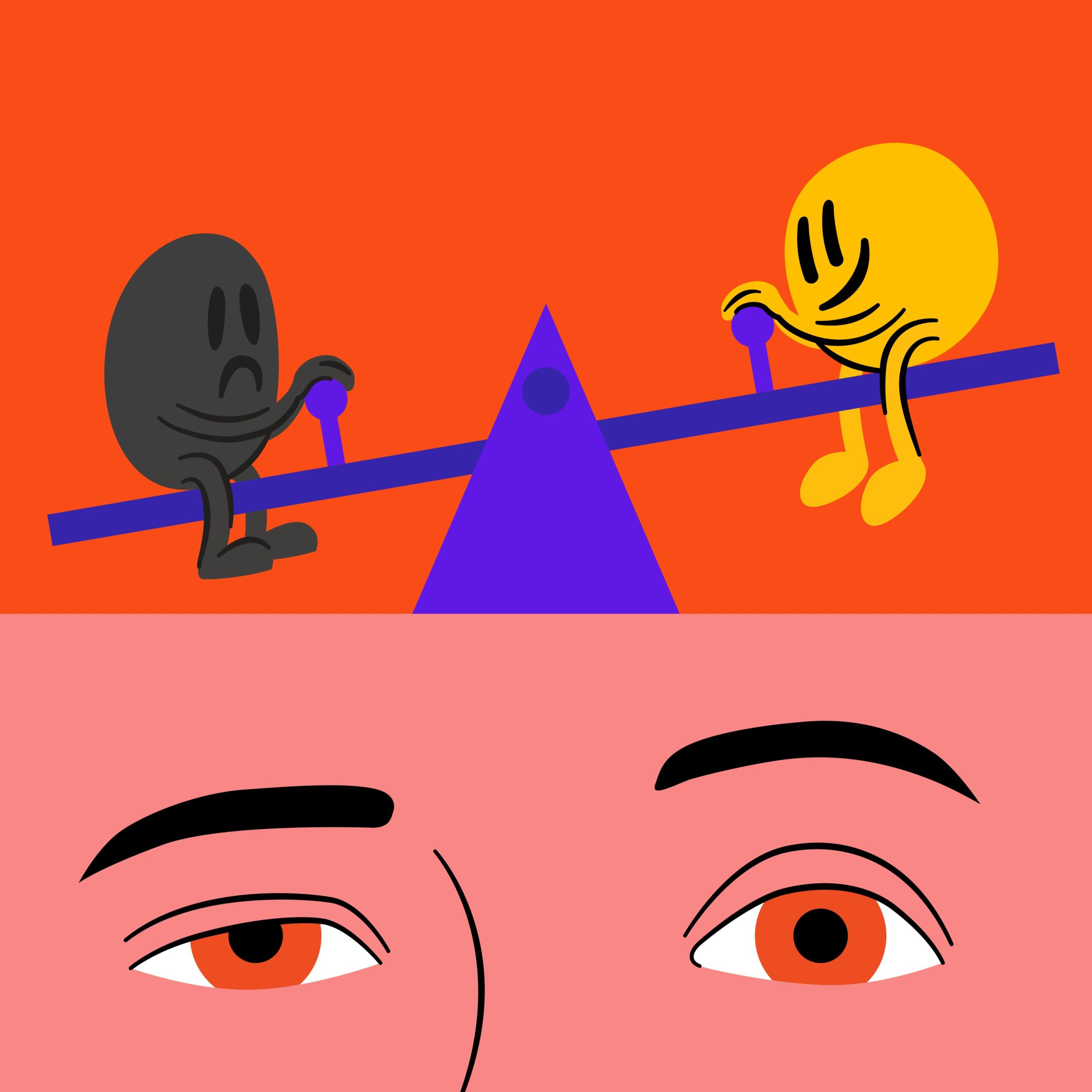
Speaker 1 We look at how we come to feel disengaged and burned out, even on topics we might care about, and how we can begin to retrieve our sense of efficacy and purpose.
Speaker 2 You're cut from a different cloth.
Speaker 2 And with Bank of America Private Bank, you have an entire team tailored to your needs with wealth and business strategies built for the biggest ambitions, like yours.
Speaker 5 Whatever Whatever your passion, unlock more powerful possibilities at privatebank.bankofamerica.com.
Speaker 4 What would you like the power to do?
Speaker 6 Bank of America, official bank of the FIFA World Cup 2026.
Speaker 5 Bank of America Private Bank is a division of Bank of America and a member FDIC and a wholly owned subsidiary of Bank of America Corporation.
Speaker 1 Support for Hidden Brain comes from Dell. It's time for Black Friday, Dell Technologies' biggest sale of the year.
Speaker 1 Enjoy huge savings on select PCs like the Dell 16 Plus, featuring Intel Core Ultra processors.
Speaker 1 Plus, earn Dell rewards and enjoy many other benefits like free shipping, price match guarantee and expert support. They also have huge deals on accessories that pair perfectly with your Dell PC.
Speaker 1 Shop now at dell.com slash deals.
Speaker 1 Support for HiddenBrain comes from AT ⁇ T. There's nothing better than feeling like someone has your back.
Speaker 1
That kind of reliability is rare, but AT ⁇ T is making it the norm with the AT ⁇ T guarantee. Staying connected matters.
Get connectivity you can depend on. That's the AT ⁇ T guarantee.
AT ⁇ T.
Speaker 1
Connecting changes everything. Terms and conditions apply.
Visit ATT.com slash guarantee for details.
Speaker 1
Many problems we face are easy to solve. A missing ingredient for a recipe, a burned-out light bulb, a parking ticket.
We make short work of these problems, briskly crossing them off our to-do lists.
Speaker 1 But modern life also seems full of issues that researchers call wicked problems. Challenges so huge, complicated, and intractable that they defy our attempts to solve them.
Speaker 1 When we come up against problems like these, we tend to respond differently.
Speaker 1 At California State Polytechnic University Humboldt, Sarah Jacket Ray studies how we respond to huge, overwhelming problems and how we can get better at dealing with them.
Speaker 1 Sarah Jacquet Ray, welcome to Hidden Brain.
Speaker 7 Thank you so much. So nice to be here, Shankar.
Speaker 1 Sarah, a lot of your work focuses on the way people respond to the threat of climate change. Many of your students care deeply about the environment.
Speaker 1 In the course of working with them, you've seen a lot of intense emotions. Can you describe what office hours were like, late-night emails from students?
Speaker 7 Yeah, so I would say about, you know, 15 years ago when I started teaching environmental studies, it was a little bit of a boutique subject and people would come in and get the information, how bad things are, figure out how they can do some fixing and carry on with their merry way.
Speaker 7 About 10 years ago though, something really seemed to have shifted in my students where they were coming in already pretty informed about how bad things were.
Speaker 7 And so they would come to my office hours to tell me, oh, that reading or that movie or that thing that you showed in class really pulled the rug out from underneath me in whatever particular way.
Speaker 7 It showed me that how complicit I am in the problem or how bad the future is going to look. And it got overwhelming for me.
Speaker 7 I couldn't contain it in my class or even in office hours.
Speaker 1 A few years ago, your students felt a powerful connection to a video that appeared on Facebook. I'm going to play a little audio clip from the video.
Speaker 1 It features a six-year-old boy who has seen a documentary about how human activity is harming animals.
Speaker 8 Why do you wish you were an adult, honey? I just want to do my job right now.
Speaker 8 Baby animals, oh my gosh.
Speaker 8 They eat the garbage, and I hate those people who made them do that.
Speaker 1 Can you describe what happens in this viral video, Sarah?
Speaker 7 Yeah, so this mom seems to be who's videotaping her son in the back seat in his car seat, and he's crying. He's really wailing.
Speaker 7 And he seems like he may have just learned in a class or somewhere else how much damage humans have done to the planet in the form of killing animals and trash,
Speaker 7 all kinds of things, paving forests over with cement. And he's really crying and devastated, having learned the extent and scope of human impact on the planet.
Speaker 7 And he wants very much to get out there and fix it and yell at those adults.
Speaker 1 Now, this video in some ways went viral, but I understand that on a Facebook page that you manage, some of your students have blamed your classes for similar meltdowns that they have had.
Speaker 1 And these are college students, not six-year-olds.
Speaker 7 Yeah, so it started going viral and everyone said, yeah, this feels just like my environmental studies classes. This is what you do to us, Sarah.
Speaker 7 And so it clarified for me that what was happening with the overwhelming information they were getting was that they were really melting down inside.
Speaker 7 They may not have been always melting down like that six-year-old in my classes or even in office hours, although it felt sometimes we were on the border of that.
Speaker 7 But it was really clear that that's how they were feeling inside.
Speaker 1 Some of the young people you've encountered, Sarah, feel an overwhelming sense of guilt about their role in spurring climate change and other problems. One was a young woman you call Maddie.
Speaker 1 How did she respond to what she was learning?
Speaker 7 Yeah, so this was actually before she had come to college and she had become very cognizant of all the problems and she was thinking about things like free trade and labor practices, climate change, the transportation of our products we consume, the life cycle of all the products we consume.
Speaker 7 And she was really deeply engaged in trying to become a more conscientious consumer.
Speaker 7 And so when she would go to the store with her family or on her own to just maybe get some deodorant or the essentials of life, much less food to eat, she would look at the product and think of all of the damage that this product has caused in the world.
Speaker 7 Every ounce of consumption is some sort of impact. You could calculate your ecological footprint by the stuff that you consume.
Speaker 7 And when, you know, young people are often getting this activity in their classes and environmental science classes in high school or such called the ecological footprint activity, where their teachers are asking them to calculate how many worlds would be required for them to keep up with their consumer lifestyles.
Speaker 7 And it causes young people to sort of tailspin in guilt and complicity and how much just their normal lives cost the earth.
Speaker 7 And she just couldn't bring herself to purchase the thing and participate in all of that harm.
Speaker 7 And so it went as far as making her think she would just erase herself and her body as a way of not having impact and of being more acceptable ethically on the planet.
Speaker 1 Some of Sarah's students said they didn't want to have children themselves. Every additional person was a burden on the planet.
Speaker 1 If humans were the cause of so much harm, did you really need more of them? Other students, Sarah says, fell into depression.
Speaker 7 Yeah, I actually call it eco-nihilism because I started to see not only my students not show up to class, they could go into pretty severe depressions where they weren't even leaving their rooms.
Speaker 7 And we hear a lot about young people's mental health crisis, but very few people who are talking about the mental health crisis of young people are saying maybe there's something to do with the climate crisis, maybe there's something to do with the feeling of huge amounts of uncertainty that they face in their adult lives, and they're not looking forward to their futures.
Speaker 7 So yeah, I think that there's about, there's that complicity factor, the guilt. I don't want to have an impact.
Speaker 7 I want to refrain from my negative impact on the planet and this kind of shame for being a human at all, that humanity is inherently just terrible for the planet and doing terrible things.
Speaker 7 And so, yeah, just wanting to not be around anymore is it seems like the logical result for a lot of these people.
Speaker 1
And it's not just college students. In 2018, a climate activist named David Buckle took this attitude to its most dramatic extreme.
What did he do, Sarah?
Speaker 7 Yeah, so he actually felt so terrible about the climate crisis, and he had been a lawyer for a long time doing litigation around oil companies and trying to fix climate change from the sort of legal perspective.
Speaker 7 And he had come across so many hurdles and so many walls that he became very, very despairing about the options and pathways for addressing the problem given our current system.
Speaker 7 With the tools that we have, we can't fix this problem, is I think what he ultimately concluded.
Speaker 7 And he set himself on fire and immolated himself, leaving a suicide note that said something to the effect of, I'm doing to myself what humanity is doing to the planet.
Speaker 7
I want to illustrate in my immolation, our dependence on fossil fuels is killing us. And Wynne Bruce also in 2022 did the same thing.
So we've had sort of multiple of these.
Speaker 7 And I definitely have had students and talked to many people whose children have done this, not immolated, but ended their lives because of how despairing they feel about climate change specifically.
Speaker 1 So you use a term called eco-suicide that I had not heard before. Is that actually a term that people are using to describe this kind of anguish?
Speaker 7 Yes, yeah. I mean, a climate suicide is, I think, the more common term for it.
Speaker 7 But yes, there's a sort of nihilistic, logical place to go when you realize that the problem is so big and so bad and you are so small to fix it, and you are also part of the problem.
Speaker 1 When we come back, we probe the psychology of despair and how to fight it.
Speaker 1 You're listening to Hidden Brain. I'm Shankar Vedanta.
Speaker 2 You're cut from a different cloth.
Speaker 2 And with Bank of America Private Bank, you have an entire team tailored to your needs with wealth and business strategies built for the biggest ambitions, like yours.
Speaker 5 Whatever your passion, unlock more powerful possibilities at privatebank.bankofamerica.com.
Speaker 4 What would you like the power to do? Bank of America, official bank of the FIFA World Cup 2026.
Speaker 5 Bank of America Private Bank is a division of Bank of America NA member FDIC and a wholly owned subsidiary of Bank of America Corporation.
Speaker 1 Support for HiddenBrain comes from Wealthfront. It's time your hard-earned money works harder for you.
Speaker 1 With WealthFront's cash account, earn a 3.5% APY on your uninvested cash from program banks with no minimum balance or account fees.
Speaker 1 Plus, you get free instant withdrawals to eligible accounts every day, so your money is always accessible when you need it. No matter your goals, Wealthfront gives you flexibility and security.
Speaker 1 Right now, open your first cash account with a $500 deposit and get a $50 bonus at wealthfront.com slash brain.
Speaker 1 Bonus terms and conditions apply. Cash account offered by Wealthfront Brokerage LLC, member FINRA, SIPC, NATA Bank.
Speaker 1 The annual percentage yield on deposits as of November 7, 2025 is representative, subject to change, and requires no minimum. Funds are swept to program banks where they earn the variable APY.
Speaker 1 This is Hidden Brain. I'm Shankar Vedantam.
Speaker 1 At Cal Poly Humboldt, Sarah Jaquette Ray researches how people deal with complex, large-scale problems.
Speaker 1 Over the years, she has seen many young people who have heard from an early age about the dangers of environmental destruction internalize the harms that humans have done to the planet.
Speaker 1 Sarah was initially focused on teaching students about the environment, but over time, she realized she was confronting a psychological problem whose effects go well beyond climate change.
Speaker 1 The emotions triggered in us by big challenges can themselves become an impediment to solving those challenges.
Speaker 1 Sarah, college students are not the only only ones who experience strong emotional responses to big, intractable problems.
Speaker 1 You were chatting some time ago with your 12-year-old daughter and talking about the problems confronting the world. How did the conversation go and what did your daughter tell you?
Speaker 7 Yeah, so we were on a walk and we were
Speaker 7 just having a regular conversation about the state of the world as you do with your 12-year-old.
Speaker 7 And she was just really
Speaker 7 dogging on humans. And it felt a little bit like she was parroting what she had heard elsewhere, or maybe in her classes, or what our friends were talking about.
Speaker 7 Like it was a cool thing to do to say, oh, humans suck, and humans are doing such terrible things.
Speaker 7 And I thought to myself, she was really absorbing that message from whatever places she was getting that message from, feeling despairing about how humans are hopeless, that there's nothing good humans can do to add to the world.
Speaker 7 And it made me concerned a little bit about the potential for her own nihilistic tendencies. Yeah.
Speaker 1 I'm hearing, you know, echoes of misanthropy and sort of self-loathing, and to hear that from a 12-year-old seems scary.
Speaker 7 Yeah, absolutely.
Speaker 7 When people's prefrontal cortexes are not developed and they can't figure out gray areas, they're in this black and white thinking mode, which is also really perpetuated by a lot of the media we consume and the ways ways that social media algorithms work.
Speaker 7 You know, we live in these black and whites, and I think it's really easy to slip into humanities is terrible. And a lot of environmental teaching also leans in that direction.
Speaker 7 Many of my students take classes where even the title is called Human Impacts on the Environment.
Speaker 7 National Science Foundation grants will give special grants for people to measure human impacts on the environment with no nuance around what that category of human even means or whether it's all bad or some bad, some good.
Speaker 7 The stories that we hear about what good humans can bring to the planet are very limited and rare.
Speaker 7 And so, there's a huge negativity bias out there on portraying stories about whether humans can do anything good or not.
Speaker 7 And mostly, for the most part, it's really easy to get pretty misanthropic about what the fate of the possibility of humans doing anything good.
Speaker 1 Some time ago, Sarah, you proposed an activity to your students asking them to visualize what the future held. What was this exercise and how did they respond?
Speaker 7 I asked them to cast themselves forward about 10 or 15 years and close their eyes and think about the sounds, the smells, the sights, all of the things that their body would perceive if they were in a world that they desired.
Speaker 7
The world that actually had come to manifest all the things that they hoped for. The things that they'd come to college to go fix about the world.
Imagine if it all came to pass.
Speaker 7 What would that world feel like, look like, smell like, and sound like?
Speaker 1 What was the purpose of the exercise, Sarah? What were you trying to do by having them imagine a world where their hopes and dreams came true? What was the purpose behind the exercise?
Speaker 7 There's all kinds of things that fear prevents us from doing. And I was trying to invite them into a different part of their brain, so to speak, around what they would desire about their futures.
Speaker 7 So then they could think about what would this be the steps to take take to get there? Or maybe even where does that already exist in my life and how can I nurture that and build on that?
Speaker 7 And what happened was
Speaker 7 I thought we were all going along just fine. And I was in this sort of Zen meditation mode, visualizing with them, their eyes all closed.
Speaker 7 And I asked them, okay, slowly open your eyes and come back and share what that world was like, you know, thinking it would be this utopic, cathartic experience for all of us.
Speaker 7 But they basically said there was, first of all, there was a lot of silence and crickets. And and then all of a sudden it was like, Sarah, we couldn't really visualize that future.
Speaker 7 We didn't have any imagination for what it could possibly be. Everything that came up in my mind was dystopic.
Speaker 1 So you say that hopelessness and despair can also be contagious. So hearing expressions of these emotions can induce induce similar feelings in others.
Speaker 1 And you tell the story of a student named Job who one day had an outburst in your class. Who was Job and what happened?
Speaker 7 Yeah, so we had been talking a lot about,
Speaker 7 okay, you all have come in, you're really idealistic. How are we going to move from idealism through all of these grief emotions, anxiety emotions, despair emotions about how bad things are?
Speaker 7 How do we really sit with how bad things are? And then move into something more like action or some kind of catharsis where we work together, collective efficacy.
Speaker 7 I had done all this research on what is the emotion that we need the most to do this work for the long haul.
Speaker 7 And collective efficacy turned out to be the kind of magic holy grail of the set of emotions. And I was trying to be really explicit about this in a class.
Speaker 7
And Job just sort of threw it all at the wall at some point and said, this is all pointless. Hope is pointless.
There is, you know, this is really bad.
Speaker 7 And nothing you can tell us, Sarah, and nothing we can do together is going to change anything.
Speaker 1 What was the effect of that outburst on the class, Sarah?
Speaker 7
It was deadening. Yeah, the students were absolutely dead quiet and really, really felt the despair and wondered if in fact that was true.
Yeah, is there no point? There's no hope.
Speaker 7 And one could argue that there really isn't.
Speaker 1 How did you yourself respond to this? I understand that you started to feel in some ways the despair that he was experiencing and feeling somewhat burned out yourself.
Speaker 7 Yeah, he was speaking my truth too.
Speaker 7
Yes, and I thought to myself, I can't lift this group up. I can't do this.
This is hopeless. I can't do what I've been put on this planet to do as a teacher.
Speaker 7 The problems really are the way he described.
Speaker 1
Like many people in the throes of despair, Sarah looked for quick ways to make herself feel better. Some of these things helped.
at least in the short term.
Speaker 7 You know, I'm human just like the rest of everybody, and when I put a phone in front of my face, it's a very addictive thing.
Speaker 7 I definitely have been known to buy a few things on Amazon after reading some terrible news because it's right there afterwards on Twitter, Facebook, or whatever.
Speaker 7 So there's a real built-in design to have us disavow or find comfort in other forms of consumerism, whether that's alcohol or marijuana or shopping or
Speaker 7
whatever it is. That kind of distraction is readily available to us in many ways, shapes, and forms.
And I'm definitely even still
Speaker 7 subject to that all the time. Yeah.
Speaker 1 So at one point, Sarah, you were talking with a colleague sitting at an old wooden picnic table about this feeling of being exhausted and burned out.
Speaker 1 Can you paint me a picture of this conversation and what came from it?
Speaker 7 So I was sitting at the picnic table with my colleague, Jen Ladino, and Jen said to me, why don't you turn all of the things that you're worrying about with your students into your research?
Speaker 7 That way you could try to help your students solve this problem better.
Speaker 7 It never dawned on me to think about the role of emotions in thinking about the environment. I had completely been going down a different path with my research.
Speaker 7 And so when she said that to me, I thought, well, first of all, that's fascinating. And secondly, it makes perfect sense.
Speaker 7 Emotions are the most important thing that we, that dictate all decision making.
Speaker 7 And also, maybe while I'm at it, it might be able to help serve my students and make me more equipped to handle them in the classroom so I don't get so burned out.
Speaker 1 So in some ways, what I'm hearing you say, Sarah, is that when it comes to confronting climate change, the turn that you made in some ways was not just to say we need to talk about climate change, but we need to talk about the feelings that climate change evokes in us because those feelings can determine whether we do something about it or do nothing about it.
Speaker 7 100%. 100%.
Speaker 7 I was thinking to myself, my students' despair is making them completely out of commission for the work we want them to do in the world.
Speaker 7 The work that they're going to find purpose in, that they might even find, gosh, maybe happiness in doing.
Speaker 7
And that's really a shame. I felt really sad for them and I thought, there's something else going on here.
It doesn't have to be like this.
Speaker 7 And I think psychology and neuroscience and social movements and people who have had despair in the past while they're trying to work on a massive cultural change probably have some wisdom to share about it.
Speaker 1 So as you started studying our emotional responses to big problems like climate change, you centered on several different ideas and one of them was our tendency towards what you call busyness.
Speaker 1 This is exemplified by the story of a young woman you call Gabby. Tell me her story, Sarah.
Speaker 7 Yeah, so Gabby got really hooked into a lot of different facets of activism in the community on campus, And she really felt like while she was working on the problem, everything was moving in the right direction.
Speaker 7 But it meant that she could never let herself stop working on the problem. She was super hyper-vigilant.
Speaker 7 The problem was so big and she was so small that she would solve her feeling of inefficacy by just working really, really hard.
Speaker 7 And there's that kind of common phrase I think a lot of activists feel, this kind of, if you're not angry, you're not paying attention.
Speaker 7 This hypervigilance that has to come along with becoming aware of how bad the problems are. And that's a pretty common trope.
Speaker 7 I mean, a lot of people go down that path until they realize something like climate change, unlike a bill getting passed, is an ongoing kind of long-term, many generations problem to solve.
Speaker 7 And if they're going to approach it like a sprint rather than a marathon, they will burn out really quick. And that's what happened to Gabby.
Speaker 1 But in some ways, what I'm hearing from Gabby's story is that any kind of pleasure or rest in some ways in her mind was, I am not serious enough about dealing with the concerns that I have about the world.
Speaker 7 Exactly.
Speaker 7 So, this kind of performance of being really engaged and really busy and almost to the point of kind of always displaying your bordering on burnout was a sign that you were as committed to the cause as you possibly could be.
Speaker 7 And Gabby was really determined to make sure that she was extracting every bit of energy out of herself to reverse all of the bad impacts that she had had on the planet.
Speaker 7 And I think that that pervasive complicity part that we were talking about before, that guilt part that we were talking about with Maddie before, that was driving this kind of feverish desire to undo all the harms that she was doing on the planet.
Speaker 1 You say at one point she was making amends for the debt she owed the planet, which of course was a bottomless pit of debt. So there was no end to what she owed.
Speaker 1 And you call this combination of shame, guilt, you know, perfectionism and anxiety the cocktail of doom, which is, I think, a very powerful way of putting what many of us feel on a daily basis.
Speaker 7 Yeah, so I think that when you have that guilt, you think to yourself, well, I have to make amends for that. I have to go make a more positive impact on the planet than I leave on the planet.
Speaker 7
And because for any one single individual, that is impossible. It's impossible to overturn all of the problems.
A single individual is not going to take all the carbon emissions out of the atmosphere.
Speaker 7 And that's that the hill to climb there is just way too big for any one person.
Speaker 7 But because of the way the environmental problems are often framed as up to us as individuals to solve, and we live in a very individualistic culture, then we think that it's up to us individually to solve and that we are solely responsible.
Speaker 7 We will
Speaker 7 sort of burn ourselves out trying to undo all the harm that we're doing on the planet.
Speaker 7 And there's not just a misanthropy there, but there's a real self-loathing that comes around with that too, that doesn't actually help us sustain the kind of stamina that is required to continue in the work.
Speaker 1 And I can see some people saying, not just, you know, I am not entitled to rest, I'm not entitled to pleasure, but also saying, you know, maybe this thing that I'm doing right now, even if it is for the cause or for something I care about, it is insufficient.
Speaker 1 And so, you know, you could ask yourself, you know, what's the point of sitting in a classroom? What's the point of getting a degree?
Speaker 1 You know, if the world is on fire, what am I doing studying for this exam?
Speaker 7
Exactly. Exactly.
So not only is every form of pleasure also probably tied to some kind of negative environmental impact, so there's that, but there's this kind of futility, right?
Speaker 7 And in fact, that is exactly what most people do when we talk about climate deniers or we talk about people who don't are unwilling to face it and how frustrated we can feel about people who don't want to face a problem.
Speaker 7 It is actually cognitively the most elegant solution to the dissonance that we experience, that many of us experience between how terrible the problem is and then the life that we live and how it's constantly making the problems worse.
Speaker 7 That cognitive dissonance makes it very difficult to really face into what we need to do to solve it and much easier to just say, I throw my hands up.
Speaker 1 So we've been talking about some of the responses that people have to huge intractable problems and how these responses can sometimes be, you know, counterproductive or self-sabotaging.
Speaker 1 But you say that it's a mistake to blame the people who have these reactions.
Speaker 1 In fact, these emotional responses might be the logical result of the way that problems have been presented to people that in some ways we have taught people to respond in the ways in which they're responding.
Speaker 7 There's no surprise at all that people feel this way and that they feel despairing about it. And I think it is a mistake to say that it's climate change that causes this stuff in people.
Speaker 7 We ought to also think about the way that they're getting that information, the kind of machinery of mediation that happens between the actual problem of climate change itself and the human being receiving that information.
Speaker 7
There is a whole machine happening there. There is the way that algorithms work on social media.
There's the ways that people get their information.
Speaker 7 There's the fact that we get more media now in the last 20 years than we've ever gotten from all corners of the globe. It's overwhelming, a fire hose of bad stuff.
Speaker 7 There's a negativity bias of the media, which has gotten worse over the last 20 years. In addition, we were also taught we're just individuals, right?
Speaker 7 So to go back to this point of individualism, oftentimes that feeling of despair comes from feeling I'm too small to fix this problem.
Speaker 7 Sue, and efficacy, this beautiful term that social psychologists use, is all about the negative feeling of not being able to solve a whole problem outweighing the positive feeling of being able to solve just a small part of it.
Speaker 7 And so this negative feeling of I can't fix the whole problem because I'm so small makes us not even want to solve a little part of it. That's an actual bias in the brain.
Speaker 7 So all of these kinds of things about how small we are, how we perceive ourselves to be powerless, how big the problem is and therefore we can't tackle it, how there's nobody else around who cares as much as us and so, you know, there's no point in ever doing it.
Speaker 7 Those are all things that are about the framing of the problem and the framing of our agency and those things can be challenged.
Speaker 1 I want to look at one of the most important pieces of media in framing the way we think about climate change. I want to play you a clip from Al Gore's 2006 film, An Inconvenient Truth.
Speaker 1 Our ability to live is what is at stake.
Speaker 1 So, Sarah, it's been a while since I watched this film, though sound effects really were something else.
Speaker 1 What was the approach adopted by this film, and what was the effect it had on people, including your students?
Speaker 7
Yeah, I'll never forget when that film came out. It was such a big deal.
And for years later, even today, my students will tell me that what got them to care about stuff is that film.
Speaker 7 I mean, it's still resonating. But the rhetorical strategy of that film was very much to create this litany of problems, this kind of overwhelm to shock people into caring.
Speaker 7 And really, Al Gore was saying, nobody's caring, nobody's caring, let's just give them more information.
Speaker 7 If they know more information and they have all the details of all the ways that it could cause disaster for everybody's lives, then maybe they'll do something about it.
Speaker 7 And I call that the scare-to-care technique, right? That is really what most environmental educators use.
Speaker 7 I mean, if we look at the brain and how fear activates people's reaction, Greta Tunberg famously said she wants people people to act like their house is on fire, so that triggering of the fear in the amygdala to respond to such a crisis, that's what Al Gore was trying to do.
Speaker 1 What's the problem with the approach?
Speaker 7 So there's certain types of people for whom the fear technique really will shake them into that reality.
Speaker 7 But what was happening, at least in my classes, which is where I was really thinking about, people are already coming in pretty scared.
Speaker 7 They're already coming in feeling really overwhelmed and powerless.
Speaker 7 And so if I just give them more and more data about how bad things are, the effect is actually to amplify that inefficacy that they're feeling.
Speaker 7 Because I'm just presenting the problem as too big for them to solve.
Speaker 1 Because of course, what's happening here is not just that you're telling them that the problem is very big, but that they're reminded at every step of the way that in fact the problem is too big for them, that they can't do anything about it.
Speaker 1 So you're telling them it's a terrible problem and you're helpless to solve it.
Speaker 7 Right. And we think that we're getting people more,
Speaker 7 paying attention more if we present the problem as really, really big, that'll get their attention and maybe they'll finally stop doing what they're doing but in fact the scale of the problem being so big is what causes inefficacy which then turns into less action
Speaker 1 for some people sarah says scare tactics don't produce apathy but what she calls a martyrdom complex
Speaker 7 That comes from that guilt thing, right? That I'm in eternal debt to the planet and to the world. I'm such a bad person.
Speaker 7 I've benefited so much from exploitation and extraction and violence, you know, the sort of idea that my presence on the planet is on the backs of so much suffering and so much bad stuff.
Speaker 7 And so the only logical place I can go for that is to martyr myself, right? To sacrifice everything I have, to sacrifice my time, my energy, my well-being, especially.
Speaker 7 And that if I'm not actually doing that, that
Speaker 7 I'm not contributing enough yeah and so I call that a kind of martyrdom and I think it's really seductive especially for young people who are just learning about how their privileges have landed them where they are
Speaker 1 over time Sarah came to see that there was one emotion she needed to induce in her students It wasn't despair and it wasn't blind hope that things would magically get better.
Speaker 7 What the research is showing us is that the feeling of being in a collective is really an essential part of doing this.
Speaker 7 We have that famous quote from Bill McKibben when he's asked, what's the one thing I can do to solve this problem? What's one thing? And he says, stop being just I, stop just being you.
Speaker 7 Start to see yourself in this broader collective. Start to plug into a collective because a collective actually has kind of the effects that are the sum is greater than the parts.
Speaker 7 And I use the metaphor of the choir, right?
Speaker 7 When you're in a choir and you hear lots of people singing and you need to catch your breath or maybe you have a little frog in your throat or something, you can take a moment out and kind of settle your body again, get your voice back, knowing that the rest of the choir is carrying that song.
Speaker 7 Whereas if you feel like you're the only one singing, there's no space for that, right? And so you just keep singing and you just sing through the suffering of it.
Speaker 7 And this need for kind of recovery and recuperating and making sure you're resourced so that you can keep getting up in the morning and doing the work you're trying to do, much less go to class and do your homework and, you know, have a thriving life is something that I think a lot of people are starting to come around to.
Speaker 7 But I would also say that there's something else to it as well, which is that if they don't actually live the life that they're trying to preserve, then they've already kind of lost the battle.
Speaker 7 And what I mean by that is, you know, this visualization activity where you're imagining this future where everything's great, there are ways that we can live in that way now.
Speaker 7
What are the great things about that future? Well, maybe we feel rested. Maybe we feel joyful.
Maybe we're listening to music. Maybe we're dancing.
Maybe we're eating good food, right?
Speaker 7 These sort of like the qualities of life that we want to save the planet to preserve for ourselves are things that we can have now.
Speaker 7 And to surrender them now with the thought that you can have them later after you've achieved utopia is a way of surrendering it unnecessarily early.
Speaker 7 So I'd say for most people, that awareness that you're part of a collective, that there's a choir there, is part of it, but also seeking that out and plugging into collective community.
Speaker 7 There's some really interesting research that shows that action towards climate change, in fact, doesn't address climate anxiety. It doesn't alleviate our sense of despair about climate change.
Speaker 7
That action in a collective is the essential thing. And so there's a sort of misnomer that happens.
There's a misunderstanding that if we do some actions, we'll feel better.
Speaker 7 But in fact, it's the collective part that makes us feel better and less so the action itself.
Speaker 7 And so, the collective makes us feel efficacious. The collective has that social contagion factor of hope, and joy, and pleasure.
Speaker 7
Our brains are designed, we're social creatures. So, to do all that stuff, it addresses so many of the other problems that we have.
We know from the U.S.
Speaker 7 Surgeon General we have this loneliness epidemic, and it's really bad for young people.
Speaker 7 And so, what I like to say is that addressing individualism is the core for both our mental health and it's also what the planet needs from us. So, that's where collective efficacy comes from.
Speaker 1 Modern life is full of problems that seem too big for any of us to solve.
Speaker 1 What can we do? We start to ask. The problem is so big, and I am so small.
Speaker 1
When we come back, how to make our problems smaller and ourselves bigger. You're listening to Hidden Brain.
I'm Shankar Vedanta.
Speaker 1 Support for hidden brain comes from Viz. Struggling to see up close? Make it visible with Viz.
Speaker 1 Viz is a once-daily prescription eye drop to treat blurry near vision for up to 10 hours.
Speaker 1 The most common side effects that may be experienced while using Viz include eye irritation, temporary dim or dark vision, headaches, and eye redness.
Speaker 1 Talk to an eye doctor to learn if Viz is right for you. Learn more at viz.com
Speaker 1 Support for Hidden Brain comes from Masterclass. Looking to grow, learn or simply get inspired? With Masterclass, anyone can learn from the best to become their best.
Speaker 1 For as low as $10 a month, get unlimited access to over 200 classes taught by world-class business leaders, writers, chefs, and more. Each lesson fits easily into your schedule.
Speaker 1 Watch anytime on your phone, laptop, or TV, or switch to audio mode to learn on the go. 88% of members say Masterclass has made a positive difference in their lives.
Speaker 1 Masterclass, where the world's best, teach you how to be your best. Masterclass always has great offers during the holidays, sometimes up to as much as 50% off.
Speaker 1
Head over to masterclass.com/slash brain for the current offer. That's up to 50% off at masterclass.com/slash slash brain.
Masterclass.com slash brain.
Speaker 1 This is Hidden Brain. I'm Shankar Vedanta.
Speaker 1 Sarah Jacket Ray has spent many years studying our emotional responses to big, intractable problems like climate change.
Speaker 1 Over time, she started to realize that our emotional responses to such problems can be part of the solution or part of the problem.
Speaker 1 Sarah is the author of A Field Guide to Climate Anxiety, How to Keep Your Cool on a Warming Planet.
Speaker 1 Sarah, can you tell me the story of Chris Jordan? He was a photographer who made multiple trips to the Pacific Ocean to take pictures of birds who were dying from plastic waste that they had ingested.
Speaker 7 Chris Jordan is an artist and he was making a film trying to document the destruction of all all the deaths of albatross birds on the Midway Atoll. And he made a film about it called Midway.
Speaker 7 And he would go out there and check out the stomachs of these birds and these dead birds all over the atoll,
Speaker 7 peel them open and take pictures of their bared stomachs with all of this plastic in it.
Speaker 7 And just from looking at a picture of one of these albatross, you can tell that this albatross died of ingesting all these small plastics.
Speaker 7 As he describes it, he's looking at these stomachs of the albatross is like looking at the mirror of what humanity has done to nature or what our relationship, our fraught relationship with nature is.
Speaker 7
He went eight times and he finally made the film of it. The first couple of times he went, and the way that he felt about it was just sheer horror.
He was crying over these albatross bodies.
Speaker 7
He felt this incredible sense of despair. He had never even seen an albatross before.
Very few people ever get to go to Midway.
Speaker 7 And here was evidence of great human impact happening far, far away from anybody's, any human life at all in the first place.
Speaker 7 And he felt that if humans could impact the world in such a massive way that where they're not even ever showing up or any presence of human activity, this was really a bad state.
Speaker 1 So Chris Jordan's story doesn't end with him making these photographs and feeling depressed. He writes about how he goes back over time,
Speaker 1
over and over again, to visit these birds. And over time, his emotions start to change.
How did they change, Sarah?
Speaker 7 Yeah, so in the beginning, his primary emotion that kind of eclipsed all the other possibilities was this grief and horror.
Speaker 7 And then over time, he started to realize the beauty of the albatross and the beauty of the place and the beauty of these birds. And he came to love the birds.
Speaker 7 So he started to have a better sense of how you can have terrible emotions like horror and grief alongside other kinds of emotions that seem like they can't happen at the same time, like beauty, and joy and love.
Speaker 7 And so, recognizing the both andness of being able to have deeply experienced grief and horror and despair about what's happening came right alongside these other emotions, like love and beauty, and allowed him to access a different set of emotions that was much more sophisticated, and that he argues is much more
Speaker 7 supportive of the kind of long-term work that we need to be doing to protect the planet.
Speaker 1 Chris Jordan writes, It wasn't until several trips in that I began to really experience the beauty of these birds as kind of the antidote to the horror.
Speaker 1 That's been the shape of the journey for me as I slowly found my way to love these creatures and that's really what my film is about more than anything.
Speaker 1 Just how amazing and beautiful and magnificent they are. I think the Laysen albatross is a spiritual being.
Speaker 1
They are amazing beings and the fact that they have plastic in their stomachs is just a stupid thing. It's not the main event.
When I first started, the horror was the main event.
Speaker 1 Now the horror is just something to deal with amidst the enormous beauty and grace and magnificence of these creatures.
Speaker 7 Yes, exactly.
Speaker 7 And I do think that there's something here that is more sophisticated, what I call in my book climate wisdom, more sophisticated than the binary emotional language that we have in most dominant American culture, which is either you're feeling really positive feelings or you're feeling really negative feelings or comfortable or uncomfortable, however you want to call them.
Speaker 7 And you can't have this complexity of both and at any particular moment.
Speaker 7 And I think what it really calls us to do is to open up the possibility of this much broader complexity that the climate crisis is not just this doom and gloom despair thing.
Speaker 7 The reason why we have fear, the reason that motivates us to act like our house is on fire, is because there's something that we really love that is under threat. And the love is what
Speaker 7 we can really tap to sustain long-term work.
Speaker 7 It's not that the grief or the despair or the fear go away, but that they can open a door to helping us tap this much more enriching, resourcing set of emotions as well.
Speaker 1 I'm struck by the fact that so many of the debates that we have in public settings often involve talking in binaries.
Speaker 1 So some people say we should simply celebrate everything that humans have done because we're an amazing species and we have developed science and technology.
Speaker 1 And look at the number of people we've lifted out of poverty and the number of people we can feed today who we didn't think we could feed 50 years ago. And this is a story of success and pride.
Speaker 1 And other people say, no, look at the destruction that humans have done to the planet and it's irreversible and we're just a terrible species.
Speaker 1 And what I'm hearing you say in some ways is that both those stories at some level are true.
Speaker 7
Absolutely. I love that description.
And I think that's where climate discourse, climate storytelling, and our psychology really come together.
Speaker 7 The story that the planet wants us to live in is one where we have efficacy and we can, in fact, fix this problem.
Speaker 7 And in fact, the problem is fixable in the time that we are here on the planet. And so there's a sense of living in a story or choosing a story that activates the most energy from us.
Speaker 7
Because all those stories are true. It's true that things are worse.
It's true that things are better. It is absolutely both and.
Speaker 1 You say it's important to intentionally cultivate positive emotions as a way to constructively address big problems. How so, Sarah?
Speaker 7 Yeah, so I'm thinking here about the insight that many neuroscientists will tell you, which is that the brain is a pleasure-seeking machine.
Speaker 7 And so much environmental work and so much environmental knowledge, if you open up the door into that stuff, it doesn't feel very pleasurable. There is requests for us to sacrifice.
Speaker 7 there's requests for us to deny our pleasure, there's requests for us to give up things, right? Renounce our attachment to fossil fuels, renounce things.
Speaker 7 And so most people don't want to sign up for those kinds of unpleasurable things, those self-denial feelings.
Speaker 7 And I think one of the things that ought to really happen around environmental and climate work is a reframing around all the things that we could gain, all the pleasures we could gain.
Speaker 7 Started using the way our brains are
Speaker 7 naturally designed to leverage better climate action around the pleasures we'll have, the things that we'll gain, rather than the things that we'll sacrifice.
Speaker 7 Some people think about this in terms of thinking about environmentalism as a kind of abundance thing rather than a sacrifice or a scarcity thing. And I think that they're really on to something.
Speaker 1 I understand that you yourself have taken up gardening recently in ways that you had not before.
Speaker 7 Yeah, I often think about the kinds of things that you can do on an individual scale, even things like resting and recuperating, all just being sort of irrelevant.
Speaker 7 I mean, I was a product of that same kind of martyrdom mythology that we were talking about earlier.
Speaker 7 And I think that One of the things that's come out of all this research is that I need to make sure there's pleasure in my life.
Speaker 7 I need to make sure I'm feeding the stuff that's in my life that I love, that I'm worried climate change is going to change.
Speaker 7 So if I am make sure that those things are growing, those things are thriving, that is one way way to make the problem smaller as well, right?
Speaker 7 If the things that I love, I'm nurturing and I'm making those things bigger and bigger like a garden metaphor, right?
Speaker 7 I'm planting, I'm putting fertilizer, I'm putting the sunlight on the stuff that I love.
Speaker 7 That is another way to make them resilient to the threats that are going to come around the corner, if not already here.
Speaker 7 And so even, so there's the sort of metaphor of gardening that I love there, but there's also the actual gardening, right? I want to have a relationship with the more than human world.
Speaker 7
I want to care about it. I want to tend to it.
I want to recognize and see and appreciate my relationships with other stuff that's outside of me and my phone.
Speaker 7 And so there's a sense of this is a way of trying to get into a little bit more of the right relationship in my daily life, in the way I walk around in the world.
Speaker 7 I say in my classes, we have to save the environment.
Speaker 7 Well, what's one first step I can take? I can look to the environment that's right in my backyard and I can do something to nurture it.
Speaker 1 So when we think of really big problems, you know, climate change or war or genocide or a pandemic, we often feel helpless because we say, the problem is so big, I'm so small.
Speaker 1 One of the things that you have recommended is that we start to take more pleasure, but also pride, in the small things that we can do.
Speaker 1 Can you talk about that idea that in some ways we don't have to solve the entire problem to feel like we're we're making a difference?
Speaker 7
Yeah, so there's a couple of things at work here. First of all, we are just one person.
And also, we are part of many collectives and many communities. That's always true, both at the same time.
Speaker 7 And so this notion that all of our actions of our life, no matter how hard we work, are going to amount to nothing, really does change the goalpost to something that's impossible anyway.
Speaker 7 And so what I'm suggesting there is that the small actions that we can do are really all we can do anyway.
Speaker 7 Even if you had all the power on the planet, you could make very little difference in the climate crisis.
Speaker 7 And so we really have to figure out what is our motivation for doing these kinds of actions that isn't based on knowing that our actions are going to make the difference we want to see in the world.
Speaker 7 We have to find some non-instrumentalist approach to why it is that we're doing those actions. And I think that gives us permission to do things.
Speaker 7 things that are small, not because we think that they will add up to anything big, but because they themselves inherently are adding something positive into the world and that is a good enough reason to do it in and of itself.
Speaker 7 The binary thinking that goes into either we're going to have an apocalypse or we're going to have a utopia means that we don't really think that we can do anything unless it's going to give us the utopia.
Speaker 1 Sarah says it's easy to see hubris in human actions that damage the planet. But she says people fighting to save save the planet can suffer from hubris too.
Speaker 7 Yes, there's this kind of Western American, you know, consumer culture that sort of makes us think that everything is all about us,
Speaker 7 right? This personalizing everything, aggrandizing our ego.
Speaker 7 And I think that there's some sort of beautiful invitation in seeing yourself in a collective that is also about saying, I don't actually matter that much, right?
Speaker 7 This sort of a counterintuitive, instead of saying, oh, I'm going to show up in the world and make this big, huge positive impact, this kind of surrendering of the ego, the surrendering that you can be the savior that saves everything.
Speaker 7 actually gives you permission to not be terribly effective all the time, gives you permission to find pleasure in the work, gives you permission to rest if you need to, to know and recognize that you are certainly just a small creature in this big, wide ocean of other people doing this kind of work who are collectively very important.
Speaker 7 If we attach too much to our achieving in our lifetime that which we think we should do to save the planet, we will always, always, always feel like we're falling short, and that can be very undermining.
Speaker 7 In addition, I think that this also invites us to tap into much more kind of humble, grounded, long-term engagement
Speaker 7 rather than this kind of, I need to be the savior, and if I'm not the savior, then I give up.
Speaker 1 That's Sarah Jacket Ray of Cal Poly Humboldt.
Speaker 1 After the break, another perspective on how to regain our footing when the world feels like too much.
Speaker 1 You're listening to Hidden Brain. I'm Shankar Vedanta.
Speaker 1 Support for Hidden Brain comes from Superhuman. The world is buzzing with AI tools, but instead of making things easier, they've made your workflow overwhelming.
Speaker 1 You're stuck copying and pasting, context switching, and juggling too many apps. There's now a better way that outsmarts the work chaos.
Speaker 1 Meet Superhuman, the AI productivity suite that gives you superpowers everywhere you work.
Speaker 1 With Grammarly, Mail, and Coda working together, you get proactive help across your workflow, from writing to preparing for meetings, presentations, and so much more.
Speaker 1 Superhuman knows what you might need and offers suggestions whether you're drafting emails, creating documents, or more.
Speaker 1
There are even specialized agents designed to collaborate seamlessly and amplify your impact. Unleash your superhuman potential today.
Learn more at superhuman.com/slash podcast.
Speaker 1 That's superhuman.com/slash podcast.
Speaker 9 What can 160 years of experience teach you about the future?
Speaker 9 When it comes to protecting what matters, Pacific Life provides life insurance, retirement income, and employee benefits for people and businesses building a more confident tomorrow.
Speaker 9 Strategies rooted in strength and backed by experience. Ask a financial professional how Pacific Life can help you today.
Speaker 9 Pacific Life Insurance Company, Omaha, Nebraska, and in New York, Pacific Life and Annuity, Phoenix, Arizona.
Speaker 1 This is Hidden Brain. I'm Shankar Vedanta.
Speaker 1 Often when I'm feeling down, I turn to the work of writers I love.
Speaker 1 I find comfort in favorite poems and wisdom in thinkers who grapple with problems hundreds or even thousands of years ago.
Speaker 1 Today, as a compliment to our conversation with Sarah Jacket Ray, we wanted to hear a writer's perspective on how to confront feelings of despair and futility.
Speaker 1 Pico Eyre brings us this audio essay about a source of refuge he has turned to in difficult moments of his life.
Speaker 3 One day, some years ago, I looked around the small temporary apartment I was sharing with my mother and saw no cause for hope.
Speaker 3 A wildfire had burnt our house to the ground and reduced every last thing inside it to ash.
Speaker 3 Every photo, every memento and childhood keepsake, all the handwritten notes that were the basis for my next three books, everything was gone.
Speaker 3 I needed to look after my mother as her only child, but I also needed to support my Japanese girlfriend and her two small children across the sea.
Speaker 3 I couldn't work out how to be in two places at the same time.
Speaker 3 A friend suggested I go to a Benedictine retreat house four hours up the California coast.
Speaker 3 If nothing else, he said I'd have my own desk there and a private walled garden with dazzling ocean views, all for just $30 a night.
Speaker 3 What more did I have to lose, I thought. My future had disappeared overnight, and so had my past.
Speaker 3 On the long drive up, as ever, I heard myself fretting over deadlines, worried about leaving my mother behind, carrying on an argument with a faraway friend.
Speaker 3 Then I turned onto a one-lane road that snaked up to the top of a mountain.
Speaker 3 I got out of my car 1,200 feet above the Pacific Ocean and stepped into a simple cell.
Speaker 3 Suddenly, in ways I couldn't explain, all the debates and anxieties that had been slicing me up 15 minutes earlier fell away.
Speaker 3 The sun burned on the water far below.
Speaker 3 A rabbit was standing on the splintered fence in my garden.
Speaker 3 I stepped outside and was welcomed by a vast expanse of brush and blue for as far as I could see.
Speaker 3 I came inside again and began scribbling at the desk recording everything around me. When I stood up, I had covered three pages, though barely 20 minutes had passed.
Speaker 3 I walked into the communal kitchen and brought back an apple and some salad. I sat in a rocking chair, munching, and then hours later, after darkness fell, I walked out into a great tumble of stars.
Speaker 3 Although I was alone in my silent cell, I didn't feel alone. The people I loved felt closer to me than when they were in the same room.
Speaker 3 I took a long walk at daybreak along the monastery road, past benches here and there looking out to sea,
Speaker 3 and a smile from a stranger went through me as no sentence ever could.
Speaker 3 Often I just sat in a chair and did what is usually hardest for me, nothing at all.
Speaker 3 The monks who opened their doors, even to non-Christians like myself, made no demands on any visitor.
Speaker 3 They were ready to offer counsel if needed, but otherwise they were just working around the clock to ensure that all of us felt at home.
Speaker 3 When I stepped into the monastery bookstore on my second day, an elderly brother asked how I was doing. I love it, I said.
Speaker 3 He looked relieved. Clearly, silence wasn't always a blessing.
Speaker 3 Of course, it was liberation to be away from every distraction, but mostly I felt liberated from little Pico and all his chatter.
Speaker 3 I was freed of my social self and back in a silent self where I had no need of words or ideas. A lens cap had come off and now I could be filled by the world in all its wild immediacy.
Speaker 3 In the days that followed, I simply read books or wrote letters to friends. I took the same walk again and again.
Speaker 3 Every morning, when I awoke, I had no designs upon the day. I let the moment decide whether I'd pick up a postcard or just look out to see.
Speaker 3 Over the next few months and years, I started going back. For two weeks, for three weeks, sometimes when the 15 retreat rooms were full, staying with the monks in their enclosure.
Speaker 3 Occasionally, I went there when I was jet lagged, and even the silence couldn't help me then.
Speaker 3 Sometimes I arrived just as the radiance of the Big Sur coastline was shattered by torrential storms.
Speaker 3 All night, I sat in my little trailer on the hill, unable to see another light or sign of human habitation. The wilderness felt merciless and terrifying.
Speaker 3 But even when doubts or shadows arose, I realized I'd much rather confront them in this quiet sanctuary than when I was caught up in rush hour traffic or the cacophony of cable news.
Speaker 3 When my father was suddenly raced into the hospital, the only thing I could think to do was drive four hours one morning just to sit on a bench along the monastery road for two hours and then drive the four hours back.
Speaker 3 Isn't it selfish to leave your loved ones behind so you can go and restore yourself? a kind friend asked me.
Speaker 3 Not if it's the only way I can learn to be a little less selfish, was my reply.
Speaker 3 When my daughter, at thirteen, was diagnosed with stage three cancer, I knew that sitting in silence above the blue-green waters for three days was the best way I could find the clarity and calm I would need as soon as I stepped back into her hospital ward.
Speaker 3 I couldn't make Sachi's sickness go away, but I could try to protect her from my own useless worries and resentments.
Speaker 3 Spending time in silence put a frame around my agitated thoughts and disclosed something real that stretched beyond and behind them.
Speaker 3 To come upon a place that exists outside the realm of constant change makes change a little bit less scary.
Speaker 3 In all my seven decades, I've never seen so many, so close to despair, as they are right now.
Speaker 3
Our world is fractured. Wars are breaking out on every side.
Wildfires, like the one that rewrote my life tear through every hill.
Speaker 3 In those circumstances, that simple journey into silence allows me to step out of the moment and into something more expansive.
Speaker 3 Not everyone I know can afford to go on retreat, but some liberation is always at hand if only you can sit quietly away from your devices, seek out a temple or church, just take a walk.
Speaker 3 Years ago, the Trappist monk Thomas Merton observed: When your mind is silent, then the forest suddenly becomes magnificently real.
Speaker 3 It's hard to get tired of the birdsong above the wooden shed, or the sun rising above that distant hill.
Speaker 3 So often it's my mind that makes my problems.
Speaker 3 It cuts the world up into you and me and complicates the simple.
Speaker 3 After more than a hundred trips into wide awake silence, I give thanks every time I come back to a reality far bigger than myself.
Speaker 1
Writer Pico Ayer. He has a new book about monasteries and the role they play in a secular age.
It's called A Flame, Learning from Silence.
Speaker 1 Hidden Brain is produced by Hidden Brain Media. Our audio production team includes Annie Murphy-Paul, Kristen Wong, Laura Correll, Ryan Katz, Audem Barnes, Andrew Chadwick, and Nick Woodbury.
Speaker 1 Tara Boyle is our executive producer. I'm Hidden Brain's executive editor.
Speaker 1 If you have follow-up questions for Sarah Jacquette Ray about how to persist in the face of daunting challenges and you're comfortable sharing your question with a Hidden Brain audience, please record a voice memo on your phone and and email it to us at ideas at hiddenbrain.org.
Speaker 1 Use the subject line staying engaged. That email address again is ideas at hiddenbrain.org.
Speaker 1 If you enjoyed today's episode, please consider joining our podcast subscription, Hidden Brain Plus. We're extending our standard seven-day trial period for subscribers on Apple podcasts.
Speaker 1 Sign up in January and you'll receive 30 free days to try it out. You can sample Hidden Brain Plus by going to apple.co/slash hidden brain and clicking try free.
Speaker 1 Again, go to apple.co/slash hidden brain and click try free.
Speaker 1 I'm Shankar Vedantam. See you soon.
Speaker 1
I know every operating system like the back of the camera. In my current role, I'm going to come to the bank.
I've got five years of experience and have worked with several people from your company.
Speaker 1 I've been recognized for my passion. My team is everything.
Speaker 6 LinkedIn delivers candidates who rise above the rest with an up-to-date view into shared connections, skills, and interests you won't find anywhere else.
Speaker 6
See why 86% of small businesses who post a job on LinkedIn get a qualified candidate within a day. Post a job for free at linkedin.com/slash Pandora.
LinkedIn, your next great hire is here.
Speaker 10
October brings it all: Halloween parties, tailgates, crisp fall nights. At Total Wine and More, you'll find just what you need for them all.
Mixing up something spooky?
Speaker 10 Total Wine and More is your cocktail central for all your Halloween concoctions.
Speaker 10 With the lowest prices for over 30 years, you'll always find what you love and love what you find only at Total Wine and More. Curbside pickup and delivery available in most areas.
Speaker 10
See Totalwine.com for details. Spirits not sold in Virginia and North Carolina.
Drink responsibly. Be 21.
Speaker 8 Parents, when you visit California, childhood rules. If you don't remember how awesome childhood is, just ask yourself, what would kids do? Dance to a giant organ played by ocean waves? Yep.
Speaker 8
Camp in floating tree houses hundreds of feet off the ground? Check. Jump in a big tub of mud on purpose? Call it rejuvenation.
We don't care.
Speaker 8 Just pack your fun pants and let childhood rule your family vacation. Discover why California is the ultimate playground at visitcalifornia.com.