Joe and Mika Do the Trump Dance
Press play and read along
Transcript
Speaker 1
October brings it all. Halloween parties, tailgates, crisp fall nights.
At Total Wine and Moore, you'll find just what you need for them all. Mixing up something spooky?
Speaker 1 Total Wine and More is your cocktail central for all your Halloween concoctions.
Speaker 1 With the lowest prices for over 30 years, you'll always find what you love and love what you find only at Total Wine and Moore. Curbside pickup and delivery available in most areas.
Speaker 1
See TotalWine.com for details. Spirits not sold in Virginia and North Carolina.
Drink responsibly. B21.
Speaker 3 Hey, Ryan Reynolds here, wishing you a very happy half-off holiday because right now, Mint Mobile is offering you the gift of 50% off unlimited.
Speaker 4 To be clear, that's half price, not half the service.
Speaker 3 Mint is still premium, unlimited wireless for a great price.
Speaker 5 So that means a half day.
Speaker 3 Yeah? Give it a try at mintmobile.com/slash switch.
Speaker 6
Upfront payment of $45 for a three-month plan, equivalent to $15 per month required. New customer offer for first three months only.
Speeds low under 55 gigabytes, the network's busy.
Speaker 5 Taxes and fees extra.
Speaker 4 See Mintmobile.com. mobile.com.
Speaker 4 Welcome to Pod Save America. I'm John Favreau.
Speaker 7 I'm John Levitt. I'm Tommy Vitor.
Speaker 4 On today's show, Democrats prepare a new strategy to fight Trump and get ready to pick a new party leader.
Speaker 4 Joe and Mika kiss the ring at Mar-a-Lago while the new MAGA click sits ringside at a UFC fight.
Speaker 4 Then NBC News' Brandy Zadrozny, one of the best source reporters on the RFK beat, talks to Tommy about what we know about RFK's plans for the medical care you get and the food you eat.
Speaker 3 It's funny that they're the best source.
Speaker 7 It's like, she's talked to the worm.
Speaker 4 The worm.
Speaker 4 The whale. Yeah,
Speaker 4 and the
Speaker 4 what was the other thing? The bear. The source close to the worm.
Speaker 7 RFK Jr. is a source close to the worm.
Speaker 3 Brandy and I talked, she's also such a, she's an expert in online disinformation and misinformation, too.
Speaker 3 And we also talked a lot about the wellness space and how people who consume wellness content inevitably get to a lot of the things RFK Jr.
Speaker 3 is focused on, not just vaccines and, you know, misinformation he pushes around vaccines, but also the broader sort of Make America Healthy again agenda, which includes food safety, et cetera, which I think is why he's very attractive to a lot of people.
Speaker 4 People like West Coast moms and Jared Polis.
Speaker 7
I'm on the wellness algorithm road. So it's only, you know, right now it's vitamin C in the morning, but we'll see where it gets me.
I'm not sure.
Speaker 4 RK Jr., very anti-Ozempic. Did you see that? Oh, well.
Speaker 7
Okay. Yeah.
Or my cold, dead hands.
Speaker 7 Four years from now, I don't know what the future holds for this country, but I'll have Banjaro in one hand and Diet Coke in the other.
Speaker 7 You'll have to take it from me by force.
Speaker 3 We will also talk about how, like, there's some parts of what RRK wants to do that who disagree with healthier foods or getting pesticides out of the environment, et cetera.
Speaker 3 But how is that going to work with the broader Trump deregulation agenda?
Speaker 4 Well, yeah, because
Speaker 7 the people that used to disagree with it were all the fucking Republicans.
Speaker 4 Exactly.
Speaker 4
All right. Well, stick around for that interview.
But first, I regret to inform you that the news about Trump's cabinet picks has not gotten any better.
Speaker 4 Let's start with his nominee for Attorney General, Matt Gates, who resigned his seat in Congress just before the bipartisan House Ethics Committee could release a report about his alleged illicit drug use and sex with underage women?
Speaker 4 A lawyer for two adult women who already testified before the committee said that Gates paid them for sex and that one of them witnessed Gates having sex with a third woman, who was then 17 years old, at a House party in Florida.
Speaker 4 Democratic and Republican senators have said they want to see the committee's report before voting to confirm Gates, though Speaker Mike Johnson says it shouldn't be released, and apparently the ethics committee will meet on Wednesday to decide.
Speaker 4 It seems unlikely to me that Gates gets confirmed without at least the Senate, if not the public, viewing this report. But what do you guys think?
Speaker 7 So John Cornyn was asked about this, and he said to reporters that the truth is that the information is going to come out one way or another.
Speaker 7 He also said, I think in order to do our job, we need to get access to the information, also to protect the president against any surprises that might damage his administration.
Speaker 7 So John Cornyn is just looking out for number one, who is Donald Trump. Yeah, I just, I find it unlikely that we won't know most of what's in that report by the time we get to a vote.
Speaker 3
If we get to a vote, you get 10 members on the House Ethics Committee. I was looking at their website today.
I saw 28 staffers. Apparently, all 10 members had access to the full report.
Speaker 3 So it's a lot of people. And apparently,
Speaker 3 the ranking Democrat, Susan Wilde, just lost her race. So what does she have to lose by floating that thing to some nice media member?
Speaker 4 The email is hey at crooked.com.
Speaker 7 Heycrooked.com. Listen, we won't, you know, remember when the intercept posted that file and that poor person had to go to jail because they didn't get rid of the copy copy marks?
Speaker 3 Reality winner, yeah. Yeah, let's
Speaker 3 not do that.
Speaker 7 We will protect your anonymity.
Speaker 3 Sidney Sweeney needs no more roles.
Speaker 4 We're certainly not asking for any classified information. This is something we're going to regret talking about.
Speaker 4 Sorry,
Speaker 4
we're not soliciting any classified information. No, no, this is all.
This is just everything that's public.
Speaker 3 You have to think, all these Senate Republicans, they know Matt Gates is a sketchball. But they don't know the extent to which.
Speaker 3 You would want to know that information before you vote for or against him.
Speaker 3 The risk, though, the flip side is he might end up being attorney general, and he can target whoever puts puts out information about him. So it's a scary situation.
Speaker 4 Yeah, I think there's no way that he gets confirmed of the nomination hearing goes forward without at least the senators on the committee or all the senators seeing the report.
Speaker 4 I can see reasons if you take like Matt Gates and the specific substance of this, these set of allegations out of it, why a House Ethics Committee wouldn't publicize their reports because especially depending on what they found, if someone is innocent or whatever, you don't want like salacious allegations out there.
Speaker 4 But that said,
Speaker 4 probably leaks.
Speaker 4 And also, if it doesn't leak, you could imagine Democrats on the Judiciary Committee just sort of redoing the investigation in public as part of the confirmation hearing.
Speaker 7 Yeah, it's also like we should try to get the report. You don't need the report to know Matt Gates is a scumbag.
Speaker 7 He famously would walk around the floor of the House showing photos and videos of his exploits to horrified or annoyed or somewhat disgusted colleagues, you know, as has been reported by members of the House.
Speaker 3 A U.S. Senator who will now vote on his nomination.
Speaker 4 Right, right.
Speaker 7 Mark Wayne Mullens was in the House when that was going on.
Speaker 3 Yeah, and the context here is normally all of these nominees go through an FBI background check, but that background check is requested by the White House, not the members of Congress.
Speaker 3 So if Trump says, hey, we're not going to request one this time, it might not happen, or maybe he'll use an outside firm.
Speaker 3 So, I mean, the next chairman of the Judiciary Committee is going to be Chuck Grassley, spring chicken at 91 years old. He will likely work with Dick Durbin to structure these hearings.
Speaker 3 Presumably, Durbin will have some leeway to call witnesses who could be people who are also associated with this health ethics report, but they would have to be willing to come forward and testify.
Speaker 3 They couldn't compel them.
Speaker 4 I will say these allegations are incredibly serious. If true, horrific.
Speaker 4 I hope that they are not the primary focus of the confirmation hearings, just because the position of Attorney General is so powerful.
Speaker 4 And I think a lot of people, you know, we all think it's pretty scary the idea of Matt Gaetz being attorney general, but maybe most voters have no idea what they're in for other than Matt Gaetz seems like a scumbag because of these sexual allegations.
Speaker 4 But like, I hope they ask him about political prosecutions, civil rights, following the law, maybe his position on sex trafficking, which I know is a big deal for his friends at QAnon.
Speaker 4 It's true.
Speaker 3 And also, the Senate Democrats could also ask the Department of Justice to turn over any relevant documents about their investigation into Matt's Gates, which didn't really, it didn't turn into a prosecution, but they still could have found things in there that are politically relevant.
Speaker 4 Yeah, the Gates folks are saying, well, Merrick Arlin's Justice Department, you know, found him not guilty. It's like, eh, they didn't bring the case.
Speaker 3 But the prosecutorial standard, this is something different. This is a political vetting.
Speaker 4 Yeah.
Speaker 3 And I agree with you.
Speaker 7 Like, it's hard, right? Because, and we'll talk about Hegseth, but like with Gates, right? These are disqualifying allegations, right?
Speaker 7 And they should be enough to make it so that we don't have to deal with someone like Matt Gates in Congress either as Attorney General.
Speaker 4 Or someone like Donald Trump as president.
Speaker 7 Exactly.
Speaker 7 But
Speaker 7 these are the most sensational and interesting stories around these cabinet appointments.
Speaker 7 And what we are seeing is the most radical, unqualified group of people who are promising to do deeply unpopular things as leaders of the administration.
Speaker 7 And if the focus is on just these stories, we will have missed this chance to talk about what Donald Trump will actually do as president.
Speaker 7 I do think there is a way to talk about what these allegations represent and why they are so dangerous to have an attorney general who's been accused of these things or who's been alleged to do these things, what it tells you about, what he thinks about the law, who the law applies to, who the law doesn't applies to, who he respects, who he doesn't.
Speaker 7 I think there is a story there you can use to talk about the broader reasons Matt Gates shouldn't be attorney general. But I have the same worry you do.
Speaker 4 So it turns out Trump's pick for defense secretary is also facing sexual misconduct allegations.
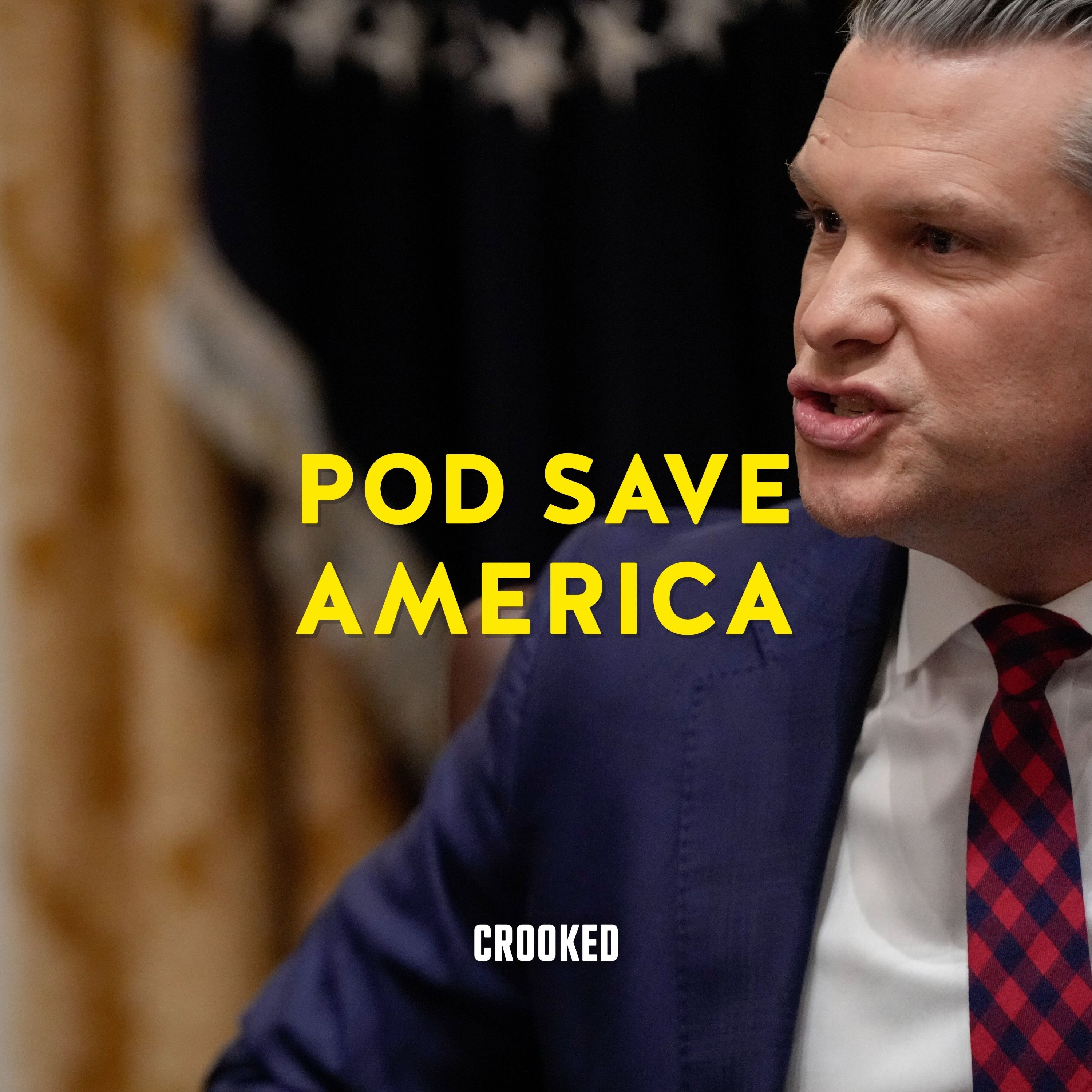
Speaker 4 The reported incident involved an unidentified woman and took place in 2017 at a Monterey hotel where Pete Hegseth was speaking at an event. The Trump transition team apparently has a memo.
Speaker 4 which we haven't seen, but the Washington Post reports on. It says the woman, quote, didn't remember anything until she was in Hegseth's hotel room.
Speaker 4 And then the next day, quote, had a moment of hazy memory of being raped the night before.
Speaker 4 Hegseth says through his lawyer that there was an encounter, but it was consensual, that there's surveillance footage of the two walking back to his room, smiling with their arms locked, and that the person involved has tried to, quote, blackmail him.
Speaker 4 Hegseth reached a settlement with the woman that apparently prohibits her from talking about it. Separately, concerns have been raised about a tattoo on Hegseth's bicep.
Speaker 4 It says, Deus Volt, which is Latin for God wills it, a phrase that...
Speaker 4 started with the Crusades, but has been used more recently by Christian nationalists in the far right.
Speaker 4 The tattoo was apparently why Hegseth was ordered not to deploy as a member of the National Guard to Biden's inauguration in 2021, an incident that has fueled Hegseth's complaints about the so-called woke military.
Speaker 4 Not to downplay the seriousness of these charges either, but in the context of a president who himself has been found liable for sexual assault and dined with white nationalist Nick Fuentes.
Speaker 4 Do you think at least four Republican senators could care enough about these issues to tank Hegseth's nomination?
Speaker 3 I don't think we should spend a lot of time on the tattoos, but I think the assault allegations are very recent and very serious, and the Senate has an obligation to investigate them, as Hexeth will be in a position of enormous power, and he will manage hundreds of thousands, if not millions, of women in his role as Secretary of Defense.
Speaker 3 And so I agree, like it's very frustrating because Trump has managed to evade accountability and this set of issues over and over and over again.
Speaker 3 But that Teflon does not apply to everyone he nominates, and we've seen him jettison people that he views as politically inconvenient in the past.
Speaker 3 I do agree that much like with Gates, I think there's got to be a broader conversation here about just his utter lack of qualification. I mean, again,
Speaker 3 this guy will run an organization, the next Secretary of Defense runs an organization that oversees, employs well over 2 million people. What has prepared you for that? weekend anchor.
Speaker 3 He personally lobbied Trump to pardon service members who have been convicted or accused of war crimes.
Speaker 3 Hegzeth would be the primary point of contact for his counterparts in foreign countries, at places like NATO.
Speaker 3 What diplomatic experience does he have? He'll be the top advisor on defense policy and military and security issues. He'll oversee an $800 billion
Speaker 3 annual budget with a wildly complicated acquisition process underneath it.
Speaker 4 2 million employees.
Speaker 3 More. I mean, it's insane.
Speaker 3 His biggest job was, I think he managed a nonprofit that had between 11 and 50 employees, 5-0?
Speaker 4 I will say that I have been when we first, Dan and I first talked about this at some of these cabinet picks last week, and I was talking about like, they don't have qualifications, they don't have experience, and I thought about it.
Speaker 4 That is actually like a benefit to a lot of Trump supporters and a lot of people who voted for Trump and a lot of people in the country.
Speaker 4
Like they want someone with not a lot of Washington experience or quality, like they don't care. I do think that like the politicization of the military.
could be extremely dangerous, right?
Speaker 4 And I would really want to zero in with him on questions of like, you know, there's reports that Trump is drafting an executive order to, you know, fast-track the purging of generals he doesn't like.
Speaker 4
He's talking about the woke military. Pete Hagseth had comments about doesn't think that women should be in combat roles.
People should ask him about Donald Trump and the Insurrection Act. Like,
Speaker 4 if you have a military that is only filled with Trump loyalists, at least in the senior ranks, it's a real fucking problem.
Speaker 7 Yeah.
Speaker 7 I want to talk about the stupidity of focusing on the tattoo for a moment
Speaker 7 because I saw people talking about the tattoo and then
Speaker 7 that it's this Latin phrase and it's a dog whistle for white supremacists. And someone on
Speaker 7 Twitter pointed out that this phrase really wasn't in common use until it was the name of a video game expansion for a video game called Crusader Kings.
Speaker 7 And so then the phrase took off a little bit because it was associated with that video game.
Speaker 7 Also, the reason people used to talk about dog whistles, it was meant to signal that this was somebody that had secretly very dark motives, right?
Speaker 7 That they're that they're not telling you the whole story, right? They're pretending to be normal, but then you see the dog whistle. He's got a secret white nationalist tattoo.
Speaker 7 These people are telling us what they're going to do, and what they're doing is very terrible.
Speaker 7 Like the fact that he has a Deus Volt tattoo on it just doesn't fucking matter at all because we already know that what he has talked about, what he wants to do, whether it was maybe being the person that gave Trump the idea for a preemptive strike in North Korea or talking about purging the military or whatever other heinous ideas he's bringing to the table, they're no longer worried about speaking at a tone only dogs can hear.
Speaker 7
And so like, I like the idea that like, oh, he's got a secret white nationalist tattoo. It's not a secret.
He's telling us what he wants to do.
Speaker 3 He posts shirtless selfies. It's not a secret at all.
Speaker 4 Yeah, I agree.
Speaker 3 That's like, it's a silly sidebar to me and it's an easy thing that
Speaker 3
Republicans can use to make us sound ridiculous. Yes.
But John, I also worry about like the qualifications trap that you're talking about.
Speaker 3 Because if I'm a MAGA person, I'm like, oh, you don't think this guy who has two bronze stars, served in combat, went to Princeton and Harvard is qualified, but you think that all these four stars over there who kept us in endless wars in Iraq and Afghanistan and before that, Vietnam and Korea, those people were qualified?
Speaker 3 Thousands and thousands and thousands of service members killed under those leaders, but my guy can't do it because he's a disruptor. That's a powerful rejoinder.
Speaker 3 And I agree with you that, like, even listening to my own kind of litany of questions about his qualifications, I really feel like I'm getting myself in a trap here.
Speaker 4 I know. And it's funny too, because we
Speaker 4 a million years ago were in a campaign with Obama where Obama was hit with all of these same accusations, right? That he was like, he was an empty suit and didn't have a lot of experience.
Speaker 4
And our whole rejoinder was, yeah, he doesn't have Washington experience. He's going to shake up the system.
Right.
Speaker 3 Change. Right.
Speaker 4
Yeah. So, but there's plenty to focus on with like their views, these nominees, and and what the views are.
And I think that's what we need to get at.
Speaker 4 And that speaks to the tattoo stupid thing that keeps everything else like, forget about,
Speaker 4 we've got to move away from just the offensive things these people might say or symbols or this or that or the other thing. It's like, what are their views?
Speaker 4 What are they going to do if they have power? And what is that going to mean for people?
Speaker 7
I agree. I agree with what you're saying with Hegset.
But with Matt Gates specifically, he...
Speaker 7 spent a couple years at a Northwest Florida corporate law firm before like Nepo babying his way into Florida politics.
Speaker 4 He's different.
Speaker 7 His only exposure, it seems, to criminal law was his own potential prosecution. Like I do think a qualification argument with Gates specifically is worth making.
Speaker 3
I agree with you there. I totally agree.
And although he's just a career politician, everyone hates career politicians. Hexeth, though, I think, has these
Speaker 3 bullets on paper that look pretty good.
Speaker 4 Yeah. Meanwhile, one major cabinet post that Trump has not yet filled is Treasury, which is reportedly causing a little intra-mega drama.
Speaker 4 The soft consensus is that it's a a race between Scott Besant, who heads up the Key Square Group hedge fund, and Howard Luttnick, the CEO of Cantor Fitzgerald and chairman of Trump's transition team.
Speaker 4
You might have remembered him from his interview with Caitlin Collins, where he said, of course, RFK Jr. is not going to be Health and Human Services Secretary.
So finger on the pulse.
Speaker 7 But also where he was so charmed by RFK Jr., he came to become an autism vaccine connection guy, just based on that one conversation with RFK Jr., who must be the most.
Speaker 7 charismatic man on the fucking planet. Dark.
Speaker 4 So Elon Musk tweeted over the weekend that he thinks Besant is a, quote, business as usual pick and that Luttnick will actually enact change. With RFK Jr.
Speaker 4 chiming in to say Luttnik would be great on crypto. There's also a vocal pro Besant camp that includes a lot of Wall Street types and potentially Steve Bannon.
Speaker 4 What is the Trump World debate going on here actually about? How are these guys different from each other, Tommy?
Speaker 3 You know the scene in American Psycho where they're all comparing business cards and they're all just like white with black print, but it's just like, this is bone.
Speaker 3
The typeface is ceiling rail. You know, I feel like that's what we're looking at is for identical business cards.
But there's a sense in Trump world that Bessant
Speaker 3 and another guy named Mark Rowan, who co-founded this massive investment firm, Apollo Management, they would make the markets happiest.
Speaker 3 They're the least true believery when it comes to putting in place massive tariffs on imported goods, especially goods from China.
Speaker 3 While Lutnik is seen as more of a true believer on tariffs and going hard at China and I guess supporting cryptocurrency, even if maybe long-term there's a view that cryptocurrency could help displace the U.S.
Speaker 3
dollar as the world's reserve currency and harm U.S. power abroad.
I also think there's some intra-personal shit going on over here, though, as always with Trump world.
Speaker 3 Like Lutnicks, the co-chairman of the Trump transition, the bulwark reported that there's a lot of people in Trump world who find him aggressive and thirsty for press coverage and annoying, and they feel like he's dick cheneying himself into the role of Treasury Secretary.
Speaker 3
I remember when Dick Cheney famously helped George W. Bush find a VP and was like, aha, I found it.
It's me.
Speaker 3 So that seems like there's some intra-Trump fighting happening too.
Speaker 4 Yeah,
Speaker 7 it's hard to really like, if you like, dig down, like, what is the actual policy dispute here, right?
Speaker 7 Then like CNN put these side by side, and I thought it was pretty instructive, which is like, okay, both these guys are going to execute Donald Trump's.
Speaker 4 agenda, right?
Speaker 7 We know that. But Besant wrote an op-ed and he said, tariffs are a means to finally stand up for Americans.
Speaker 7
But Luttnick at the speech at Madison Square Garden said, when was America great? 125 years ago. We had no income tax.
All we had was tariffs. And it does seem like
Speaker 7
he's the kiss ass. He's a style guy.
Yeah.
Speaker 4 Or I don't even know if Luttnick
Speaker 4 has those genuine beliefs about tariffs or his genuine belief is that he wants the job and will just say whatever Trump wants. And I feel like that you always get a leg up on everyone else
Speaker 4 unless you're very public about everything and then try to get too much news coverage. So that's why he
Speaker 4 may not end up in the job.
Speaker 7 Yeah, but it's like
Speaker 7 the signaling that he's willing to say the crazy thing. Whereas I think the money guys are like, listen, we know that Trump is talking about tariffs, but he's not going to fuck with the markets.
Speaker 7 And we got to have somebody in there that knows how to speak the language of the markets because, look, we're all having fun here.
Speaker 7 This has all been a big fun joke, but nobody messes with our fucking money.
Speaker 3 Yeah, there's like tariffs as a threat or tariffs as a thing we do and potentially crater the economy. Same with deportations.
Speaker 3 There's deportations as a threat, then there's actually throwing 20 some odd million people out of the country and again, cratering the US economy.
Speaker 4 There's some reports that Trump may go another direction from either of those two, which I could get because one thing Trump doesn't like is getting pressured to do something and then actually doing it by either camp, right?
Speaker 4 And now that the, you know, the pro-Besant and pro-Lutnik camps are so public, like it just like, you know, if it's if it's Besant, then it looks like Wall Street wins, you know, and Trump doesn't want that.
Speaker 4 And if it's Lutnick, it looks like, you know, Elon tweeted it. And I'm sure he doesn't like the idea that he's going to be led around by Elon Musk.
Speaker 4 There's some maybe a little drama brewing there, too.
Speaker 7 Right, right.
Speaker 4 It's like Elon Musk overstaying his welcome at Mar-a-Lago.
Speaker 7 Yeah, it's like a self-fulfilling prophecy, right?
Speaker 7 Like they've created now this, this choice wasn't actually a choice that was going to determine whether Trump was going to go hard on tariffs or be against crypto.
Speaker 7 But like it, by making the choice now, it maybe like removes some some of his of his like strategic vagueness that he loves to have. So I can see that.
Speaker 3 Ludnick was also accused by some in the Trump world of leaking the Rubio pick for Secretary of State to the New York Times. And maybe people think he asked Elon to lobby for him on Twitter.
Speaker 3 And that's just seen as a big no-no to pressure the boss publicly.
Speaker 4 I do think the big policy implication here is like how serious Trump is about the tariffs.
Speaker 4 And I think they don't know yet because the tariffs in the first term were nothing like what he's proposing or what he has talked about for the second for this coming term and it's one thing to have to impose targeted tariffs on you know aluminum or steel from china one country you're doing across the board tariffs on every single thing that's imported from every country like not only is wall street not going to like that but like it's it's consumers are not going to like that yeah it's very disruptive talk about like inflation and prices i mean it's it could be pretty bad last personnel thing we wanted to get into today is trump's pick for fcc chairman that's the federal Communications Commission.
Speaker 4 The guy's name is Brendan Carr, who literally wrote the FCC chapter of Project 2025. Trump appointed him as one of the commissioners of the FCC in 2017.
Speaker 4 Right after Trump announced him on Sunday night, Carr tweeted, we must dismantle the censorship cartel and restore free speech rights for everyday Americans.
Speaker 4 He's also talked about going after the licenses of broadcasters like NBC per Trump's demand. Anything else to know about this guy?
Speaker 4 What do you think he represents in terms of policy change and what can an FCC chairman do?
Speaker 7 So two big things that I think are not getting the headlines, but are pretty important. One is he may have the ability to drive a bunch of money towards Elon Musk and Starlink.
Speaker 7 The second, which I think is pretty important, is the FCC decides how restrictive the ownership rules are around local TV stations.
Speaker 7 The last time Trump had the FCC, there was a lot of bluster on a lot of different issues, but one of the most impactful things they did was make it easier for there to be consolidation in the ownership of television stations, which has benefited right-wing news organizations like Sinclair.
Speaker 7 Now that Trump has won,
Speaker 7 the head of Sinclair, the Sinclair CEO, said that
Speaker 7 it feels like a cloud over the industry is lifting. We're very excited about the upcoming regulatory environment.
Speaker 7 The rule that stays in place right now is that no one company is allowed to own stations that would collectively reach more than 39% of U.S.
Speaker 7 households, and no single entity can own more than one of the four largest stations in any single market, right? These are the kind of last rules preventing even more consolidation in the industry.
Speaker 7 Carr would like to lift those rules. Some right-wing Republicans, organizations like Sinclair would like to lift those rules and have even more control over the local news that people get.
Speaker 7 And those to me are sort of the two biggest right now things that they can do with power. Beyond that, it's a lot of like bully pulpit and a lot of...
Speaker 7 Look, news organizations are already squeamish, right? We saw that after Kamala Harris was on SNL, they gave Trump a free spot on NASCAR, right?
Speaker 7 Like, they don't need to kind of bring the hammer down for news organizations and media companies to be afraid of the FCC chair and afraid of having a letter from the FCC chair or afraid of being called into Congress for hearing or being kind of investigated.
Speaker 7 And so that, that to me is the biggest concern. It's like these sort of regulatory changes, but also just someone like this having the bully pump.
Speaker 3 Trevor Burrus, Jr.: He's a very hardcore conservative activist. He's exactly what you'd expect to come out of the Heritage Foundation.
Speaker 3 And he will know how the mechanics of the agency work to to actually use it for power, to implement the Trump agenda, whether that's punishing enemies at tech companies, whether it's punishing enemies in the media, whether it's steering money to Trump allies like Elon Musk.
Speaker 3 So he's one of those people that's not like a name-brand MAGA type, but knows what he's doing. And I think that's the danger here.
Speaker 4 It's interesting that he,
Speaker 4 in the Project 2025 chapter, he wants to ban TikTok. Big time.
Speaker 3 Which is interesting since now Trump is one of many, actually, in the cabinet now.
Speaker 4
Since Trump has flip-flopped on that. So that'll be interesting.
Yeah, he talks a lot about regulating tech.
Speaker 4 Google and Meta aren't defined as communication services, so he doesn't really have the authority to do that. They would need to change the law probably with the FCC.
Speaker 4 The FCC is also prohibited from punishing television and radio stations for editorial decisions. So like you said, Lovett, it's more bully pulpit than actual
Speaker 4
you talked about ownership, changing ownership so that people can, you know, an entity can own more. He can also block mergers.
The FCC can block mergers.
Speaker 4 So for communications companies and media companies that he doesn't like, he could
Speaker 4 stop that.
Speaker 7 Yeah, but that also then, it's like, okay, well, that depends what court that ends up in front of, right?
Speaker 7 And so, like, a lot of this is like how much power he ultimately has also depends on how much the right-wing court is willing to step into the fray.
Speaker 7 And then, more broadly, like, this is part, there's like a, there's a, like, a lot of this will be about what Congress does. Well,
Speaker 7 Congress is enamored of the same right-wing beliefs about the media that this guy is. And so like, you know, there will be hearings and this guy will testify before Congress about the need to
Speaker 7 stop the censorship provided by caused by big tech and all the different ways in which the media is biased against conservative. Like this is part of a long-term effort and they have been succeeding.
Speaker 3 Big personnel of the news while we were recording, guys, Sean Duffy nominated to serve as the Secretary of Transportation, first real-world Boston cast member in the cabinet.
Speaker 4 But maybe not the last.
Speaker 7 Wow.
Speaker 3
Rachel Campos. Rachel, yeah.
She might get in there too. Yeah.
Speaker 4 So we love reality TV representation in government. There's a lot of it, right?
Speaker 7 There have been great people that have been on Survivor
Speaker 7
that have run for office. Something to think about.
Also some misses.
Speaker 4 Speaking of needing experience and qualification.
Speaker 7 You see Biden wandering off into the middle distance and then the Amazon, everybody's like, hey, were you there?
Speaker 3 Is that where? A lot of tweets that said he looked like he's at a tribal council.
Speaker 7 Yeah, for sure.
Speaker 8 Hey, this is Will Arnett, host of Smartless. Smartless is a podcast with myself and Sean Hayes and Jason Bateman, where each week one of us reveals a mystery guest to the other two.
Speaker 8 We dive deep with guests that you love, like Bill Hayter.
Speaker 8 Selena Gomez, Jennifer Aniston, David Beckham, Kristen Stewart, and tons more.
Speaker 8 So join us for a genuinely improvised and authentic conversation filled with laughter and newfound knowledge to feed the Smartless mind. Listen to Smartless Now on the Sirius XM app.
Speaker 8 Download it today.
Speaker 2 Need to restock inventory, cover seasonal dips, or manage payroll? OnDeck's small business line of credit provides immediate access to funds up to $200,000 exactly when your business needs it.
Speaker 2 With flexible draws, transparent pricing, and full control over repayment, you can tackle unexpected expenses without missing a beat.
Speaker 2 Apply today at ondeck.com and funds could be available as soon as tomorrow. Depending on certain loan attributes, your business loan may be issued by ONDEC or Celtic Bank.
Speaker 2 Ondeck does not lend in North Dakota. All loans and amounts subject to lender approval.
Speaker 9 Running a business is hard enough, so why make it harder with a dozen different apps that don't talk to each other? Introducing Odo, the only business software you'll ever need.
Speaker 9 It's an all-in-one, fully integrated platform that makes your work easier from CRM, accounting, inventory, e-commerce, and more.
Speaker 9
And the best part, Odoo replaces multiple expensive platforms for a fraction of the cost. That's why over thousands of businesses have made the switch.
So why not you? Try Odoo for free at odoo.com.
Speaker 9 That's odoo.com.
Speaker 4 Let's talk about what the Democrats are up to. There was an article in the New York Times.
Speaker 7 Who are they?
Speaker 4 Yeah, exactly.
Speaker 4 There was an article in the New York Times on Saturday detailing the party's new battle plan against Trump, which basically involves Democratic governors and attorneys general using their power to protect people in their states.
Speaker 4 One thing that was notable in the piece was that a lot of governors who seem to be on the Democrat shortlist for 2028 have not yet signed on to this.
Speaker 4 It's basically a Pritzker, Governor Pritzker-led, Governor Polis-led sort of alliance, but there was no Gretchen Whitmer on it, no Josh Shapiro, no Tony Evers.
Speaker 4 What do you guys make of the plan and the fact that some big-name Democratic governors haven't yet signed on?
Speaker 3
I mean, some of the plan is just common sense. I You fight bad laws in courts.
You pass what you can pass in state legislatures. There were other pieces in there that were a little weird.
Speaker 3 I wasn't sure if they were part of the broader plan, like someone pitching opposition research on the Murdoch family or on Elon Musk.
Speaker 3 I can imagine why an elected official might want some distance from that.
Speaker 3 Like big picture, I imagine that every governor is doing what they can internally to quietly prepare for a second Trump term and have been for a while, but they don't want to signal that it's part of some some Resistance 2.0 or some big donor-led effort.
Speaker 3 And they're ultimately going to frame anything they do as fighting for the people who voted for them, not as part of some broader Democratic Party thing.
Speaker 4 That's my guess. Yeah, Pritzker's office said that not all governors wish to be named publicly because of the potential for to be threatened by a new Trump administration.
Speaker 4
I was reading their release too. It was a lot.
It was hard to find what it actually is, you know, because the truth is
Speaker 4 the big issue that they're going to face right away is sort of cooperation with the feds on potential deportations and whether local law enforcement, because here's the thing that, you know, ICE and
Speaker 4 the new
Speaker 4
ICE guy, Tom Homan, has said that, like, oh, I can do it with ICE agents alone. We don't need local police.
But the truth is, it's a lot easier if they have cooperation with local law enforcement.
Speaker 4 And in some states, the law says that local law enforcement can refuse to cooperate. In some states, they don't have to refuse and they can cooperate.
Speaker 4 So I'm sure a lot of it is probably figuring out what powers Democratic governors, attorneys general, and local officials have and don't have that are currently on the books or not on the books.
Speaker 4 And some legislatures are already thinking, like, do we need, like, I think in New York, they're thinking about maybe passing new laws around immigration.
Speaker 4 So I think it's a lot of, but it's a lot of like, you know, powers that they currently have.
Speaker 7 Yeah, it's,
Speaker 7 it's like, what is the value of getting out in front and having a kind of branded response as opposed to like kind of just being ready for anything and fighting where you can?
Speaker 7 Like, it is, I think, obviously like
Speaker 7 chilling that Democrats are afraid to say the ways in which they will want to fight against Donald Trump for fear of retaliation.
Speaker 7 We saw it during the pandemic that Democratic governors had to go out of their way to praise Donald Trump because they wanted to make sure they were getting the supplies and resources they needed.
Speaker 7 That is part of the menace that Donald Trump poses.
Speaker 7 But I also like, I don't totally understand how the sum is greater than its parts of them all doing it together, as opposed to just they're going to be fighting these guys the way they fight them state to state.
Speaker 7
And like, beyond that, I don't know. I don't know yet.
I feel like it's, we're just in this space where, you know, Trump is not yet president.
Speaker 3 The threat is prospective.
Speaker 7 We don't totally know what he's going to try to do. By the way, there are ways in which I am sure Trump and his goons would love to fight with New York about deporting criminals.
Speaker 7 And I am sure that these governors, sorry, the Shapiros and the Whitmers are very aware of the fact that they do not want to be drawn into one of their first public fights with Donald Trump over stopping deportations of people that they will point out are violent offenders.
Speaker 7
Like that is a fight they don't want. And so I think like it's just tricky.
And so I think I'm like just sort of,
Speaker 7 I'm like concerned about what it means to brand it before it exists and what that gets you.
Speaker 4 They really do want a reaction. They want to provoke a reaction.
Speaker 4 And Trump also confirmed today on Truth Social because Tom Fitton of Judicial Watch was like, oh, yeah, he's going to use the military to assist in deportations.
Speaker 4 And Trump said, true, which is it's being treated as news today, but he said it, of course, all during the campaign and every interview he was asked.
Speaker 4 But you can tell that that's the kind of thing where they want to provoke the reaction and then to say, oh, actually, this person that we're deporting committed a violent crime.
Speaker 4 So Democrats are also trying to figure out who's going to represent them as the next DNC chair. On Monday, former Maryland governor Martin O'Malley became the first person to officially launch a bid.
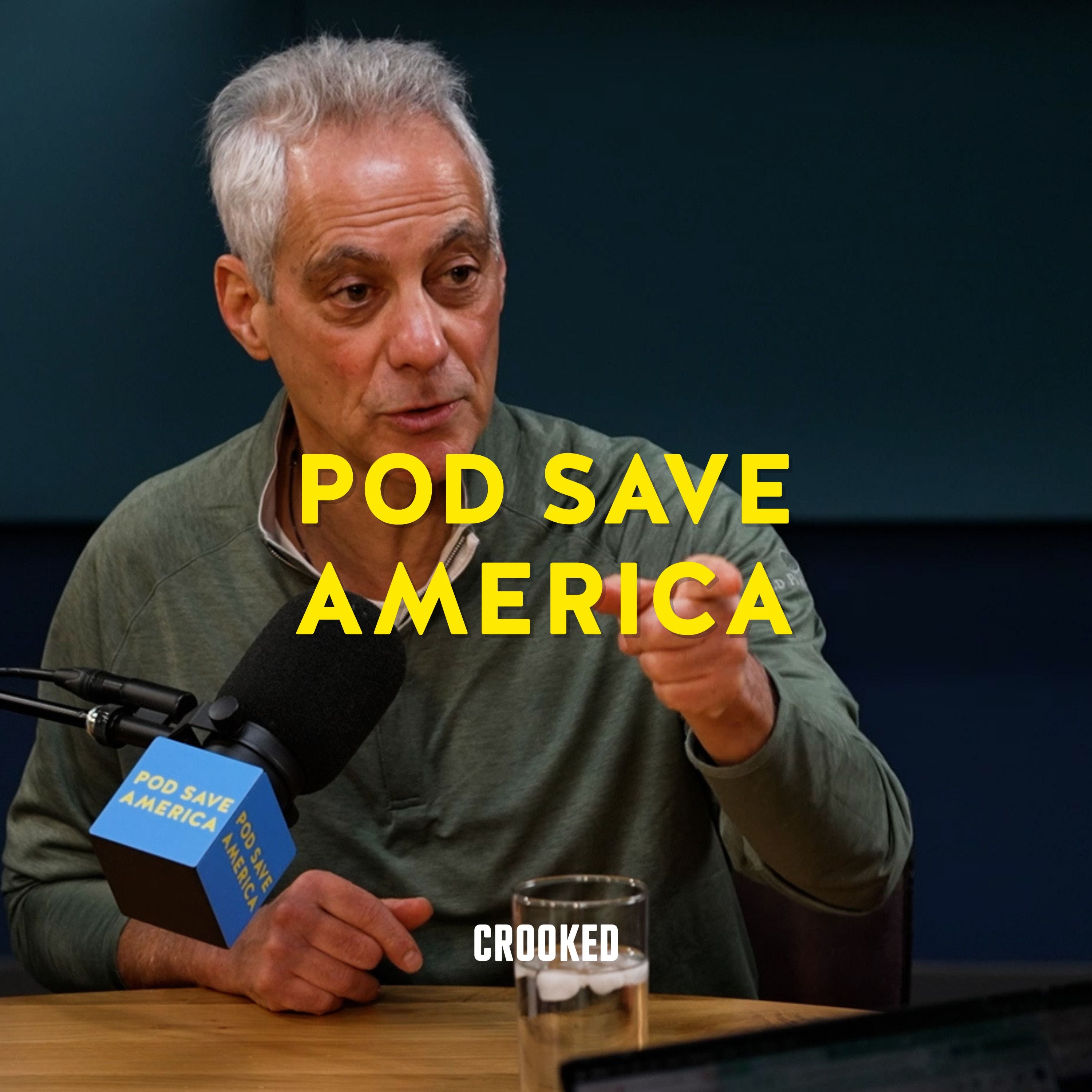
Speaker 4 Other potential contenders include Minnesota Democratic Party chair Ken Martin, Wisconsin Democratic Party Chair Ben Wickler, former New York State Assemblymember Mike Blake, and maybe even former Chicago Mayor and White House Chief of Staff Rah Emanuel, although reportedly he seems less interested now.
Speaker 4 Despite being a decision made by less than 500 committee members, the race for DNC chair will serve as the first big public debate about the future of the Democratic Party. How fun.
Speaker 4 You guys have thoughts on this and what the role of a DNC chair at a moment like this should be?
Speaker 7 I know and like Ben.
Speaker 3 I mean, there's a couple different forms.
Speaker 3 There could be, you're going to have to raise a ton of money.
Speaker 3 You're going to have to try to coordinate and create strategy for how Democrats get back on their feet and win elections and down ballot races starting pretty soon.
Speaker 3 You're a key spokesman and fundraiser for the party. You'll oversee the platform and the convention eventually, but by then there will be a nominee running for president.
Speaker 3 So I don't know, there's different forms you could imagine.
Speaker 3 You could imagine someone who's more of a classic organizer that's getting to the nuts and bolts and kind of trying to reshape and rethink how the committee operates.
Speaker 3 Or it could be someone that is a spokesperson and just raises a shit ton of cash. And I don't, I like, I'm not totally sure what the Democrats want at the moment.
Speaker 7 Yeah, sort of the
Speaker 7 we've like spent years of seeing endless sort of conspiratorial thinking about the power of the DNC and its role in determining in backrooms who the Democratic Party chooses and who the candidate is and whether, you know, they tried to stop Bernie or, or whatever it might be.
Speaker 7 Like
Speaker 7
we have to have a big conversation about the like the future of the Democratic Party. That's like an organizing conversation.
That's a fundraising conversation.
Speaker 7
That's a policy conversation, a messaging conversation. And the DNC chair.
It can be somebody that is central to that conversation and like helping to lead it and think about it.
Speaker 7 That it can also be someone who is doing behind the scenes operating while that takes place in other forms. I just don't know.
Speaker 7 I think like that's partly what this debate is about, like what the role of the DNC chair will be in the next couple of years. And I mean, the one thing I just thinking about what happened after...
Speaker 7 So one, so two, two thoughts about this is one, just that what we're saying right now, how we're thinking about the future, it will turn out to be wrong in some fundamental ways, right?
Speaker 7
Like just things will change over the next couple of years. We will be overtaken by events.
What happens with the Trump administration will kind of inform the politics of the next couple of years.
Speaker 7 But I will say that, like, one lesson from 2004 that I've seen people talking about is that people took the loss as a need to reinvest in a 50-state strategy to think about how we win everywhere.
Speaker 7 And if there's one place I would like the DNC chair to be thinking about, it's how we build and organize everywhere across all 50 states, that that is only additive to all the other debates and strategy discussions that will be unfolding.
Speaker 4 I really agree with that. Like, I know that this will be seen and treated as this first big public debate over the direction of the party.
Speaker 4 I think that this is, at this moment, this is not the role where you want someone with a strong ideological view of where the party should go or allegiance to one faction of the party or another.
Speaker 4 Like, I just think at the end of the day, the DNC chairman, of course, becomes a spokesman for the party, but they are seen as partisan.
Speaker 4 They go on TV, they give a message, and we're eventually going to have in the midterms a whole bunch of Democratic candidates, and we're going to have primaries for that.
Speaker 4 And then we're going to have a primary in 2028 where all of these debates should be worked out.
Speaker 4 And I just don't, I think that the DNC chair should be thinking about organization, party building, like someone who knows that the key to winning is organizing everywhere and building relationships with voters all year round.
Speaker 4 And
Speaker 4 so that's sort of what I think. And this is partly because of when we did this in 2016, I remember we had a lot of the candidates on Potsey America when we just started Potsey America.
Speaker 4
And it did seem like it was going to be this big ideological debate about where the party was. And it's just like that.
That ends up not being what the DNC chair is.
Speaker 4 That's not the role.
Speaker 3 And you'll have, look, in terms of spokespeople, you'll have congressional leadership that will be doing a lot of that. The midterms will be key, as you said.
Speaker 3
And look, the 2028 presidential primary started on November 6th. So that will be revving up soon.
And whoever wins is going to be, you know, going to fundamentally reshape the entire party.
Speaker 3 So it's not, it matters a lot who the the DNC chair is, but for I think the reasons that you were talking about, which is just the need to kind of rebuild and organize and get back to the grassroots and not, you know, it's less of a spokesperson job.
Speaker 4
Yeah. And look, I mean, we're all biased.
We love Ben Wickler.
Speaker 4 And I do.
Speaker 3 And I worked with Michael Blake in Iowa a million years ago, and he's been a vice chair. So there's a lot of like great candidates out there floating their names.
Speaker 4
We've worked for Rahm in the White House. We've had that experience.
Yeah.
Speaker 7 Maybe, Maybe what we need is someone to yell at us to win again. I'd like, you know, maybe that,
Speaker 7 no bad ideas in a brainstorm. Maybe some more yelling.
Speaker 4 I'd like to hear more from O'Malley. Obviously, you know, we've known him for a long time, just as a public figure.
Speaker 4 I don't know much at all about Ken Martin, but apparently he's not just the chair of the Minnesota Democratic Party or the DFL as it's called there.
Speaker 4 He's the DNC vice chair because he's also the president of the Association of State Democratic Chairs. So he has a position at the DNC now and it's just long time in politics in Minnesota.
Speaker 4 So I would love to know more from him. I do think that, you know, if Ben decides to do this, Wisconsin was the smallest swing towards Trump of any swing states in all but four other states.
Speaker 4
He has been organizing that state, leading that state for a long time. He's got a really strong record of winning that he can talk about.
So that is that's one thing in Ben's favor. And he is.
Speaker 4 He is liked by multiple factions.
Speaker 7 Yeah, we've talked about wishing we could replicate Ben Wickler.
Speaker 4 Yeah, that's
Speaker 7 And short of that, this is
Speaker 7 perhaps a way for us to get closer to that than we otherwise could.
Speaker 3 Yeah, and like to
Speaker 3 Rahm's sort of like the most divisive one of the names that's been floated out there, I think the credit to him is in 2006, he ran the DCCC, and we won a ton of races, and he deserved a lot of credit for that success.
Speaker 3 And then he was the White House chief of staff, and he
Speaker 3 was went on to be mayor of Chicago. I think the record in Chicago in particular, though, is seen as divisive for a variety of reasons among Democrats.
Speaker 3 He's someone who greatly pisses off the left, often on purpose. So, I mean, I think the upsides for Rahm would be a track record of success.
Speaker 3 The downside would be some pretty obvious splits in the Democratic Party from the first minute.
Speaker 4 It said in the...
Speaker 4 They reported today that now his interest is maybe tepid because if Durbin decides not to run again, he could run for senator in Illinois.
Speaker 4 Or if Pritzker doesn't run for governor again, he he could run for governor in Illinois. If I was Rahm, I would rather do that than come a million times.
Speaker 4 I don't know what are you even talking about.
Speaker 7 I remember one time in the White House, I can't remember what the speech was about, but I got called into Rah's office and he just started, like, you like,
Speaker 7 he like yelled at me. And I remember just being, like, it wasn't like, I wasn't like, it wasn't like, it was just loud.
Speaker 4 It wasn't, it was just, it was,
Speaker 7 and I remember saying something like, oh, you're doing the thing where you're yelling. Does this, what is this supposed to do?
Speaker 4 Why are you talking about that? I think you're the only person that's happened to.
Speaker 7 Yeah, no, but it was such a funny thing. It was just sort of like, oh my God, you're yelling at me, like the famous thing that happens.
Speaker 7 Why?
Speaker 7 What is this tone meant to convey? He did that all the time.
Speaker 4 All right, before we go to Tommy's interview with Brandi Zedrozny about RFK Jr., two quick notes on how our friends on cable news are reacting to a second Trump term.
Speaker 4 On Saturday night, Trump went back to Madison Square Garden to see a UFC fight with his new MAGA pals. He had Elon.
Speaker 4 Vivek Ramaswamy, RFK Jr., Tulsi Gabbard, Mike Johnson, who did not look like he belonged. They were also hanging out with Joe Rogan and Dana White.
Speaker 4 CNN panelists didn't quite know what to make of this. Here's the reaction from the Bulwarks, Mark Caputo.
Speaker 10 I mean, and it really looks like ancient Rome here.
Speaker 10 This is sort of the conquering Republican Caesar who's going into the Colosseum, and everyone's cheering, and he's got his political gladiators with him.
Speaker 10 That appearance isn't just about him enjoying the applause. He's sending a message to the Senate
Speaker 10 like, not only are you entertained, but these are my people. And are you willing to fight?
Speaker 3 Because here's who I have.
Speaker 4 Okay.
Speaker 4 Meanwhile, Trump's favorite on-again, off-again frenemies at MSNBC, Joe Scarborough and Mika Brzezinski, revealed on Monday's morning Joe that the couple made a pilgrimage to Mar-a-Lago for a meeting with Trump that Mika compared to a kind of diplomatic summit.
Speaker 11 Joe and I went to Mar-a-Lago to meet personally with President-elect Trump. It was the first time we have seen him in seven years.
Speaker 12 And it's going to come as no surprise to anybody who watches this show, has watched it over the past year or over the past decade, that we didn't see eye to eye on a lot of issues and we told him so.
Speaker 11 What we did agree on was to restart communications. And for those asking why we would go speak to the president-elect during such fraught times, especially between us, I guess I would ask back,
Speaker 11 why wouldn't we? Joe and I realize it's time to do something different. And that starts with not only talking about Donald Trump, but also talking with him.
Speaker 4 Feels like it's going to be a long four years at CNN and MSNBC. Do you guys see Trump's return as conquering Caesar in ancient Rome or more of a Stalin at Yalta situation?
Speaker 3 I saw that. I was like, guys,
Speaker 7 it's something we all just need to realize that.
Speaker 3 Sitting ringside at a fight and then flying home on a PJ while crushing McDonald's with the the boys.
Speaker 7 That's cool. That's cool,
Speaker 3 that seems like a good-ass time to most people in this country. And I think that's what it's about.
Speaker 4 You don't think it was a message to Kevin Kramer and John Corner about the picks?
Speaker 3 No. And then, you know, like I was watching football yesterday, and you know,
Speaker 4 I'm kidding. Keep going.
Speaker 4 What?
Speaker 3 I was watching football yesterday, and then, like, you have all these players celebrating, doing the Trump dance.
Speaker 3
John Jones, who was a UFC fighter, who won the fight that night, the fight Trump was at, he came over and kind of like kissed a ring with Trump. Like, these guys all like him.
They think he's cool.
Speaker 3
There's a huge swath of the culture that is just into Trump. And also, just like an aside, we worked for Obama.
Obama was seen as being aloof and he didn't socialize enough, right?
Speaker 3 There was the famous, why don't you have a drink with Mitch McConnell thing?
Speaker 4 This is the absolute opposite of that,
Speaker 3 which is he names these weirdos and goobers to his cabinet, and then he flies them all to a UFC event and allows them into his entourage for like the cool kid show and you like dorky little Speaker Johnson who you know in his day job is setting up software with his son to monitor their masturbation is now like hanging out with Dana White.
Speaker 3 I mean, it's a brand of politics that combines the professional and the personal in a way that has to be pretty powerful.
Speaker 4 Didn't see Barack Obama taking Rayla Hood to the Wizards game. Yeah.
Speaker 7 Probably should have.
Speaker 3 I was trying to decide if that happened.
Speaker 4 it's uh hit the republican you put yeah yeah yeah right right
Speaker 7 yeah the the like the dance thing too it's like there's something about it that's like it's not just like pro Trump but it's like anti everybody that hates Trump and it's like ha you lost you have no real power like we're we're done we're done pretending right and I do like it that to me is what like sort of is striking about the whole thing because it's like it's not like everyone suddenly loves Trump so much it's like a it's like Trump exists as like a fuck you and like the dance is like part of this like big old fuck you.
Speaker 7 I will say, man, now if you're gonna, I get why Meek Njo went to see Trump this week because like Donald Trump, imagine getting president and basically getting acquitted of 5,000 felonies, like all in the same day.
Speaker 7 Like he must be the happiest guy he has ever been in his whole life. If there's ever a question you wanted to ask Donald Trump, this is the time.
Speaker 4 See, I was thinking a lot of the reaction to Meek and Joe going was like, oh, I guess all that Hitler rhetoric didn't mean much. I'm like, maybe they didn't really believe it after all.
Speaker 4 It's like, or did they believe it too much? Yeah. And that's why they went
Speaker 4
to go kiss the fucker. Like, Mr.
Trump.
Speaker 7 You don't crawl towards Kubla Khan because you think he won't kill you.
Speaker 4 Do you think it's just to like repair the relationship so they can have hard-hitting journalism? No, they're fucking probably scared.
Speaker 7 They're trying to get off of the Gates Hitler.
Speaker 3
Look, I'm trying to take take seriously. We all should reach out more, try to understand the other side, interview them, talk to people who disagree with, et cetera.
But like, you don't host
Speaker 3
the kind of establishment show in Washington for decades without access. And that's what this trip was.
They're just trying to reestablish that. Remember, Donald Trump almost wanted to
Speaker 3 do their wedding at the White House.
Speaker 4 And then he called Mika a crazy psycho who was bleeding badly from a facelift on Twitter. Said that.
Speaker 7 i forgot about that the other cultural
Speaker 3 it's been a long long eight years it's been a long time great work actually if it's true it's great work the the other the just watching this sort of swing on a cultural dime really is it's amazing to behold in 2016 people were you know a lot of them were ashamed of supporting trump or they didn't tell people they didn't have trump signs uh but now like again this nfl player named nick bosa plays for the 49ers he wore a trump hat during i think it was like a pre-game or post-game interview and he got fined by the nfl and And, you know, the kind of narrative on the right is like, ha, he can do that in your face, free speech, whatever.
Speaker 3 A decade ago, it was black NFL players kneeling during the anthem and they were told that they were insulting the troops and you had Trump tweeting about them and how dare they bring politics into sports and just like the pendulum has swung so thoroughly.
Speaker 3 It is head spinning.
Speaker 7 Yeah, you also see like right-wing stories about like
Speaker 7
you know, CBS censors the Trump dance. They don't want America to see the Trump dance.
They're just like spinning it up because like,
Speaker 7 it's like they're making.
Speaker 4 They don't want people to see the double jerk off?
Speaker 7
Well, it's, it's just sort of like, it's like, it's, it's both like, it's like they are in power. Trump has won.
They control all branches of government.
Speaker 7 Like showing your support for this is somehow both like, like.
Speaker 7 You're embracing the most powerful forces in American life and it's like an act of resistance against the kind of like woke mob. And man, we got to figure out, we got to figure out a politics.
Speaker 7 That's fun because this sucks.
Speaker 3
Yeah, this sucks. That is the key thing.
Like, those photos and videos of Trump walk into the UFC thing, surrounded by goobers, it looks really fun.
Speaker 3 So that looks like a party people want to be a part of, and we have to figure out how to emulate that.
Speaker 7 Yeah, for Keem Jeffries to go to Suffs.
Speaker 4 Suffs.
Speaker 7 Get on the plane. We're all going to Suffs.
Speaker 4
I mean, the first step is not to fucking whine about it. Right.
That is the first step. That is the first step to not like.
Speaker 3
Or pretend it's something that it's not. It's not like a threat.
It's just a guy going to a sporting event.
Speaker 4 Well, it's like, once again, they want the reaction. I saw a bunch of like right-wing commentators on X being like, the libs have been kind of silent since we won, and they're not complaining.
Speaker 4 They exist to have the fight. They want the fight.
Speaker 4
They want the liberal tears. They want people doing it right.
And if you don't give it back to them, they get pissed, you know? Okay.
Speaker 4 When we come back from the break, you're going to hear Tommy's conversation with Brandi Zedrosny about RFK Jr. and all the wellness and vaccine skepticism, craziness that got us to where we are today.
Speaker 4 One quick thing before we do that: this week on Assembly Required, Stacey Abrams talks with historian Heather Cox Richardson to see how history can be our guide in charting our path forward.
Speaker 4 Together, they dive into strategies for countering disinformation and harnessing states' rights. And Stacey answers audience questions on getting involved.
Speaker 4 Listen to the latest episode of Assembly Required now or watch on YouTube. When we come back, Brandy is a Drozny.
Speaker 8 Hey, this is Will Arnett, host of Smartless. Smartless is a podcast with myself and Sean Hayes and Jason Bateman, where each week one of us reveals a mystery guest to the other two.
Speaker 8 We dive deep with guests that you love, like Bill Hayter, Selena Gomez, Jennifer Aniston, David Beckham, Kristen Stewart, and tons more.
Speaker 8 So join us for a genuinely improvised and authentic conversation filled with laughter and newfound knowledge to feed the smartless mind. Listen to Smartless Now on the Sirius XM app.
Speaker 8 Download it today.
Speaker 2 Need to restock inventory, cover seasonal dips, or manage payroll? OnDeck's small business line of credit provides immediate access to funds up to $200,000 exactly when your business needs it.
Speaker 2 With flexible draws, transparent pricing, and full control over repayment, you can tackle unexpected expenses without missing a beat.
Speaker 2 Apply today at ondeck.com and funds could be available as soon as tomorrow. Depending on certain loan attributes, your business loan may be issued by ONDEC or Celtic Bank.
Speaker 2 ONDEC does not lend in North Dakota. All loans and amounts subject to lender approval.
Speaker 9 Running a business is hard enough, so why make it harder with a dozen different apps that don't talk to each other? Introducing Odo, the only business software you'll ever need.
Speaker 9 It's an all-in-one, fully integrated platform that makes your work easier. From CRM, accounting, inventory, e-commerce, and more.
Speaker 9
And the best part, Odo replaces multiple expensive platforms for a fraction of the cost. That's why over thousands of businesses have made the switch.
So why not you? Try Odoo for free at odoo.com.
Speaker 9 That's odoo.com.
Speaker 3 I am so excited to welcome to the show today, Brandi Zadrozny. She is a senior reporter at NBC News.
Speaker 3 She specializes in misinformation, extremism, and the intersection of technology and politics, and is someone whose work I have read for a very long time. Brandy, it's great to see you.
Speaker 5 Oh, thanks for having me.
Speaker 3
Thank you for doing this. So I just wanted to start big picture.
I mean, the context here is Robert F. Kennedy Jr.
is now nominated to be the Secretary of Health and Human Services. Very big job.
Speaker 3 And I want to talk a little bit first about how we got here, because I imagine for some listening, Robert F. Kennedy's popularity is quite surprising.
Speaker 3 But for others, especially those who consume kind of wellness content on social media, the issues he's talking about are very familiar.
Speaker 3 Kids' foods being unhealthy, additives, dyes in food, fruit loops, how stuff we eat here is actually banned in other countries, corporate capture of regulatory agencies, et cetera.
Speaker 3 Can you just kind of describe for listeners the wellness media space and how you think that has helped Kennedy build an audience?
Speaker 5 Yeah, I mean, the wellness media space is really a woman's space in so many ways in terms of consuming, right? And so, you know, we can talk about this
Speaker 5 in the frame of Kennedy himself. You know, the way that he became where he is now is truly a story of women.
Speaker 5
It's a story of women on the internet who had babies who were sick and they didn't understand why. And so this was a real problem they were facing.
They, you know, no one had an answer for them.
Speaker 5 And then they came onto the internet and there was this really burgeoning community of wellness mamas, of autism moms, they called themselves warrior moms, this Jenny McCarthy era that we remember pretty well, of women saying, there's no answers for us, so we're going to find some ourselves.
Speaker 5 And he became a champion of these women. You know, they literally came to his door with a stack of, you know, papers and data and said, see, the data shows this.
Speaker 5 And it did not then, and it does not now, but he became their champion. And he went to spaces like churches in Harlem.
Speaker 5 He went to spaces that people who had real health concerns weren't being heard and said, I am your champion. I have an easy answer for you, as conspiracy theorists do, and gave them that answer.
Speaker 5 He grew his organization from one that was making, you know, less than a million dollars in 2015, 2016, to an organization that's making, you know, 20-something million dollars a year now. It's huge.
Speaker 5 And it was a big movement anyway, even after, you know, we decided that
Speaker 5
Ginny McCarthy's and that like whole campaign was no good. We didn't want it, you know, in public anymore.
It was relegated sort of back to the internet. But then COVID came along.
Speaker 5 And with COVID, that audience of like moms who were looking for answers for why their babies were sick now was everybody looking for answers for what is this disease? What is this sickness?
Speaker 5 What causes it? We were all, you know, I was, I was taking, you know, wipes and like wiping off my groceries. We just were all scared.
Speaker 3 and so just his audience just exploded and he this has been saying the same thing that he was saying those moms the world is sick i know how to fix it yeah i'll never forget um like clorox wiping every individual clementine knowing that i was going to peel that thing at some point seems it seems stupid in hindsight but that's how scared we were um but yeah i want to get to this broader cause the the make america healthy again cause but let's start with vaccines because that has been kennedy's focus primary focus for you know 20 plus years now He could be very evasive, though, when asked about what he really believes about vaccines or his claims about their efficacy or the harm that's caused.
Speaker 3 Can you just give us a bit of the backstory about how he kind of came to the vaccine cause and what he's been saying and how those claims have evolved over the years?
Speaker 5 Yeah, so he came to the anti-vax cause in 2005.
Speaker 5 Again, he was giving these environmental talks and a couple of women who were at the forefront of the movement came to him and said, you know, you could be a great champion for us, basically.
Speaker 5 And so he wrote this article that was really
Speaker 5 well received. He was on Morning Joe or whatever it was called at the time.
Speaker 5 He was Jon Stewart interviewed him because he wrote this article saying basically that the CDC in a secret meeting in Georgia determined that autism was caused by vaccines and that they weren't telling anybody.
Speaker 5
It was a big cover-up. That probably sounds like a familiar storyline for him now, even to people who aren't familiar with him.
But that was the storyline.
Speaker 5 That has since been retracted by Rolling Stone and Salon.
Speaker 5 We learned that not only that piece that he wrote, but also the wider research that he based his piece on, including Andrew Wakefield's debunked study about the MMR vaccine causing autism, that has all been debunked at this point.
Speaker 5 He never backs down. He never says, ooh, maybe I am wrong about that thing, despite the fact that he says he does that a lot.
Speaker 5
And I was still sort of reporting on the movement generally, but in 2015, I was working at the Daily Beast. And this is an interesting story.
And I'll keep it short, but
Speaker 5 I was working at the Daily Beast, and he came to my editor-in-chief at the time, John Avalon, and said, I have
Speaker 5
an essay that I want printed in the Daily Beast. And the headline was, I'm not an anti-vaxxer.
And that was the moment where he was like, had like wanted to sort of turn the story around.
Speaker 5
He was tired of being called an anti-vaxxer. And he's like, I'm not one.
And he laid out this whole reason why. It was given to me to fact-check.
Speaker 5
And so I fact-checked it. He had tons of footnotes in the bottom.
I called the people who had written the studies that provided the footnotes and they were like, this person's crazy.
Speaker 5
No, that's not what my research says. And furthermore, don't put my name in this because I'm afraid that his minions on the internet are going to reach out and harass me.
That was 2015.
Speaker 5 So he's been wanting to say that he's not an anti-vaxxer for a long time. He can say it forever, and it's just not true.
Speaker 5 When COVID happened in 2021, that was the first time that I had seen him saying, we don't have to hide anymore. Anti-vaxxer is fine.
Speaker 5 And so he said on a podcast, this thing that I think about all the time, he told These other people on the podcast, this is our moment.
Speaker 5
You know, we've been hiding in the closet as anti-vaxxers too long, afraid of our family disowning us. But COVID has now given us this big audience.
People are believing what we're saying.
Speaker 5 And so now he said, I go on my morning hikes, and if I see a woman with a baby, I tell her, you better not vaccinate that baby. You better save that baby.
Speaker 5
And so the idea that he could even claim to be not an anti-vaxxer is so wild. He says that no vaccines are safe and effective.
And if you believe that, then It's curious to me,
Speaker 5 then why wouldn't he be an anti-vax or why wouldn't he own that label? And it seems clearly clearly because he's in this space where he wanted mainstream acknowledgement.
Speaker 5 He wanted mainstream acceptance, whether running for president or now as this HHS secretary pick.
Speaker 3 Yeah, and just to dig in a little more to his claims, I mean, his primary claim for a long time was that an additive called thimerosol was causing autism because it was in vaccines.
Speaker 3 My understanding is I think thimerosol has now been out of. basically all vaccines for decades, but rates of autism did not collapse when that happened.
Speaker 3 And RFK, as you just mentioned, has not since said, hey, sorry, I was wrong. What he does is he shifts the goalposts.
Speaker 3 And he says, well, actually, now the problem is that thimerosol is in the flu vaccines.
Speaker 3 Now, never mind the fact that I think a little over half of kids aged six months to 17 years got the flu vaccine in 2023, 2024. That was down from pre-COVID levels, by the way.
Speaker 3 And the single-dose flu vaccine, which is the most popular kind, doesn't have any thimerosol in it because it's a preservative that you use in multi-dose vaccines. But this is what he does, right?
Speaker 3 He just, when you call him out on a factual error, he just shifts the goalpost. And this is why he's so challenging to debate as a public figure.
Speaker 5 And it's so nebulous. Like he, he does this thing called the Gish Gallup, which I know that you're familiar with.
Speaker 5 It's, you know, just give, just throwing spaghetti at you and, you know, seeing what sticks. He has a lot of facts and figures.
Speaker 5 He talks about like, well, in 1999, you know, the vaccine was increased to this many shots and that many shots.
Speaker 5 And so at the end of it, you're like, whoa, that man really sounds like he knows what he's talking about. But in general, like I've interviewed him several times.
Speaker 5
I have read everything that he's written. I have watched every podcast I think that he's ever done.
And the main idea of his worldview is actually so broad and nebulous.
Speaker 5
It's that, it's that one, vaccines don't work. So he's a vaccine truther.
He doesn't believe that the polio vaccine solved polio. He doesn't believe that vaccines have saved us at all.
Speaker 5 He thinks it's this like larger issue of sanitation, which of course makes us healthier. But his main idea is that like vaccines don't work at all.
Speaker 5 And he may not, so now he's like, okay, maybe it's not thimerosol, though he does think that was dangerous and he was right at the time and has never said he was wrong.
Speaker 5 But he now thinks, well, it's some sort of environmental toxin or something else in the vaccine must be it. That's what you're talking about, moving these goalposts.
Speaker 5 And so it's, there is no fact-checking him.
Speaker 5 There is no, like, if we we can just show him that this is wrong, then surely he'll change. He'll just go on to the next thing.
Speaker 3 Aaron Powell, Jr.: Yeah, actually, I came across this claim that the polio vaccine didn't work actually because I was watching Joe Rogan talk with some of his buddies about the Trump interview.
Speaker 3 And sort of it was actually Rogan's frustration that Trump in that interview named polio as a successful vaccination campaign, because in fact, Joe Rogan did not think that was true.
Speaker 3 And we don't have to belabor the audience here, but to your points, like this, this goes beyond just the COVID vaccine. They're questioning all vaccines.
Speaker 3 But let's get back to RFK because if he's confirmed as Secretary of Health and Human Services, Kennedy would oversee the Food and Drug Administration, the Center for Disease Control, the National Institute of Health.
Speaker 3
He would advise the president on health policy. He would oversee the regulation of drugs and vaccines, biomedical research, HHS's massive budget.
Generally,
Speaker 3 I saw a quote from him the other day that if he gets the job, he's going to say to NIH scientists, bless you all. Thank you for your public service.
Speaker 3 We're going to give infectious disease a break for about eight years. I imagine that means R ⁇ D.
Speaker 3 But what kind of things do you think Kennedy could do with that power as Secretary of Health and Human Services that might impact drug or vaccine availability or usage in this country?
Speaker 5
There's so much he could do. A former HHS secretary called the position a shocking amount of power with the stroke of a pen.
And so on day,
Speaker 5 I mean,
Speaker 5 we could talk about just this one thing forever, but the thing that people are concerned about that I talk to in the public health space are a couple things.
Speaker 5 One, there's an advisory panel that basically of doctors and experts, public health experts, that meet and they look at all the science around vaccines, they look at the safety signals, they look at the data, and then they make recommendations for certain vaccines.
Speaker 5 Those recommendations are then given to the states that make their recommendations and make their school policies, stuff like that. He could disband that tomorrow if he's in power.
Speaker 5 And like that would be really helpful to him, actually.
Speaker 5 And Children's Health Defense, his organization, often makes a big show of going to those advisory panel meetings and having their anti-vaccine activists make hay at those meetings so they get airtime and public comment, stuff like that.
Speaker 5 That's long been a target for them. So there's no reason to think that he wouldn't do that.
Speaker 5 If we don't have data and we don't have good people weighing in and we don't have advice to give states, then that could hurt the public rollout of vaccines.
Speaker 5 Also, vaccines are like, it's not like it comes, it's a really complicated process, actually, to get vaccines into enough children that they have herd immunity in this way that
Speaker 5 we can ward off diseases like the measles or whooping cough, which is rising now. And what that takes is lots of...
Speaker 5 public-private sort of partnerships working hand in hand and that a lot of that funding comes from HHS.
Speaker 5
He could say tomorrow, all of this stuff, all these like those partnerships, we don't need those. Let's turn off the lights there.
He could do that tomorrow.
Speaker 5 I mean, you know, we could go on and on and on, but he did this, this interview with a colleague of mine recently, and he was asked, would you
Speaker 5
stop vaccines? Would you stop giving people vaccines? And he said, no, no, no. I would never, I would not do that.
If you want a vaccine, you can have a vaccine.
Speaker 5 But he could make getting vaccines very, very difficult. He could also, this is an important thing.
Speaker 5 He could also, you know, vaccine makers have liability against lawsuits for, because they were being frivolously sued in the 70s. Vaccines are not a huge money maker for drug makers.
Speaker 5 And if they're sued by, you know, people who have, their child has an illness and they'd like to explain it with a temporal association and they get sued, they might say, which they were starting to do, this isn't worth our time.
Speaker 5
And so they have this liability. He could take all of the vaccines that currently enjoy that liability and he could erase them basically.
And so that would change quite a bit.
Speaker 5 And the last thing he could do that he's already signaled that he wants to do and not the last thing, that's a lie, but one another thing he could do is that he has said that he wants to look under the hood basically of
Speaker 5 all these departments and look at the data.
Speaker 5
Lutnick, the chair of, the co-chair of Trump's transition team, said on CNN the other day, he wants to look at the data so he can show that they are unsafe. Right.
This is not science.
Speaker 4 That's cherry picking.
Speaker 5 Yeah, and so
Speaker 5 what happens when the head from the government, the head of HHS is giving us, giving the public misinformation that says vaccines are unsafe?
Speaker 5 You have a lot of people who aren't going to vaccinate because of that.
Speaker 5 And you just need 10%, whatever it is, that threshold to say, not for me, to cause a public health crisis in this country like we have never seen.
Speaker 3 And just to give folks a real world example of such a public health crisis, can you just tell us the story of RFK Jr. and anti-vax in Samoa? Because I think it's instructive.
Speaker 5 Yeah. So in 2019,
Speaker 5 there was a measles outbreak in Samoa. And there was a measles outbreak because
Speaker 5 two babies had died after receiving a measles vaccine. Now,
Speaker 5 There was space in between when those children died and learning why they died. And they didn't die because the measles vaccine is dangerous.
Speaker 5 They died because two nurses incorrectly mixed the vaccine. And so instead of mixing that vaccine with water, they mixed it with a steroid and it killed these babies.
Speaker 3 It's tragic. Horrifying.
Speaker 5 But in that space, when no one knew what was the cause, there was a lot of fear. And so people en masse stopped vaccinating.
Speaker 5 They were supported by a couple of local activists and misinformation provided by Children's Health Defense, specifically from Robert F.
Speaker 5 Kennedy, who came to Samoa with his lovely wife and met with government leaders, met with anti-vaccine activists, and then came back and wrote a letter to the head of the government of Samoa saying, in effect, don't vaccinate.
Speaker 5 Now, people started dying as they do, mostly small children and babies, as what happens when you get a measles outbreak. And so I think in total, 83 or close to that people died.
Speaker 5
The government reacted with an immediate vaccination campaign, but it was too late. And so a lot of people died.
And more than that, too, a lot of people got sick. A lot of babies got sick.
Speaker 5 And I know you have a young child at home.
Speaker 5 A lot of kids needlessly got sick, which is really sad too. Like we don't want to pepper over that, right?
Speaker 4 Or like skate over it.
Speaker 5 And so after this measles outbreak happened i asked kennedy about this he's been asked other places about this but he denies that the measles killed those children and killed those 83 people and instead thinks that it has something to do with the vaccination campaign itself although he's been a little quieter on that conspiracy theory only because it's linked to the deaths of these children.
Speaker 5 And he'd very much neither like him nor his organization to be linked with that.
Speaker 3 Ugh, he's just like, it's like the most, everyone's had a relationship with a friend or a partner where that person just will never concede an inch or ever say they're sorry or ever give you just like a little like you just want I want you to say sorry one time and then we can be friends again and it just they won't do it and it drives you insane.
Speaker 3
I mean, that is Robert F. Kennedy.
Stepping back from my weird psycho babble and away from vaccines for a second, there is this broader Kennedy agenda, the kind of Make America Healthy Again agenda.
Speaker 3
And I think it sounds very reasonable. I want my kids to eat healthy.
I don't want my kids ingesting pesticides or chemical additives.
Speaker 3 I think he's right that there is corporate capture of regulatory agencies, meaning it's more likely the corporations are telling the regulators what to do than vice versa, and people kind of siphon in and out, right?
Speaker 3 All of that is true.
Speaker 3 What I don't get, though, is how Kennedy is going to solve these problems when so much of the Trump agenda is deregulation.
Speaker 3 And you've got Republicans getting, I think, $40 million from Coke Industries, for example, which does, you know, they have the chemical industry, they're in the ag industry, Trump got tons of money from the tobacco industry.
Speaker 3 So there's all these, you know, all these cross-pressures and something's got to give, right?
Speaker 3 I mean, how do you think Kennedy is going to be able to sort of exist in that ecosystem when you've got Lee Zeldin over at EPA, for example, who I'm guessing is not going to want to overly regulate pesticides?
Speaker 5
I I don't know. I mean, I don't, I'm shocked constantly.
I'm constantly in a state of shock about like why people are doing nothing makes sense to me ever.
Speaker 5 So I don't, I don't, I can't like pretend to peek into the president-elect's brain and determine like why or how he would get this. He wouldn't.
Speaker 5 Listen.
Speaker 5 Kennedy says a lot of things that are not true. Kennedy says that he is going to go into
Speaker 5 HHS and figure out within two months, he says, what is causing the childhood
Speaker 5 disease epidemic, as he states it, you know, obesity, asthma, like literally everything that befalls children or that could, he's going to figure it out within two months.
Speaker 5 And then within two years, he's going to fix it all. So like,
Speaker 5 I don't know what he's going to do. I also don't know.
Speaker 5 People have asked me for over a decade whether Kennedy means it, whether he believes any of this stuff.
Speaker 5 Yesterday I saw him on a plane eating McDonald's and drinking a Coke and I was like, wait, but I thought like this is, I'm so confused.
Speaker 5 So maybe getting so close to the halls of power is enough to make him say, you know, I did what I could and not mess with things too much.
Speaker 5 You know, I do know that There are a group, a large group of people, these, you know, autism moms, this anti-vaccine anti-vaccine movement that he's built that treat him like a god and that he could say basically whatever he wanted in terms of like what I tried, what worked, what didn't, and they would be fine.
Speaker 5 My concern is that
Speaker 5 I just, I have to believe or I still hold on to the fact that Trump in 2017 met with RFK, you know, signaled that he was going to do some sort of vaccine, whatever with him, vaccine, make him a vaccine czar, have like a working group or something.
Speaker 5
And then better angels or smarter advisors came and said, don't do that. And then that was squashed pretty immediately.
I don't, I don't, if he gets confirmed, I don't know.
Speaker 5 If he gets in, how long will he last before Trump says, actually, like it probably wouldn't be a really good idea to spark a public health crisis on like many different fronts.
Speaker 5 Maybe people wouldn't like if I did that and got rid of him.
Speaker 5 TBD.
Speaker 3 Yeah, TBD. And look, you know, it's not just that we're hoping for better angels to get to Trump.
Speaker 3 It's also, I think there might be corporate interests that get to Trump that just say, uh-uh, this guy's not going to do do it because it's going to hurt our bottom line.
Speaker 3
But I think you're getting at something that is, it's kind of hard to convey to people about Robert F. Kennedy Jr.
because it sounds kind of harsh and it sounds very partisan.
Speaker 3 But the reality is he's just incredibly dishonest. And I know he's a famous guy and I know he's named Kennedy, but like, you know, a year ago, we had Jake Tapper on this show.
Speaker 3 And Jake told us how back in 2005 around that salon Rolling Stone article that you talked about, that Kennedy wrote that was later retracted about vaccines and autism.
Speaker 3
Jake did a piece on it for ABC News, and he had this conversation with Robert F. Kennedy Jr.
and the way RFK represented what they talked about was just like entirely fabricated, utter bullshit.
Speaker 3 And of course, you know,
Speaker 3 the representation was that, you know, Jake called him and be like, look, man, I got to pull the plug on this thing because big pharma overlords are beating down my neck, right?
Speaker 3 Like, just didn't happen, nonsense, but RFK tells the story this way, including like a few months ago. And so I'm trying to understand
Speaker 3 how there's that reality. And then there's RFK Jr.'s popular appeal, but then also he has like supporters in big places, big tech, Hollywood, sports, Aaron Rodgers, politics.
Speaker 3 I mean, you spend time with RFK. Where do you think his appeal comes from? And
Speaker 3 how have these lies not caught up to him, really?
Speaker 5 So the first line, I'm going to mess it up, but the first line in RFK's book, American Values, Values, is something like, I knew very early that the world was made up of gods and monsters, good and evil.
Speaker 5 And I was like, no, no, it's not. Like, that's a really problematic, for me, as a person who knows that the truth is almost always found in nuance, that's, that's a problematic worldview.
Speaker 5 And I think that it is very intoxicating, especially for someone who's looking for an answer and not finding one.
Speaker 5 There are a lot of frustrated people out there that, like you said, I don't want crap in my kids' lunches. Like my kid has not a great lunch at NYC public schools.
Speaker 5
My, you know, my kid who needs special education cannot, they can't figure out the bus on time for him. Like COVID is scary.
Wealth gap is real. Like the money, I'm never going to buy a house.
Speaker 5 Like there's just all of these grievances that have no home politically, it feels like. And so when a person like Kennedy, again, is saying, I can fix it, I think it's very, very alluring.
Speaker 5 And it's not just health, right? He ran on this campaign of all of these sorts of issues and having these very, very easy answers for them.
Speaker 5
And I think that's having a person that knows all the answers is an intoxicating thing. Having him be a Kennedy is an intoxicating thing.
We tell, we are storytellers.
Speaker 5 We tell ourselves stories for everything. And I just, he's, he's a, he's just a a crazy alluring figure in that way.
Speaker 3 I think intoxicating is, is the perfect word because there is that time when you read something and you feel like you just learned like kind of the Rosetta Stone to solving like a whole worldview.
Speaker 3 And it's this amazing, empowering feeling. And before we started recording, I said, I wanted to approach this conversation with empathy because I think these are understandable feelings.
Speaker 3 Every parent wants to protect their kids. If your kid is harmed, you want to know why and you want to prevent it from happening again.
Speaker 3 A lot of the women you were talking about who sort of like getting these Kennedy messages were doing it at
Speaker 3 a moment of real emotional vulnerability and trauma.
Speaker 3 I know for my wife and I, we experienced a ton of pregnancy loss, and all of a sudden, TikTok knows, and you're bombarded with information about potential causes, or fixes, or fucking snake oil.
Speaker 3 And then COVID, right, upends everything and pours gas on all these feelings.
Speaker 7 And I feel like actually raised some,
Speaker 3 it was a more legitimate conversation about vaccines that were relatively new and mRNA technology being new and vaccine mandates versus people's freedom not to take them, right?
Speaker 3
And so it just all got so much more complicated. But now it's like, I can't remember if it was in one of your stories or someone else's stories or something else I was reading.
There was an effort.
Speaker 3 People were shown kind of anti-vax conspiracy theory video. And then as sort of a test, they tried to show them, these researchers, that video with kind of fact checking below it.
Speaker 3 And in fact, the fact checking actually hardened people's views about, you know, sort of their belief in these conspiracy theories they were hearing.
Speaker 3 And it just made me want to wonder: okay, what's the best way to talk to people in our lives about these problems?
Speaker 3 Like, everyone has a family member or a friend or someone who is vaccine hesitant or anti-vaccine at this point. What do you think, what's the best way to approach that conversation?
Speaker 5 I mean, in terms of health misinformation,
Speaker 5 I don't know if you and I around the Thanksgiving table or whatever can make much of a dent in someone's belief in that way. Because like,
Speaker 5 again, health misinformation, if we zoom back, has always preyed on the vulnerable. And the vulnerable are new parents, even if you have healthy kids, right?
Speaker 5
Where you're just like, I don't know what to do with this beautiful baby. Like, and it's all, it's literally life or death every second.
Going a nap is life or death.
Speaker 5
And so that's a very scary place to be in. And you're googling all the time at 3 a.m.
in the morning. And so like, and like the same is true, you know, beyond this,
Speaker 5 Kennedy's also like a cancer truther. He's got like these wider ideas too.
Speaker 5 So like, again, people that have cancer and it's not getting better with, you know, the doctor or whatever, they're, they're looking for these other avenues.
Speaker 5 I, I sort of, one, I do think that empathy is always the way to go for anything.
Speaker 5 Like, I don't think being mean to people and making them feel stupid or like, is ever going to make anybody sort of see your side of things.
Speaker 5 But, like, we have got to get to a place somehow where, like, experts are
Speaker 5 in the same places that these like influencers and who are chasing clout or cash or whatever it is. And, you know, that is Kennedy too.
Speaker 5
Like, whether where they're so available, their content is so quick. And, you know, we did that a little bit during COVID.
There were, I think, doctors who were like, this is where we need to be.
Speaker 5
We need to be online. And we need to be authentic.
We can't be like, you know, we have to show them, show our homes. We have to show our own struggles.
We have to be creators.
Speaker 5 And like, that really works. I think sharing content from creators who are meeting these other creators where they are is really, really helpful.
Speaker 5 So like, I have a host of doctors and creators that I follow like that. And you'll see in their comment sections people that have come from the wellness space, that have come from, you know, the Dr.
Speaker 5 Mercolas and the Kennedys who were only talking about that. And now they have an answer to some of their questions from someone that they actually trust.
Speaker 5 Because, and I'll just say one more thing is that like, you know, Kennedy likes to talk about how nobody trusts Congress, nobody trusts government, nobody trusts the media, and he is the answer to that.
Speaker 5
But like Kennedy is a lawyer. I remember they were always the butt of the joke in terms of trust.
Like we should not be trusting this man.
Speaker 5 And when you see these content creators up against Kennedy, I think that stands a real chance of breaking through.
Speaker 3 Well, yeah, yeah, and you and I both have sort of obliquely referenced this wellness scene a couple of times.
Speaker 3 I mean, can you just tell us a little bit more about that, how people are getting drawn in? And then do you, is it a profit-motivated scene? Or are these people who are true believers?
Speaker 3 Of course, it's probably a combination, but what's your sense?
Speaker 5 I don't know. I really, sometimes I think, like, there are content creators that are so out there, like the woman who said that you could heal your eyes.
Speaker 5
Did you see that? There was one that said, like, you don't need glasses anymore. You can heal yourself.
It's just bigger than that.
Speaker 5 Oh, well, she's she's right yeah she's got it she's got it that's true i mean you don't have glasses and i do so who's the real loser big big glasses that's me um but yeah so like it really is like a spectrum yeah and like i like again like it's a big it's a big movement of women like again driving sort of a lot of this content creation and so like it's I like girly stuff.
Speaker 5
I like wellness. I like, you know, I'm a crunchy person.
I'm a crunchy mom. And so like, it's a big industry that's like mostly fine, actually.
Speaker 5 Like a lot of it's just fine content, mommy blogging stuff.
Speaker 5 And then it's, but it's that, that small portion that's just sort of insidious and gross and leads you to like these websites where they want to sell you, you know, lemon supplements to cure your cancer, which gets problematic.
Speaker 3
Right. Or like natural sunblock because the other sunblock doesn't work and you shouldn't wear it.
And it actually makes you burn.
Speaker 3 The one I really don't get, as a pale person, I find that very offensive.
Speaker 5 The one I don't get is. It's Nicole Shanahan's thing.
Speaker 3
Yes, it is Nicole Shanahan's thing, the RFK's former vice presidential nominee. The one I really just don't get is raw milk.
Why do people want to drink raw milk so bad?
Speaker 5 Ew, I don't like, have they never been to a farm? I just, it's so crazy that that's what you want to do.
Speaker 5
I don't, I don't know. I mean, I lived in Vermont for a while.
I've seen lots of farms. I've seen a cow being milked, and you could not pay me to drink that.
It's dumb.
Speaker 3 The milk stuff is pretty close to the poop stuff. You always want to keep that in mind.
Speaker 3 Do you think there were errors by the government or tech platforms when it comes to talking about COVID, vaccine efficacy, the kind of silencing of the they?
Speaker 3 Did that make it worse?
Speaker 5 With a conspiracy theory, a pretty important part of making it bigger is being able to say, or just saying most of the time, but if you can say it and it's true, that's even better, that nobody wants you to know this.
Speaker 5
Yes, they. This is the, they, this is the answer they don't want you to hear.
And so like, that was a really big part in propelling some of this misinformation. So like that was a problem.
Speaker 5 I think that platforms should have a North Star generally.
Speaker 5 I think if you're gonna, if you're gonna be the steward of a public square, then you should probably, you know, make sure that your parks department keeps it clean of trash.
Speaker 5 You should probably make sure that, you know, if you have a naked person screaming, well, that's not good for kids. Like, let's get that guy out of here.
Speaker 5
And you don't want people just propping up booths and selling snake oil all the time. That would probably not be a fun place where like you'd want generally to come.
Right.
Speaker 5
And so like, I sort of think the same thing of social media platforms. Twitter was not perfect.
Like, yeah, it turns out, probably shouldn't have stopped the
Speaker 5 Biden laptop from spreading. That was probably
Speaker 5 a huge mistake.
Speaker 5 Probably shouldn't have labeled so much, just from what we know now from research, labeled so much COVID misinformation.
Speaker 5 Probably should have knocked Kennedy off when he was breaking the rules in 2018 and 2019 against targeted ads or misinformation around vaccines when we were having a measles outbreak.
Speaker 5 We knew about that then. So
Speaker 5 I think you can get the worst actors off your platform. You can try to provide good information where you can, and you cannot get so in the weeds that it
Speaker 5
gets out of control. But like I'm, you know, I'm, I don't know how you say that because I don't know sports.
What are they quarterbacking, armchair?
Speaker 3 Monday morning quarterbacking?
Speaker 5
That's me. So it's a hard job.
Content moderation is really, really hard. And until Musk fired them all, there were some really thoughtful people doing some really thoughtful work.
Speaker 5 Did they get it right all the time? No. But like my big take from the Twitter files was just that there were a lot of really professional people trying to keep their platforms safe.
Speaker 3 Yeah, you're not going to get it right 100% of the time. Yeah, I mean, I got to tell you, like, I have a lot of people that say to me, which of these cabinet choices are you the most worried about?
Speaker 3
Is it Tulsi? Because she's a Russian stooge, blah, blah, blah. I think we all should stop saying that stuff, by the way.
Or is it, you know, this person or Matt Gates?
Speaker 3
For me, right now, it's Robert F. Kennedy Jr.
because, as you mentioned, I mean, I have almost a two-year-old. I have a six-month-old.
Speaker 3 I'm just worried about them being at physical risk, period, because of fear-mongering, because of some step to limit access to medicines that they need.
Speaker 3
I mean, I think, and like right now, we're holding out hope that Republicans spike Robert F. Kennedy Jr.
because he is pro-choice and they really want a pro-life nominee. That's where we're at.
Speaker 3 So that's, that's good news for us.
Speaker 5
I, I'm, I'm not a political person. I'm just not.
But like, it's such a dangerous, dangerous idea. And I talk to doctors all the time.
Speaker 5 I talk to pediatricians who've like cried to me, just like hoping, hoping that this doesn't happen. Like when somebody says I want to dismantle public health,
Speaker 5 we should believe them.
Speaker 3 Yeah, we should believe them. Brandy, where can people find your work?
Speaker 5 NBCnews.com, and I'm on Blue Sky.
Speaker 3
Oh, you're Blue Skyer. I haven't gotten over there yet.
I'm worried it's going to be a lot of like, you know, progressives either agreeing or telling me that I suck because I'm not far enough left.
Speaker 5
That's what I hate about threads, actually. I find it just like, oh, insufferable.
Everybody's like signaling how whatever they are. I just don't like it.
Speaker 5 Blue Sky has like very early Twitter feelings where it just feels like a fun place to be.
Speaker 5 And like, that's all I'm looking for in these dark, dark times.
Speaker 3 Maybe I'll check that out.
Speaker 3
Please do it. Brandy Zabrozny, thank you so much for coming on the show.
Thanks for all your great reporting on this.
Speaker 3 I think people should follow you because I do, you know, look, the science is not a clean, easy process, nor is media or information gathering or combating misinformation.
Speaker 3 I think it's going to take lots of intensive work by people like you to, you know, build a body of evidence that this guy is just wrong and dangerously wrong. So hopefully we'll keep it up.
Speaker 5 I hope so. Thanks.
Speaker 4 Thank you.
Speaker 4 That's our show for today. Tommy will be back in your feed tomorrow with guest host Liz Smith, one of the smartest Democratic strategists out there.
Speaker 4 You'll also hear Dan's interview with Senator John Tester on Democrats' problems in the heartland and how we can make our brand more appealing. Talk to everyone soon.
Speaker 4 If you want to listen to Pod Save America ad-free or get access to our subscriber Discord and exclusive podcasts, consider joining our Friends of the Pod community at crooked.com slash friends or subscribe on Apple Podcasts directly from the Pod Save America feed.
Speaker 4 Also, be sure to follow Pod Save America on TikTok, Instagram, Twitter, and YouTube for full episodes, bonus content, and more.
Speaker 4 And before you hit that next button, you can help boost this episode by leaving us a review and by sharing it with friends and family. Pod Save America is a crooked media production.
Speaker 4
Our producers are David Toledo and Saul Rubin. Our associate producer is Farrah Safari.
Reed Cherlin is our executive editor and Adrian Hill is our executive producer.
Speaker 4
The show is mixed and edited by Andrew Chadwick. Jordan Cantor is our sound engineer with audio support from Kyle Seglund and Charlotte Landis.
Writing support by Hallie Kiefer.
Speaker 4
Madeleine Herringer is our head of news and programming. Matt DeGroote is our head of production.
Andy Taft is our executive assistant.
Speaker 4 Thanks to our digital team, Elijah Cohn, Haley Jones, Phoebe Bradford, Joseph Dutra, Ben Hefcote, Mia Kelman, Molly Lobel, Kirill Pelavieve, and David Toles.
Speaker 13 Hey, weirdos, I'm Elena, and I'm Ash, and we are the hosts of Morbid Podcast. Each week, we dive into the dark and fascinating world of true crime, spooky history, and the unexplained.
Speaker 14 From infamous killers and unsolved mysteries to haunted places and strange legends, we cover it all with research, empathy, humor, and a few creative expletives.
Speaker 13 It's smart, it's spooky, and it's just the right amount of weird.
Speaker 14 Two new episodes drop every week, and there's even a bonus once a month.
Speaker 13 Find us wherever you listen to podcasts.
Speaker 7 Yay! Woo! Aye!
Speaker 9 Running a business is hard enough, why make it harder with a dozen different apps that don't talk to each other? Introducing Odo, the only business software you'll ever need.
Speaker 9 It's an all-in-one, fully integrated platform that makes your work easier from CRM, accounting, inventory, e-commerce, and more.
Speaker 9
And the best part: Odoo replaces multiple expensive platforms for a fraction of the cost. That's why over thousands of businesses have made the switch.
So why not you? Try Odoo for free at odo.com.
Speaker 9 That's odoo.com.