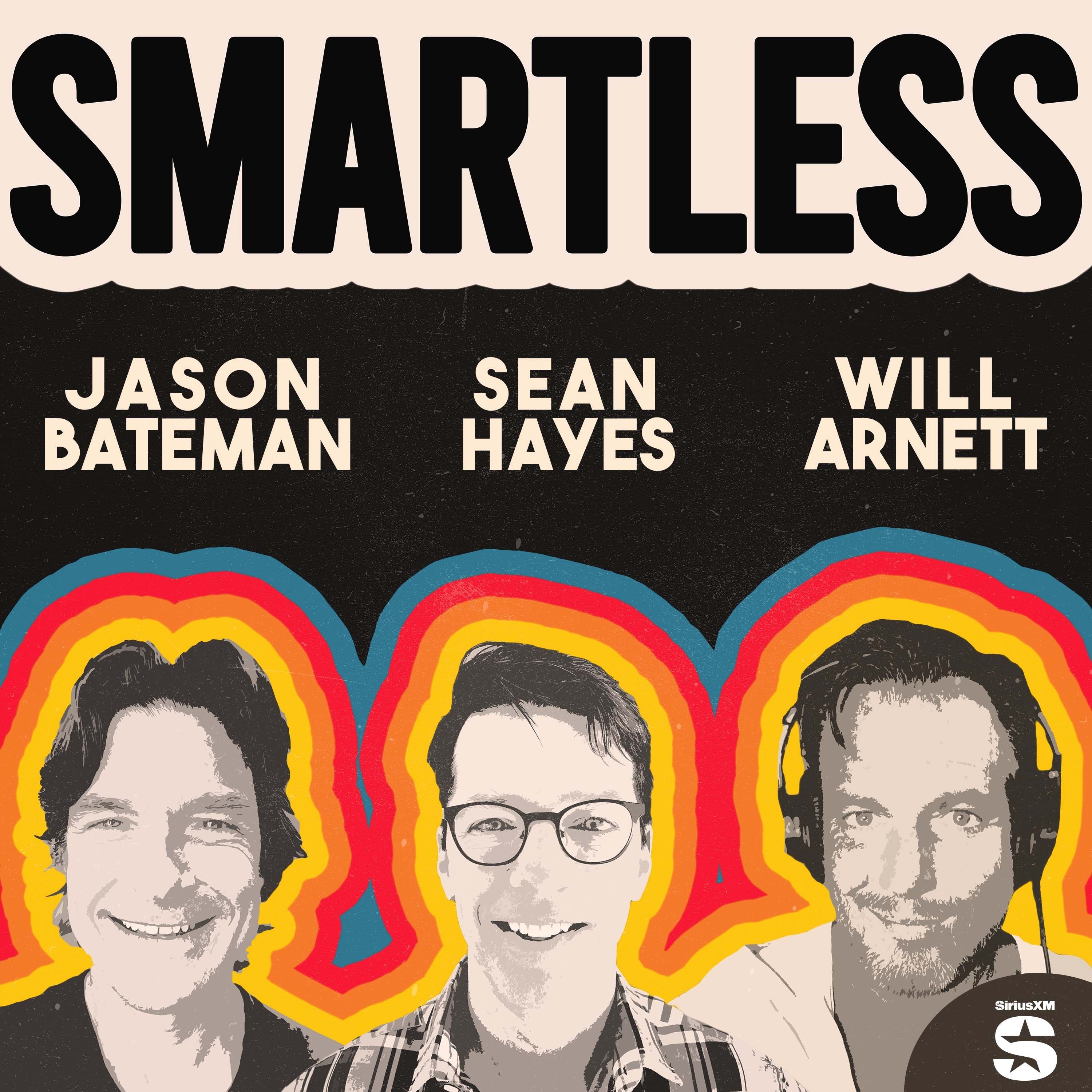
"Jon Bon Jovi"
Press play and read along
Transcript
Speaker 1 If you're like me, some of the footwear you've bought in your life actually doesn't last for a very long time, and you wish it did, but some things are actually built to last, and that's the promise of LL Bean, crafting boots built to last over a century.
Speaker 1 Bean boots carry that tradition forward, handcrafted in Maine since 1912 with full-grain leather, durable rubber bottoms, and triple-needle stitching.
Speaker 1
Built for the outdoors, they handle rain, mud, and snow. With over a century of timeless design, they don't chase trends.
Each pair becomes more personal, more distinctive, and uniquely yours.
Speaker 1 LL Bean boots are simply best worn. Find your pair at LLB.com.
Speaker 1 Nobody wants to spend the holiday season clicking from one site to the next to get their hands on the best brands. But who knew Walmart has the top brands we all love?
Speaker 1
Like the big names that your friends and family actually want, and all in one place: Nespresso, Nintendo, Apple, you name it. Get the brands everyone loves at prices you'll love at Walmart.
Who knew?
Speaker 1 Go to walmart.com or download the app to get all your gifts this season.
Speaker 1 Okay,
Speaker 1 I am really excited. Um, about
Speaker 1 I've got some great news
Speaker 1 about
Speaker 1 um well, it's about uh
Speaker 1 it's about today.
Speaker 1 Oh, what's happening? Yeah,
Speaker 1 um, we are um well fuck you're gonna find out it's an all-new smartlist. Smart
Speaker 1 Smart
Speaker 1 List
Speaker 1 Smart
Speaker 1 List
Speaker 1
That was you guys. Hi.
We just had a little connection problem with Will. It sounded like you were Hal from 2001.
Speaker 1 I'm glad you got it all worked out. I know me too.
Speaker 1 Was there a ghost in the machine? I guess so. Right? That's
Speaker 1 a band.
Speaker 1
That was an album the police did. It was by the police.
Very good album. By the way, the police.
Yeah.
Speaker 1
You know, I just, I used to listen to them all the time, and we don't hear about them in, in, you know. Well, because Sting went off on his own.
I know, but it's just a good, good memory.
Speaker 1 When he went on his own,
Speaker 1 is it accurate to say that he defunded the police?
Speaker 1 Wow.
Speaker 1
I don't know. It's early.
It's early. It's really early.
It's early. What am I going to do? They're not all going to be home runs, JB.
Speaker 1 Jason, so did we miss you on Sunday because we missed, because you just weren't feeling it or were you out of town? No,
Speaker 1
I was flying flying back to work. I left at noon.
Oh, that's right. Yeah.
Speaker 1 Apropos of nothing, Shawnee, I was sent a picture from
Speaker 1 someone, you and Eric Idol
Speaker 1
in a picture together. It looked like it might have been a bowling alley.
That was a roller rink. Okay, so I was close.
That was just yesterday. Pretty close.
Speaker 1 And that was just sort of just like a date you guys had? Like,
Speaker 1 maybe meet me at the roller skating rink.
Speaker 1
Tell me what you look like so I can recognize you. First of all, that's crazy.
I wonder who sent you that. Was it Kevin Nealon? Eric Idol and I share an attorney, the great Tom Hoberman.
Speaker 1 Oh, okay, great.
Speaker 1 Yeah, no, it was Kevin Nealon's wife, Susan Yagley, who's a very funny actress person.
Speaker 1 She decided to have her birthday party at a roller derby, like a roller.
Speaker 1
What is that called? Roller rink. It's a roller skating rink.
Roller skating rink, yeah.
Speaker 1 And so I was told. Have you been drinking? Have you been drinking this morning?
Speaker 1
You feel like you've been. No, it's too early.
He's got a latte going. Have you been eating?
Speaker 1
No, not at all. No.
You haven't eaten anything yet. And so Scotty, I was really nervous.
No, I haven't eaten anything. So Scotty, I was really nervous.
So I didn't eat anything.
Speaker 1 Scotty's frying up some donut holes.
Speaker 1 But they did have like pizza and cake and
Speaker 1 all that. It was and popcorn.
Speaker 1 I described Sean the other day as junk food curious.
Speaker 1 Hey, were there any terrible accidents there at the roller skating rink? Yeah, because you really, really hurt yourself.
Speaker 1 Do you have any good roller skate ring accidents or way to ask the guest? Yes. So, Scotty, so I didn't want to put him on because I'm on blood thinners.
Speaker 1 I'm almost done with my blood thinners because of my AFib, right?
Speaker 1 What does a roller skating accident have to do with it? Because if you hit your head or something, you could bleed, like, you could bleed out and die. Oh, way to think about the worst case scenario.
Speaker 1 So, anyway, so I was there. So, the first 30 seconds, my friend Kevin, who you've both met, Kevin and Carrie, Kevin, bam, mashed his head on the, on the fucking wood floor, wiped out immediately.
Speaker 1
And so I ran over to him. I was like, are you all right? You're right.
He's like, yeah, no, I go, are you seeing stars? And he's like, no,
Speaker 1
which meant yes. When do they get here? That's a bummer if he looks at you and he says he's not seeing any stars.
I mean, that's got to.
Speaker 1 That's insult to his injury. You know?
Speaker 1 Will, you really, I'm glad you rebooted.
Speaker 1
Yeah, somebody slept really well. Yeah, I did sleep well.
Anyway, roller derby, but good idea for our birthday party, right? For an adult. Sounds like not a good idea.
Speaker 1
It's up there with an ice skating. You've just described why it's not a good idea.
No, Kevin's totally fine. Oh, good.
Is he?
Speaker 1 But I walked because I didn't want to put the skates on, so Scotty had skates on, and I walked with him around the thing while he skated. And that's so dumb.
Speaker 1
A little bit. Yeah, it's kind of on brand.
You know, now they've got at these, at these rinks, you know, like an old man, old woman walker that can help you ice skate or roller skate.
Speaker 1 They didn't have that in my day. You just had to
Speaker 1
get the hand on the wall. Yeah.
Yeah. Yeah.
Speaker 1
But, but, so Eric Idol was there. I never met Eric Idol from Monty Python.
I was like, oh, my God. What a genius.
Yeah, incredible. Really nice guy.
Did he
Speaker 1 ask for like a drink from you or was he like, hey, can I get a Diet Coke?
Speaker 1 Bring my car up, boy.
Speaker 1 He was really nice. Whose guest is it today? It's my guest.
Speaker 1 And how do you feel about your choice today, Will? I feel really, really good. Really? Yeah, you know why? You know what I like?
Speaker 1 I like international superstars
Speaker 1 a lot.
Speaker 1 This is a legit.
Speaker 1 Are we going to see stars? Are we going to see stars? You're going to see a major international superstar, and I'm embarrassing him, but it's so true.
Speaker 1 But on top of it, or sort of not on top of it, beneath it, he's a really, really, really great guy that I've had the good fortune of spending a little bit bit of time with over the years.
Speaker 1 Super, super good dude.
Speaker 1 And then you forget that he sold
Speaker 1
gajillion records. That's right.
I mean, a gajillion records over the years as a member of a rock and roll Hall of Fame band. And then as an
Speaker 1
equally impressive solo career, he's in the Songwriters Hall of Fame. He has written multiple massive hits, and he's an actor, and he's an incredible philanthropist.
And he's got a new docuseries
Speaker 1 about his story.
Speaker 1 I think it's called Thank You, Good Night.
Speaker 1 Yeah, guys,
Speaker 1
friends. Once I start getting, if I start saying specific things, you're just going to guess it.
So I'm just going to say, guys,
Speaker 1 please allow me to introduce you to the one, the only, the phenomenal, Mr. John Bon Jovi.
Speaker 1 Wow.
Speaker 1
That's triple-A-list. Look at it.
I mean,
Speaker 1 triple.
Speaker 1
No one sings higher. Yeah.
Or better. Or better.
Speaker 1 Or better. Oh, my God.
Speaker 1 John Bon Jovi.
Speaker 1
I saw John like six months ago or something last summer, and I was like, would you ever consider doing our podcast? And he said, yes. And it took a minute to organize.
He's a very busy man.
Speaker 1 And I'm so happy you're here. John, good to see you, man.
Speaker 2
I'm so happy to be here. I'm a huge fan.
I listen all the time and I watch the entire
Speaker 2 series that you guys did on it.
Speaker 1 All the crazy documentary.
Speaker 2 In the dead of winter.
Speaker 1
Yes, it was great. It was great.
Listener, we have John Bon Jovi from the White House.
Speaker 1 You look like you're in the kind of place I would love to live.
Speaker 1 You're doing well, clearly, right? This is a nice
Speaker 2 building of house envy just in the pre-roll when you were talking about John's house.
Speaker 1 Well, look at me. I'm doing a hostage video here.
Speaker 1
I need to up my situation. But no, and I see a Patriots jersey.
Are you a Patriots fan?
Speaker 2
Oh, yeah. Look at, I I see the background in my office.
Yes, I'm a huge Patriots fan. That is Bill Belichick's hoodie.
Speaker 1
Now, oh, my God. They're right, the short sleeve.
Why did he wear a short-sleeved hoodie?
Speaker 2 Fashion statement, right? Yeah.
Speaker 1
Fashion. Well, no, also, he might run hot.
Like, he wants the thing, but he also runs a little bit hot. My question is,
Speaker 1 who cuts them? Do you know, John, who cuts them?
Speaker 2 I don't know who cuts them. No, knowing that when you look closely, I think he probably, I think he cuts them with a butter knife.
Speaker 1 Yeah. I don't know.
Speaker 1 And just has an odd, he's got sweaty forearms. And I've never met anyone with that.
Speaker 1
Maybe Thoreau came over and gave him the snip. It might be Justin.
Maybe. He's giving Justin Thoreau a run for his money.
Speaker 1 Well, listen, I think if you're winning that many championships, you know, you're doing something right and he doesn't want to mess with whatever system he's got going.
Speaker 1 Why do you have director's chairs there? Just to hang out in?
Speaker 2
Because I'm a groupie. And when I did my little movie career, I actually stole the entire chair, not the back.
You guys that make real movies, I took the whole chair.
Speaker 1 I took the whole chair.
Speaker 1 Well, you made a bunch of movies. I want to get into that in a minute.
Speaker 1
You've done a lot, actually, quite a surprising amount of acting. Yeah, that's surprising.
That's a nice career. Yeah, I think that, but you started as a singer, as a musician.
Speaker 1 And I kind of want to talk about
Speaker 1 how you know you could sing. Well, yeah, like what was that first thing? Growing up in New Jersey, what was that early music scene and how did you plug into it?
Speaker 1 You know, how do you get, how do you get started? Yeah.
Speaker 2 What do you do? Any kid that's all of our ages
Speaker 2 thinks of three things when they're 13. You want to be a baseball player or a rock and roll star or an astronaut.
Speaker 2 You strum the tennis racket and you think you can sing.
Speaker 2 When you're playing in the garages in the school dance with your first band,
Speaker 2 the benefit of that for me was that the drinking age in New Jersey was 18. So at 16, I could be playing in a bar.
Speaker 2
And I loved it so much that I didn't have the, and I didn't have the responsibilities of a career path yet, a job, a higher education thought. You know, it was just music, music, music.
I like music.
Speaker 2 And because my parents were somewhat supportive, their attitude was, if you're going to be in a bar at one or two in the morning, at least we know where you are. And they saw that I was.
Speaker 2 you know, really, really wanting to pursue that career path. And then I was also blessed because, you know i wrote runaway when i was 20 so i got a record deal at 21.
Speaker 1 yeah i want that was your first hit in in
Speaker 2 1983 i put that out independently without the band and then uh got a record deal and it's been the same record deal for 40 years wow that's great
Speaker 1 was it ever was did you so you started singing so young uh that
Speaker 1 was it was it was singing uncool at that age you know because like when i was a little kid like I always just thought singing
Speaker 1 was not cool because I was so young. What was it like at your age when you did it?
Speaker 2 All the center folds of Circus Magazine was pretty cool.
Speaker 2 You know, in the late 70s, it was like Zeppelin and Aerosmith and Queen and Leonard Skynyrd and Springsteen and all the.
Speaker 2 And then remember that Bruce Springsteen and Southside Johnny were from 25 miles south of my house.
Speaker 2 So chances are with 10 Asbury Jukes and seven members of the E Street Band, by playing in those bars, you're going to see real live rock stars.
Speaker 1 Right.
Speaker 2
And when you're 16, that's like seeing Santa Claus. Yeah.
You know, so all of these things were incredibly inspirational.
Speaker 1 And being a lead singer in a rock band, Mr. Jason
Speaker 1 was pretty fucking good.
Speaker 1 Yeah, I was thinking more about ballads, probably, in my head, opposed to a rock and roll.
Speaker 2 No, the ballads work. The ballads work.
Speaker 1
They work too. Are you kidding? Of course the ballads work.
Are you crazy, JB? Think it through, dude.
Speaker 1
Yeah. Are you, but here's what blows my mind about your voice.
I always comment about how like your
Speaker 1 pipes are just incredible. The fact that...
Speaker 1 Whoa!
Speaker 1 I mean, that's like way, way, way, way up there. And not a lot of people can do that.
Speaker 1 And where do you find at such a young age? Because people are already trepidatious about opening their mouth. And am I going to be able to sing? And you're just wailing.
Speaker 1 Like, where does that confidence come from? Like, to really go for those notes at such a young age and write those songs that are massive.
Speaker 2 Naivete. It was, I was too stupid to know any better.
Speaker 1 Yeah, I didn't study.
Speaker 2 Really? You just got in front of a mic and yelped until it made sense. Yeah.
Speaker 2
You know, I regret that's a high C, Sean. That note is a fucking C.
It's crazy.
Speaker 1 It's like a soprano.
Speaker 2 It's not good. You know, when you're, I'm going to be 62 Saturday.
Speaker 1 I'm 62 years old.
Speaker 2 Happy birthday. Hitting a high C.
Speaker 1 Can you do it?
Speaker 2 I can squeak out a C, yeah. Right.
Speaker 1 So does it, does it, does it start to leave just like, you know,
Speaker 2 big thing about this huge documentary that we just did, the parallel story, and Sean, you'll, you relate to this. I went, I underwent a massive surgery for the first time in my life.
Speaker 1
In your throat? For your vocal cord? Yeah. Oh, wow, wow.
I didn't know that. That was scary.
Speaker 2 Yeah, that's what I'm going through right now. And hence, this.
Speaker 2 But what not your typical nodule?
Speaker 1 Yeah.
Speaker 2
Because I really have studied singing for a lot of years. You have? But I had what's called now a medialization.
And if you're at all familiar with that,
Speaker 2
one cord was atrophying while the strong one was pushing the weak one around, and I wasn't singing well. And it was, I couldn't understand it.
And this is all in the last two
Speaker 2 years since the surgery. And they put a plastic implant outside the cords to strengthen them.
Speaker 2 So I'm still in the rehab stage. And it's disheartening.
Speaker 1 John, when you first, what was that like when you first noticed that? When you had that, do you remember having that first thing of like, shit, I'm not, yeah?
Speaker 2
Yeah, and what you would do is compensate. You know, you're like, well, that didn't work today.
So let me do it this way. Let me do it this way.
Speaker 2 And finally, you're standing on your head trying to hit a note. And you would compensate
Speaker 2 to a point where
Speaker 2 it just wasn't very good anymore.
Speaker 1 And other things start getting out of whack.
Speaker 2 Way, way out of whack. And then your mind.
Speaker 1 How are you feeling now? How's it going?
Speaker 2
I'm 20 months post-surgery. I would say I'm 90% there.
And you still got to get the ghosts out of the machine, as you guys were saying. The ones in your head.
Yeah.
Speaker 2 You know, the ones that are saying now that you're over
Speaker 2 back to,
Speaker 1 let's just say you don't have to compensate anymore your mind still has to remind your body that it's fixed yeah you don't have to compensate anymore so you're right right what about the the absolute panic and horror of going under the knife and and when i wake up i hope that a i can i can speak and in julia world i can still sing like i'm sure your research on doctors must have been intense yeah and this is what i do right this is this is
Speaker 2 i'm a singer yeah the doctor i knew the the doctor that did julie andrews so we all you and i both know that story and you went to him too and so did i for a lot of years yeah
Speaker 2 and then uh but the guy that i found in philadelphia the greatest thing he said after i exhausted everything every bit of what i call voodoo every eastern medicine every laser every
Speaker 2 dietary singing lessons everything i possibly could And I did 15 shows and it just was not working. And I went to see him and I said, I can give you 100%
Speaker 2 of 80%.
Speaker 2 And he says, isn't that good enough? And I said, no, I'm going to quit. He says, now we can talk about this surgery.
Speaker 2 And he says, and I guarantee you nothing. He says, but if you work hard, this will give you your best shot.
Speaker 2 So I've been diligent in my recovery and hoping that, you know, everything's going to be all right.
Speaker 1 But I don't know. Are you bullish on being able to get out there and tour again?
Speaker 2 I'm hoping to be.
Speaker 2 I'm being bluntly honest. You know, know, if I'm not great, I'm not going.
Speaker 1 Well, but but but but but but hang on. I mean, like there are plenty of musicians and bands that I would easily pay top dollars to.
Speaker 1 Yeah, but so even if they but even if they can't make the song sound like it did when they recorded it fucking 30 years ago,
Speaker 1 I still want to see them doing it and just move the mic away from their mouth a little bit when they reach for that high seat.
Speaker 1 Like, I mean, but look at John's like John, but you're providing more than you know, incredible singing. You guys
Speaker 2 watch YouTube.
Speaker 2 I'm not interested.
Speaker 2 Not interested.
Speaker 1 Well, what about your bandmates?
Speaker 1 Are they understanding of that position or are they saying, fucking, come on?
Speaker 2
No, you know, we are, we are actively rehearsing. We did a couple of days this week.
Everybody was here in New Jersey,
Speaker 2
just running it hard for a couple of days and seeing measuring the progress. Oh, that's great.
Because I have this great new record. I feel optimistic about the record.
I love the film.
Speaker 2 A guy named Deep
Speaker 2 Deepak, Gotham Shopra, Deepak's son directed it. It was a two-year
Speaker 2 four-part docuseries that'll air on Hulu. But I'm very happy with it because it's on the band.
Speaker 1 Yeah. Yeah.
Speaker 2 It's our 40th anniversary right now.
Speaker 1
I can't wait to see that. Mind-blowing.
40 years.
Speaker 1 I feel like I became really, well, like a lot of people, really well aware of you guys with the massive first of all your massive hit living on a prayer which
Speaker 1 well there's tons of yeah you know I mean there's tons of
Speaker 1 ten different
Speaker 2 of course but that's what I'm sort of like for me that was the first one that really I was like holy shit and that you guys kind of do you remember the first time playing that when it was a hit and playing it in front of an audience and everybody going like fuck yeah like maybe not the first time but what was interesting about that song is we really didn't know know what we had because it was so different, it didn't sound like anything on the radio, and you know, it had a Motown kind of a bass line, it had the boy-girl story that is almost Shakespearean at the end of the day, you know.
Speaker 2 And it's, it's, it's, it's so,
Speaker 2 You Give Love a Bad Name was the first single on that record, and it was a number one song, and that was pretty evident and obvious that it would be.
Speaker 2 But when we put out Living on a Prayer, I thought, yeah, it should be second because who knows what it's going to do. And then, of course, you know, it's one of the biggest pop songs of all time.
Speaker 1 We'll be right back.
Speaker 1
Today's episode is sponsored by Ashley. They don't just sell incredible furniture, they're also making an impact in vulnerable communities.
Here's a tough fact.
Speaker 1 Over 7 million kids are affected by the welfare system and over 368,000 are currently in foster care.
Speaker 1 So, together with Ashley and SiriusXM, we made a donation to four others, an organization working to end the child welfare crisis in America.
Speaker 1 You know, partnering with Ashley in our live show, first of all, they just made our set look really good. They made us really comfortable.
Speaker 1 And they kind of made us look legit because otherwise it would have been, you know, milk crates and,
Speaker 1 you know, cardboard boxes. And Ashley made it look like a real, kind of looked like a living room, made it really comfortable, made our guest, John Mayer, really comfortable.
Speaker 1 And then he thought that maybe we were professional, we're not just a bunch of clowns. To be honest, there was a point where I got so comfortable I forgot that I was in front of an audience.
Speaker 1 I was sitting back on that nice Ashley couch and I was just hanging out with my buds in my living room.
Speaker 1 Anyway, Ashley offers timeless, well-crafted furniture with white glove delivery right to your door. Visit your local Ashley store or head to Ashley.com to find your style.
Speaker 1 Some like it hot, but for most, a little spice goes a long way.
Speaker 1 Doritos Golden Sriracha flavored tortilla chips are the perfectly balanced blend of yellow and green srirachas for a chip that's tangy and sweet with just the right amount of heat.
Speaker 1 Doritos Golden Sriracha are spicy, but not too spicy because Doritos knows bold flavor doesn't have to mean just heat. Try Dorito's Golden Sriracha for yourself.
Speaker 1 Look for them wherever Doritos are sold or find a store near you at Doritos.com. Doritos for the bold.
Speaker 1 This is an ad by BetterHelp. Have you ever had someone that you haven't reached out to in a long time and you're just like, you know what, just do it.
Speaker 1
I just did that recently and it was such a wonderful experience. We had a great lunch, a lot of catching up, and I'm so glad we did it.
It was great.
Speaker 1 As the seasons change, shorter days don't have to weigh you down. This season, BetterHelp encourages you to reach out, check in on friends, reconnect with loved ones, and remind them you're there.
Speaker 1 Just like it takes a little courage to send that text or grab coffee with someone you haven't seen in a while, reaching out for therapy can feel difficult too, but it can be worth it.
Speaker 1 It can leave people wondering, why didn't I do this sooner? With over 30,000 therapists worldwide, BetterHelp is one of the leading online therapy platforms. BetterHelp therapists are fully qualified.
Speaker 1
BetterHelp does the initial matching work for you. so you can focus on your therapy goals.
This month, don't wait to reach out.
Speaker 1 Whether you're checking in on a friend or reaching out to a therapist, BetterHelp makes it easier to take that first step.
Speaker 1 Our listeners get 10% off their first month at betterhelp.com slash smartlist. That's betterhelp.com slash smartlist.
Speaker 1 And now back to the show.
Speaker 1 Can I tell you something about you give love a bad name? I guess my first dog, my first dog was named Buzzy.
Speaker 1 And when I was, when I was, yeah, yeah, when I was potty training him, he would go outside and he would poop on the lawn. So it changed the words from whatever, you know, from what they are to,
Speaker 1 there's poop on the lawn and you're too blamed, Buzzy. You give dogs a bad name.
Speaker 2 I love that. Thank you, Sean.
Speaker 1 You're welcome.
Speaker 1 There's poop on the lawn and you're too blamed. This is the family member that you just stop inviting.
Speaker 1 No, we're not having Thanksgiving this year, Sean. Sorry.
Speaker 1 Wait, but I have other stories.
Speaker 2 Sean, tell me more about your music career because I didn't get the chance, but Dorothea saw the play.
Speaker 2
Oh, good. My wife saw the play and was talking so incredibly about not only your playing, but you're singing as well.
How did you keep it eight days a week?
Speaker 1
Well, that's so nice. It was just a play.
I didn't sing, but I played.
Speaker 2 Oh, you didn't have to sing?
Speaker 1
No, thank you. I'll never do that again.
But his voice, she was probably talking about he did a whole different voice for this character. That's right.
I remember Will and I kind of,
Speaker 1
did we look at each other? Like, when he came out, I think we've told this story. It's such a big swing.
A big swing. We looked at each other like, oh boy, here we fucking.
Speaker 1
Because it's one of those moments, John, where you're like, it's either going to be great or it's going to be terrible. Yeah.
And what are we going to say to him backstage?
Speaker 1 And like 30 seconds past that point, it's like, oh, no, we're in good hands. He's playing this off.
Speaker 1 And it was a big, it was a different voice, a whole gait and everything.
Speaker 1 I said to Jason when I saw him right after the show, I said, can I guess your thought bubble when I first came out? He said, yeah. And it was just, uh-oh.
Speaker 1
Wait, John, did you ever do Broadway? Did you ever do the show on Broadway? No. God, you weren't.
No, great.
Speaker 2 The stage to me is the, you know, the stage. So
Speaker 2 I didn't need that.
Speaker 2 I didn't need that even in the learning experience for me when I went into to try to to learn to act and I studied for a couple years before I ever even went for an audition it was the opportunity to grow in the arts it was just a different avenue in the arts that I could bring that back then to the fold different material to write about different humility standing on the audition line and you know being turned down before you even walked into the room yeah and all of that humility that i brought back while i was learning about the craft was incredibly performative.
Speaker 1 What was your feeling about that as you were starting to learn about acting and quote unquote study it?
Speaker 1 And because I'm always sort of a little pessimistic about if it's something we can learn to do, I think it's all something we all know how to do. It's just freeing yourself up.
Speaker 1 But like, did you think it was like, oh, this is a real craft, a real art form that I'm enjoying? Or were you like, oh, this is just learning how to be full of shit?
Speaker 1 I mean, both are valid, both are true, but there's just different perspectives on what it is. And where did it find itself on you?
Speaker 2 I just have too much respect for y'all. And I immensely respect the craft.
Speaker 2 And I wouldn't dare think that even Pacino or De Niero, if I put a microphone in their face and said, sing me a song, that they'd be any good at it.
Speaker 2 I think in order to be good at it, you should learn how to do it.
Speaker 2 And so I studied for two years, privately, not in classes. but privately until I was confident enough to even try to get an audition.
Speaker 2 I had too much respect for it.
Speaker 1 And what was the one things
Speaker 1 that made you feel like you wanted to take on that challenge of expanding your creative juices from music to acting?
Speaker 2 I had had
Speaker 2
five records by that point, and Slippery was our third. It was a monster.
New Jersey was a monster. Then I wrote the soundtrack to the Young Guns record, and
Speaker 2 I win all the awards with that. So there was this kind of stupid ego moment in the band's history where you're like, you think you're too smart.
Speaker 2 The incredible thing about starting over with something in the arts that you know nothing about, but you've had so many other life experiences,
Speaker 2 it brings you a great humility. And so that when you take that back to music,
Speaker 2 it was an opportunity for me to share that with the guys and for them to then learn from that. You know, and it humbled all of us to go.
Speaker 2 I think that's a big reason why when we went into the 90s and the grunge movement happened, we didn't even slow down.
Speaker 1 We still had hits.
Speaker 2 We still kept going. We had more international growth than ever.
Speaker 2 And all of that was, I think, a direct result of my sitting in that basement apartment in Manhattan with Harold Guskin for years, you know, getting yelled at.
Speaker 2 And so I really, really loved the process of acting.
Speaker 2 The bitch was whenever, and you guys know this well, I would go in and they'd say, anytime you get a spark in this town, you take off for a year and go on the road.
Speaker 2 We don't think you're serious about it. I said, I'm fucking serious about it, but you pay me two cents
Speaker 2 and I'm six on the call sheet. Right.
Speaker 2 What am I going to do here? There's a stadium waiting and you know, wherever. Right.
Speaker 1 Right, right, right. What was that first film?
Speaker 1 I remember you did.
Speaker 2 Moonlight and Valentino was a girly person.
Speaker 1 Moonlight and Valentino, yes.
Speaker 2 Yeah, with Gwyneth and Whoopi and Kathleen Turner and Liz Perkins.
Speaker 1 So do you remember the first? So let's talk about that. So you, you, I mean, you talk about it, it, but like you're a massive international superstar rock star.
Speaker 1 And then you go on the set of this movie and it's a new thing that you've just been sort of learning about that first day on set, that first take.
Speaker 2
Oh, yeah. So I say, I'll never forget it.
The director was a guy named David Onspot who had done Hoosiers and Rudy. And so he was a guy's guy writing those kind of movies.
Speaker 2
He's got four ladies as his stars. I'm the cute, you know, house painter.
We're doing take two, take three, take four.
Speaker 2 After the girls are giving him like one take a piece and walking off the set, and he's going take two, take three. And I walked over to him.
Speaker 1 I said, David, I'm sorry.
Speaker 2 We have to do so many takes. I'll pay for the film.
Speaker 1 He's how we make movies.
Speaker 1 I'll pay for the film.
Speaker 1 Now,
Speaker 1 were you
Speaker 1 nerve-wracking, though? Yeah, I'll bet it was nerve-wracking. But did you find some sort of encouragement and inspiration that
Speaker 1 you weren't the first of like sting and david bowie were they did some great oh yeah performances was that was that inspirational for you
Speaker 2 no because they'd all by by definition
Speaker 2 weren't successful
Speaker 2 you may look back and think that those movies you know were cool right but you know they were we were as musicians told you do either or right you know bowie and and and madonna and whatever were you know no there's musicians that want to act.
Speaker 2 They're not allowed to freely do both the way Sinatra could.
Speaker 1 But what were your expectations?
Speaker 1 You weren't possibly looking to match your level of success with acting that you had.
Speaker 2 It wasn't based on success. It was based on opportunity.
Speaker 2
So that the opportunities just kept going down and down and down. And then suddenly you're making like an indie to an indie.
And I'm sitting on the curb outside of CAA, like with a tear in my eye.
Speaker 2 But what have I done?
Speaker 1 But you, did you find that, I mentioned that you're in the Songwriters Hall of Fame, you're such a great songwriter and lyricist and music and everything. And
Speaker 1 did you find when you were acting throughout the years,
Speaker 1 did you find that sort of common thing as an artist as you're doing it, sort of the beats of it? Was there a commonality between being a performer, being a singer? songwriter and being an actor?
Speaker 1 What was that kind of...
Speaker 2 I think there are commonalities. But again, I think the biggest thing to me was that finding something else in the arts that gave me an opportunity to grow.
Speaker 2
It wasn't like I went from singing to building cars, you know, one has nothing at all to do with the other. This is another way to emote.
This is another way to tell a story.
Speaker 2 This is more information for me to write about because, you know, all I had to write about between 21 and 30 was life on the road, to be honest with you.
Speaker 2 I was nowhere near as seasoned a man as Bob Dylan or Woody Guthrie. You know, I was writing pop songs in a rock and roll band, you know, in a very sheltered middle American white suburban life.
Speaker 2 So, you know, going and learning about, I don't know, Tennessee Williams and coming home and writing something and thinking, ooh, you know, why did I get to write Blaze of Glory and the whole Young Gun soundtrack when my hands on a script?
Speaker 2 I know how to do that.
Speaker 1 Does it still hold interest for you? Where does it sit now for you at the acting?
Speaker 2 I would have to stop doing music and go back to really working hard on the craft. You know,
Speaker 2 I have far too much respect for it to think, sure, send me a role. I'm ready to go.
Speaker 1 Yeah. Well, is it sitting there sort of in second position to
Speaker 1 what as you start to see, like, let's see how the voice does. And if they're, yeah, and if, and if the voice is not to your standards, maybe we can look forward to seeing more acting from you?
Speaker 2 I wouldn't be, I wouldn't say no for sure. I would just make sure I did it right.
Speaker 1 Yeah. What about producing music or producing other artists?
Speaker 2 i did all that early on i don't need it i don't need any any more egos
Speaker 1 i got a big enough one myself okay well sean you can log off
Speaker 1 hey did you forgive me um did you see did you see the we are the world documentary yes yeah yes wasn't that
Speaker 1 yeah incredible i want to see all those people coming together wow and i'd never even
Speaker 2
thought about that they were there through the night. Yeah, and it's six in the morning.
They're waiting for their solo line.
Speaker 2 And like, you know, Bruce and Cindy Lauper are just cockeyed still, just being good sports about it.
Speaker 1 Well, I mean, you were missed in that. I was like, where's
Speaker 2
I was just a little too young. Yeah.
It was, I had two albums out by that point. I wasn't big enough.
Oh, all right. I wasn't big enough yet.
Speaker 1 But go, go back to the performing like in big arenas and shows and stuff and fans and dealing with fans and stuff like that. Is there any kind of, was there any kind of moment?
Speaker 1 Have you ever had like any kind of crazy happening on stage with the fan that would just completely completely threw the show?
Speaker 2 Sure. I mean, all the cliche, you know, stuff.
Speaker 1 People screaming and that kind of stuff is rushing the stage. Girls throw you their underwear.
Speaker 2 I mean, you're the one who's everybody got to be.
Speaker 2 That's not even original because, you know what I mean? It's sort of every kid got to be Justin Bieber to Justin Timberlake, all the way back to Elvis. You know, it's just, it's
Speaker 2 Harry Styles, you know, all that. Yeah.
Speaker 1 And how do you or any of those people you just mentioned avoid the intoxication and complete transitioning into,
Speaker 1 well, I'm God and it's never going to be anything different. And you end up buying the ego that you, in retrospect, should have been renting.
Speaker 1 But like, how do you avoid that big pitfall of it's never going to be any less than this? Because you're, you're in a, you're in a 460 or sorry, 360 of
Speaker 1 idolization that has got to be impossible to not
Speaker 1 jump into. Yeah.
Speaker 2 I don't know. I mean, for me, it was
Speaker 2 not being there
Speaker 2
where y'all are. For me, that was one thing.
I bought the house in Malibu.
Speaker 2 I bought the house on the beach in Malibu.
Speaker 1 And
Speaker 2 my wife and I looked at each other and said, not for me. You know,
Speaker 2 but I, because I knew what the lifestyle was, and we were caught up in it.
Speaker 2 A lot of those people, you know, we had a house right on the beach, right? We're all at the height of everybody's craziness.
Speaker 2
And that that was one of the things that we said, let's go back to New Jersey where there's no Joneses to keep up with. Right.
You know, let's go back to what we know.
Speaker 1
You mentioned it, John. Your wife, Dorothea, who I've also had the great pleasure and honor of spending a little bit of time with and getting to know a little bit.
And she's such an awesome person.
Speaker 1 And I was thinking, like, yeah,
Speaker 1
you didn't fall into any of those pitfalls. You grew up.
I mean, and when I say grew up, I mean like, sir, your 20s, those formative years, you were a massive star. Was that,
Speaker 1 was
Speaker 1 you and Dorothea kind of, were you guys in it together? Did that help keep you grounded?
Speaker 2
Absolutely. We've been together since high school.
Yeah. So
Speaker 2
for us, that was, yeah, we grew together. Yeah.
Yeah. So she's seen the whole ride.
And then, you know, she didn't have to buy into something or I didn't have to doubt her commitment to it. And then.
Speaker 2 I could fall in the gutter throughout the course of it and she could say, okay, I got it. I know why.
Speaker 1 And, you know, let's pick it up and go from here so yeah I give her the credit for so much of it yeah how lucky how lucky are you that you have that you had this partner with you oh I know right yeah we're married 35 years already Bono went through the same thing right his wife like it's just incredible so John I always you know we always talk about to people who are in the music world about like chicken and the egg do you write the lyrics do you write the music first talk about your process like what inspires you to uh write a certain certain way as opposed to other.
Speaker 1 And do you like
Speaker 1 your voice lends itself to ballads so much more than the other stuff? And it's all great, but you have such a lyric voice.
Speaker 2 Well, thank you.
Speaker 2 It's come both ways, but for me,
Speaker 2 I would like to say that just a slim majority of it comes from a title first, because for me, that dictates the feel of the music.
Speaker 2 And then, you know, I write that.
Speaker 1 It's like something that you like.
Speaker 2
You know, Wanna Dead or Alive is, you know, that kind of a feeling of an open D chord. It just, it just, it calls for that.
And Better Roses would call for something else. You know,
Speaker 2 that was, it was sort of meant to be written on the piano.
Speaker 2 But the process depends on the situation. And we had a record out in the midst of COVID called 2020, and it was a topical record.
Speaker 2 So it covered everything from gun control to George Floyd to COVID to an introspective topical record released into a black hole of COVID that I couldn't promote, I couldn't tour.
Speaker 2
And it's good that I was able to do that. I was very proud of it.
This record post-surgery and the process, because there's no happy ending yet, is that I'm finding joy for the first time in a decade.
Speaker 2
I'm truly finding joy. I haven't had joy.
In a decade.
Speaker 1 Why?
Speaker 2 Wow. Because of the voice.
Speaker 2
I was honored just recently at this music cares event two weeks ago, three weeks ago in LA. The Grammys pick one person to celebrate their catalog.
And in my case, the Philanthropy.
Speaker 1 Michael McDonald's involved with that.
Speaker 2 Yeah. And
Speaker 2 I was this year's
Speaker 2
honoree. And on the Saturday morning after the night, I woke up and I was like, Something's weird.
And I went, I know what it is. It's the first time in 10 years the only voice in my head was mine.
Speaker 2 No doubt, no fear, no second thoughts. You know, it's just, I had fun last year.
Speaker 1 Would you have, would you have,
Speaker 1 despite your, despite the surgery.
Speaker 2 I would have been myself this shit for the last decade.
Speaker 2 I would have beat myself up.
Speaker 1
I do it daily anyway. Yeah.
And I don't have anything wrong with it.
Speaker 2 I don't like that, Sean. I'm fucking tired of it.
Speaker 1 Yeah, yeah.
Speaker 2 Tell me how you stopped doing it.
Speaker 1 What a beating yourself up.
Speaker 1
Yeah. But you know what I always say? Like we were talking about this a while ago.
Like
Speaker 1
if if beating yourself up, or putting yourself down, if that cured you, then we'd all be fixed, right? It doesn't work. Right.
It just doesn't work. Oh, right.
And it, you know,
Speaker 1 it's hard to, yeah, it's hard to,
Speaker 1 you know, stop that voice in your head that probably, you're probably a perfectionist. And so anything less than you, you start beating yourself up.
Speaker 1 I always beat myself up when I leave any social event at all.
Speaker 1 I'll get in the car and I'll be like, God, was that okay?
Speaker 1 I said that to that person.
Speaker 1
Personality hangover, we call it. Personality hangover.
Yeah, exactly. But Sean said to me once, I remember you, and you said, nobody's harder on me than myself.
Speaker 1 And I said, give me a shot.
Speaker 1
That's true. But, John, what was, Sean, what was bringing on the beating yourself up, just that you weren't having access to do your stuff? You know, like you were just.
Yeah.
Speaker 2 Yeah. It was like, you know,
Speaker 2
I was saying that, you know, the only thing that's ever been up my nose is my finger. And now suddenly God's taking away my tools.
And I'm like, I'm at my wit's end.
Speaker 2
And the crazy doctor says, I don't know what it is. And, but I just gave you all my trust.
Right. You mean you don't know what it is? Now I'm aimlessly out there.
Right. Take more drugs for it.
Speaker 2
Take another shot for it. Right.
Sean can relate, right? And I'm going down this.
Speaker 1
I mean, when I did, not the recent Broadway show, but I did another music. I did a musical one.
What was it called? Promises, Promises.
Speaker 1 Anyway, thanks. And
Speaker 1
I was on Prednisone for a year. Yep.
Yep. Just because you had a, it's always inflamed, always inflamed.
It's no life. It's no life.
No. And it gets you puffy, which
Speaker 1 is
Speaker 1 why I never take it.
Speaker 1 I thought your mic was not working for a second.
Speaker 1 And we will be right back.
Speaker 1 250 years ago, a promise was made to connect families and friends near and far. And during the holidays, that promise is more important than ever.
Speaker 1 That's why USPS is building a better network to meet your needs with timely deliveries, easy and affordable ways to ship, and everything you need to make your season full of holiday cheer.
Speaker 1
Their purpose is delivering your peace of mind, knowing your love will arrive, bringing joy to all. The United States Postal Service.
Learn more at usps.com slash holidays.
Speaker 1 One of the hardest parts about B2B marketing is reaching the right audience. So when you want to reach the right professionals, use LinkedIn ads.
Speaker 1 LinkedIn has grown to a network of over 1 billion professionals, and that's where it stands apart from other ad buys.
Speaker 1 You can target your buyers by job title, industry, company, role, seniority, skills, company revenue.
Speaker 1 revenue linkedin will even give you an extra 250 credit on your next campaign so you can try it yourself just go to linkedin.com slash smartlist that's linkedin.com slash smartlist terms and conditions apply only on linkedin ads
Speaker 1 Life is full of choices like deciding whether to try that new food trend, which celebrity story to believe, or if the latest show is worth a stream or a skip.
Speaker 1 At State Farm, their goal is to help you make decisions that you feel good about. And when it comes to choosing coverage, you can feel the same.
Speaker 1 The State Farm Personal Price Plan can help you create an affordable price when you choose to bundle home and auto insurance. You have options to choose from to help best fit your needs.
Speaker 1 It's about giving flexibility, offering coverage that makes sense, and supporting smart decisions for both today and tomorrow. So planning ahead feels easier and empowering.
Speaker 1 Talk to a State Farm agent today to learn how you can choose to bundle and save with the personal price plan. Like a good neighbor, State Farm is there.
Speaker 1
Prices are based on rating plans that vary by state. Coverage options are selected by the customer.
Availability, amount of discounts and savings and eligibility vary by state.
Speaker 1 And now back to the show.
Speaker 1 John,
Speaker 1 the frustration of not being able to, you know,
Speaker 1 perform and go out there and do, you know, throw your fastball
Speaker 1 was probably at the same time that you were probably more loaded with quality ideas and inspiration for stuff to write.
Speaker 1 And just because I just find the older we get, the smarter we get, the better we are at everything. And so
Speaker 1 are you now sort of approaching a possible
Speaker 1 where they match?
Speaker 1 I'm hoping.
Speaker 2
I think I'm on the verge. I think I'm on the verge of that.
Yeah. These last couple records
Speaker 2
that I couldn't fully celebrate these last couple records. I'm hoping and believing that I'm going to have that opportunity again when we do get to go out.
Yeah,
Speaker 2 that's the hope. Yeah.
Speaker 1 Honestly, John, that attitude, you have that, you kind of ooze positivity. I will say, I didn't realize that you were going through all this.
Speaker 1 And anytime I see you, you've always got such a great attitude.
Speaker 1
You come into a room, you shine light, you ask people how they're doing. I love that about you.
I think it's really great. And I also know you do a lot of, you do a lot of philanthropy as well, right?
Speaker 2 you you started you got the the john bon jovi uh soul foundation is that what it is the foundation and the kitchens yeah and the kitchens i mean this is great talk to us a little bit about what you do these guys don't know about this stuff it's awesome kitchens um a thousand years ago 20 years ago i used to own an arena football team my aspirations were to someday own an nfl team and it was me cutting my teeth yeah But in order to win in the community in Philadelphia, I said, we got to be more philanthropic than everyone.
Speaker 2
So that sort of was my first foray into this. We started to find something that anyone, everyone could relate to, which was affordable housing and hunger.
And so I started to do that.
Speaker 2 And everybody was like, yeah, bravo, good job. You know, Habitat for Humanity does this every day.
Speaker 2 When the economic downturn of 2008 happened, Dorothea said, Now you got to feed the people in the houses you've built. I was like, hmm.
Speaker 2 And in stream of consciousness, she just lays out a plan for this thing that we now call the JBJ Soul Kitchens.
Speaker 2 Simply put, if any of you guys came and laid 30 bucks on the table, it would cover your meal and the meal of somebody else who can't afford to pay.
Speaker 2 It empowers people because we ask them if they can't pay anything to volunteer.
Speaker 2 And if you guys were to come and didn't volunteer, you'd sort of think you're missing the party because everybody's working in the garden or bussing a table or washing a dish,
Speaker 2 folding napkins.
Speaker 2 It's not difficult labor, but when they feel empowered and they've earned their certificate to not only pay for their meal, but perhaps it's a kid, he comes back with his entire family and he's got that pride in a teenager bringing his family back and feeding them.
Speaker 2
It's all farm to table. We take no government subsidies.
So we did our first one in an auto body shop that we converted into this restaurant.
Speaker 2 Second one we built after Hurricane Sandy in New Jersey here. And we have all the service providing around it, a food pantry, a food bank, culinary program.
Speaker 2 Then the third one and the fourth one, this blows people's minds, are on college campuses. Because we were aware, but most people think, wait a minute, I just sent my kid to the university.
Speaker 2
Well, guess what? They're not necessarily eating ramen by choice. They don't have any money.
Right.
Speaker 2 You know, so we came to that realization many years ago, and we put one on two different university campuses here in New Jersey. So we currently have four of those restaurants.
Speaker 1 And then
Speaker 2 myself or our foundation fund the shortfall. And we've been doing that for 12, 13 years now.
Speaker 1 That's so cool.
Speaker 1 My mom started a, she was one half who started a food bank for people in the Chicagoland area called Northern Illinois Food Bank, very similar to what you're doing. And
Speaker 1
that's kind of her legacy. And she's still remembered there.
It's part of Second Harvest, which I'm sure you're.
Speaker 2 Yep.
Speaker 2 Yep. And I bet you it gave her hard work, but great joy.
Speaker 1 Well, no, Will, I want to go first. So she was just sort of half
Speaker 1 on her. She's just kept an eye on
Speaker 1 part of it. I was going to say
Speaker 1 she could have called it eye on hunger.
Speaker 1 Sean's mom, Sean Tom.
Speaker 1 Oh, Jesus.
Speaker 1 It's just, it's a wooden colour. She had two.
Speaker 1 One of them was wooden.
Speaker 1
One of them was wooden. No, it wasn't wooden.
It was glass. It was classic.
Speaker 1
We actually, he brought it out on stage and we held it. The eye, yeah.
Yeah, it's in a nice. Bob's eye, we held it.
Yeah, it's for real.
Speaker 2 Nice guys, nice guys. You call them your friends.
Speaker 1 But wait, so, John, what the hell? What the hell is Bon Jovi? Is that what nationality is that? What the hell is Bon Jovi? What kind of question is that?
Speaker 1 Sean, can I talk to you for a second? What the hell is Bon Jovi?
Speaker 1 No, I mean, I always.
Speaker 2 It's Italian.
Speaker 1 Okay, since I was a kid, I thought you made that name up.
Speaker 2 Listen. B-O-N-G-I-O-V-I.
Speaker 1 Oh, really?
Speaker 2 B-O-N-G-I-O-V-I.
Speaker 1 B-O-N. Yeah.
Speaker 2
The same way. G-I, which in Italian phonetics is the J sound.
Yeah. Oh, okay.
So it was pronounced the same way, but it's B-O-N-G-I instead of a J.
Speaker 1 And it's always been two separate words? No, no, no.
Speaker 2 It's the silly American that couldn't figure it out. And in truth, when I got the record deal and I had gotten the band together to help me play.
Speaker 2 Runaway, because I had it on the radio all over the country.
Speaker 2
I went to the record company, said, we got an idea. It should, you know, it should be you.
And I went, how about if it's we? And if you remember, Van Halen, yeah, yeah, yeah.
Speaker 2 I was like, we make it two words.
Speaker 1 Oh, very good.
Speaker 1 This is good. Oh, that's great.
Speaker 2
In truth, there was a little bit of the, it was a little bit of that in the 80s because I didn't want to be a solo artist. I really knew that that's too much heat.
Yeah.
Speaker 1 Yeah. I mean, because when I was a kid, I thought it was, you guys were all related.
Speaker 2 The worst guy on the and that the worst fair weather fan will come up to you on the street and go, Hey, Bond.
Speaker 2 It's not Bond, motherfucker. You're not a very big fan.
Speaker 1 Hey, on the on the on the music industry business, sort of, and because our industry is going through a bit of a transition now, your business was started much earlier with the transition.
Speaker 1 Um, how do you feel that that the industry is doing and adapting? Are you a fan of the current state of things?
Speaker 2 I think we've at least hit a place now where
Speaker 2 there's stability. You know,
Speaker 2 I've said it before.
Speaker 2 We, my band and I at this time and those around our period, were there for what was called the gold rush, you know, when CDs were invented and everybody bought their record collection again and you could sell 20 million copies of an album.
Speaker 2 So I was fortunate enough to have been in the in the heat of that.
Speaker 2 Nowadays, because they finally settled on streaming,
Speaker 1 I'm okay with it.
Speaker 2
You know, I wish and I blame Apple for breaking up the CD, the work of art, the book. They sold you one chapter of the book at a time instead of the entire book.
I was always pissed off about that.
Speaker 2
And their attitude was: we're going to sell you one song at a time so you don't have to buy the whole album. Well, wait a minute, I just wrote the whole album.
I'm excited about the whole album.
Speaker 2 I want to present it as a whole.
Speaker 2 So I've always been pissed off since that, the advent of the iPod, but I think we've reached this stable place with streaming and it and in this current state of affairs for the young talent what was also daunting was that the record companies now aren't signing you because you just wrote a great song they want to know how many likes you've got on social media which is a sin but on the other hand it affords
Speaker 2 the world the opportunity to have another Bob Dylan because there was a period in time where unless you sounded like you could sing on American Idol, you weren't going to get a record deal. Right.
Speaker 2 So the internet allows for a Bob Dylan. The streaming allows for some stability, even though it's a low rate, but it's
Speaker 2 something.
Speaker 2 And this is the new world order.
Speaker 1
So it's obligating you guys to go out and do a bunch of touring in order to make a bunch of money. And that's kind of the best.
It's
Speaker 2 still as criminal as it ever was.
Speaker 2 It's harder on the young band.
Speaker 2 And how are they going to support themselves on the road if they don't have any record money or there's tour support and all the things that we had 40 years ago that they're not going to have now i i i i've heard and have been in on conversations but it's obviously not something i can directly relate to
Speaker 1 it's not as big a business for the young kid coming up it's like i get to do that but i'm also going to have to do this and this in order to make a living it's the same with all entertainment you know it feels like you have to learn how to do it i think yeah i think about it all the time of like starting as a young actor today, as opposed to when we started out, and you could go out and you get a job, you audition for stuff, you were in the mix, you audition for pilots, you get a movie, but do all that kind of stuff.
Speaker 1 Now, it's such a free-for-all.
Speaker 1 Or you could do a commercial and you could expect $30,000 by the time it's done, it's run. Like, now it's all non-union.
Speaker 1
Yeah, you could do a Golden Graham's commercial. You know what I mean? Oh, yeah.
Has anybody ever done a Golden Grahams commercial?
Speaker 1 I'm in a go-kart in that one.
Speaker 2 My son is a young aspiring actor, and he would have that magic when he walked into a room for an audition. But because he came up during COVID and now everything is on these Zooms,
Speaker 2 and I think that all those casting agents are missing out on the personality of the young actor or actors coming in
Speaker 2 and winning your heart, not just reading their lines.
Speaker 1 I will tell you, though, I'm in the middle of casting something right now, and
Speaker 1 none of these casting sessions are in person. They're all on Zoom.
Speaker 1 yeah and i am so jealous that the that the actors are not stuck in what was always for me the most stressful thing i could ever do was walking was was waiting in the in the lobby hearing the actor before me doing it killing
Speaker 1 them being late me going over my sides and over my sides and then going in having to do the the bullshit talking with them and now i'm sweating and i'm having to be and then i got to switch into acting gear and then i I got to do.
Speaker 1 Then they get like it was so nerve-wracking. The fact that they get to do it on Zoom now
Speaker 1 to me is like it's
Speaker 1
stressful. But I think there's always been a flaw in that, Jay, because you shouldn't just put all the actors up for the same role in one room.
It's just, you know, is there another way to do it?
Speaker 1 Like, schedule the whole thing is torture. Yeah, it's I don't know, but there's something to also going through that experience.
Speaker 1 You know, after as somebody who I grew up in New York in the 90s, in my 20s, and went went on a million auditions and bombed a bunch. And I learned so much from that process.
Speaker 1 And then also, conversely, when I did start having success, I really appreciated it. It wasn't until my 30s that I had any success.
Speaker 1 And I really appreciated it because I had gone through that for so many years and was starving.
Speaker 1
I also made some friends during the process. So they're missing out on that.
I made a lot of friends.
Speaker 1
Yeah. Right.
A lot of friends.
Speaker 2 I just think that they missed the personality.
Speaker 1 Yeah, I agree.
Speaker 2 Wooing that casting agent some and letting you see that and knowing whether they're going to be a problem on set.
Speaker 1 Do they have are they nice people? Yeah, John, I think that that's, I think that you're totally on to something.
Speaker 1 I think there, I was also just thinking about what you were saying before about albums and when you would write an album.
Speaker 1 And I was just thinking, like, you remember that feeling, you really hit on something, that feeling as a kid of getting an album and taking it home and taking the plastic off
Speaker 1 and taking the sleeve out and reading the lyrics and listening to every freaking song. Yeah, yeah.
Speaker 1 How does it start and then how does it start the third song is it my imagination or is the third song always one that kicks your ass the single right
Speaker 1 yeah okay all right was that wait i didn't know that is that by design it just happens to be it's sort of commonplace kind of start slow and then you nail them and then yeah and then there's a there's a there's a balance
Speaker 1 on was it really there you go yeah hey give me the first note are you by piano or a guitar or anything give me the first note of the chorus sean are you going to sing i'm going to try it oh oh please thank you Come on.
Speaker 1 Well, we're out of time, everybody.
Speaker 1 Stay tuned for Smartless Extras where you can enjoy some of Sean's
Speaker 1 minor.
Speaker 1 Yes.
Speaker 2 I had to run across the room and bang on the piano, but
Speaker 1
it must have been seated. Whoa.
Whoa. Is that the first note, but it's up and octave?
Speaker 2 Yeah, it's a G, yeah.
Speaker 1 Whoa! Yeah. Halfway there.
Speaker 2 Come on. No!
Speaker 1 Nope.
Speaker 1 Yeah.
Speaker 1 It's so high, it's crazy.
Speaker 1 You know what you do then is you'll hold the mic or something out.
Speaker 2 No!
Speaker 2 Hold the mic out.
Speaker 1 It sounds like you're furious.
Speaker 1 Let the audience do it. You hold the mic over the audience, you go.
Speaker 2 Hold the mic out.
Speaker 1
Buzzy, you give dogs a bad name. But, John, you know what? Whenever your songs come on the radio in the car, I will pretend I'm you and I will scream my head off.
Love that.
Speaker 1 It's impossible, impossible not to just absolutely belt out one of your songs, John, when they come on. It's just the best.
Speaker 1
Dude, we've taken up too much of your time already. You're so funny.
So much fun. You're the man.
John, when you're coming to town, let's hang out. I would love that.
Speaker 2 Nothing. You're never coming back.
Speaker 1
You're never coming back. Very brave.
Don't give up. No,
Speaker 1 let's do it in New York. Let's do it in New York.
Speaker 1
That would be it. That'd be awesome.
And then
Speaker 1 we'll do it
Speaker 1 JB's in New York for the next six months. Let's do it.
Speaker 1 Yeah, please. Let's
Speaker 1 do it.
Speaker 2 Cool, guys.
Speaker 2 This was really a joy. Thanks for doing that.
Speaker 1
Likewise. Likewise.
Thank you.
Speaker 1 You're such a great dude. You're such a
Speaker 1
such a cool dude. Yeah, and such a great artist.
And thank you for taking the time. And
Speaker 1 I wish you all the best, man. Can't wait to see you again.
Speaker 2
Thanks, guys. Thank you, John.
All right, have a good one. Bye now.
Speaker 1
The great John Bon Jovi. He's great.
So fucking easy. They don't make him like that anymore.
You know, I mean, great, the great John Bovie, John Joe. John Bon Jovi is just like a little like,
Speaker 1
we need a better word than great. Yeah.
JB, you were just, yeah. Yeah.
What do you, how do you, yeah, I just said the great John Bon Jovi, but you're right. It doesn't seem like it's enough.
Right.
Speaker 1 Well, because I mean, well, and who's doing it? What, what they did, who's doing that today? There isn't a size of a band today like that.
Speaker 1 It's all sort of like been um diluted a bit i didn't even ask him about like the prep before our show with the hairspray and the hair and the outfits and the those were all wigs all wigs he's no
Speaker 1 no i'm kidding i'm kidding no
Speaker 1 yeah no
Speaker 1 super easy to hang out with yeah he's such a good where did you where did you meet him well i met him we have a a bunch of mutual friends and obviously long island and just yeah just over the years and he is one of those guys every time you see him he's he's just um
Speaker 1 he's very sort of warm and
Speaker 1
very generous with people. Actually, one time I had lunch with him years ago.
We were down on vacation and
Speaker 1
Archie was maybe a year old. Feels like this could be a St.
Bart's story. Go ahead.
Speaker 1 We're down on vacation, you know.
Speaker 1 And he got
Speaker 1
Archie got like all these little bites all over him. We didn't know what was going on.
We were freaking out. You know, you've got a one-year-old and you're like, what's going on?
Speaker 1
We're in the middle of nowhere. And John helped us sort of call a friend who had new, you know, got us in, you know, to get him looked at.
It was great. He was very sweet.
I love him.
Speaker 1 He's a very sweet guy.
Speaker 1
Yeah, he's sittering. He's super cool.
You know, that Slippery Win Wet album was so huge. That's where that Living on a Prayer song was.
But there was another song on there. Oh, my God.
Here we go.
Speaker 1 And it was called, and really, it's a real song.
Speaker 1
I know. I know.
I'm sorry. Do you have another appointment?
Speaker 1 No, it's called.
Speaker 1 Never say
Speaker 1 what? Good.
Speaker 1 Bye.
Speaker 1 Bye. It's a real song.
Speaker 1
You know what your nickname is? Shoehorn. Because you just played a shoehorn.
You're always looking for a way out. We always got you on the tail.
Are you late?
Speaker 1 Smart.
Speaker 1 Smart.
Speaker 1 Smartless is 100% organic and artisanally handcrafted by Michael Grant Terry, Rob Armcharve, and Bennett Barbico.
Speaker 1 Smart Less
Speaker 2 Introducing Fidelity Trader Plus with customizable tools and charts you can access across all your devices. Try our most powerful trading platform yet at fidelity.com/slash trader plus.
Speaker 2 Investing involves risk, including risk of loss. Fidelity Brokerage Services LLC, member NYSE, S-IPC.
Speaker 1 Reese's peanut butter cups, they go perfectly with music,
Speaker 1 podcasts, and welcome back to the show. Even nature sounds.
Speaker 1 Oh, and the thing where someone crinkles tissue and whispers at you.
Speaker 1
Hello. Look, I'm not here to judge what you listen to.
I'm here to judge you for not eating Reese's while you listen to it. Reese's.
Speaker 1 Ashley, go back to the nature sounds.
Speaker 1 Nice. Yeah, that's really nice.