An American manufacturing road trip
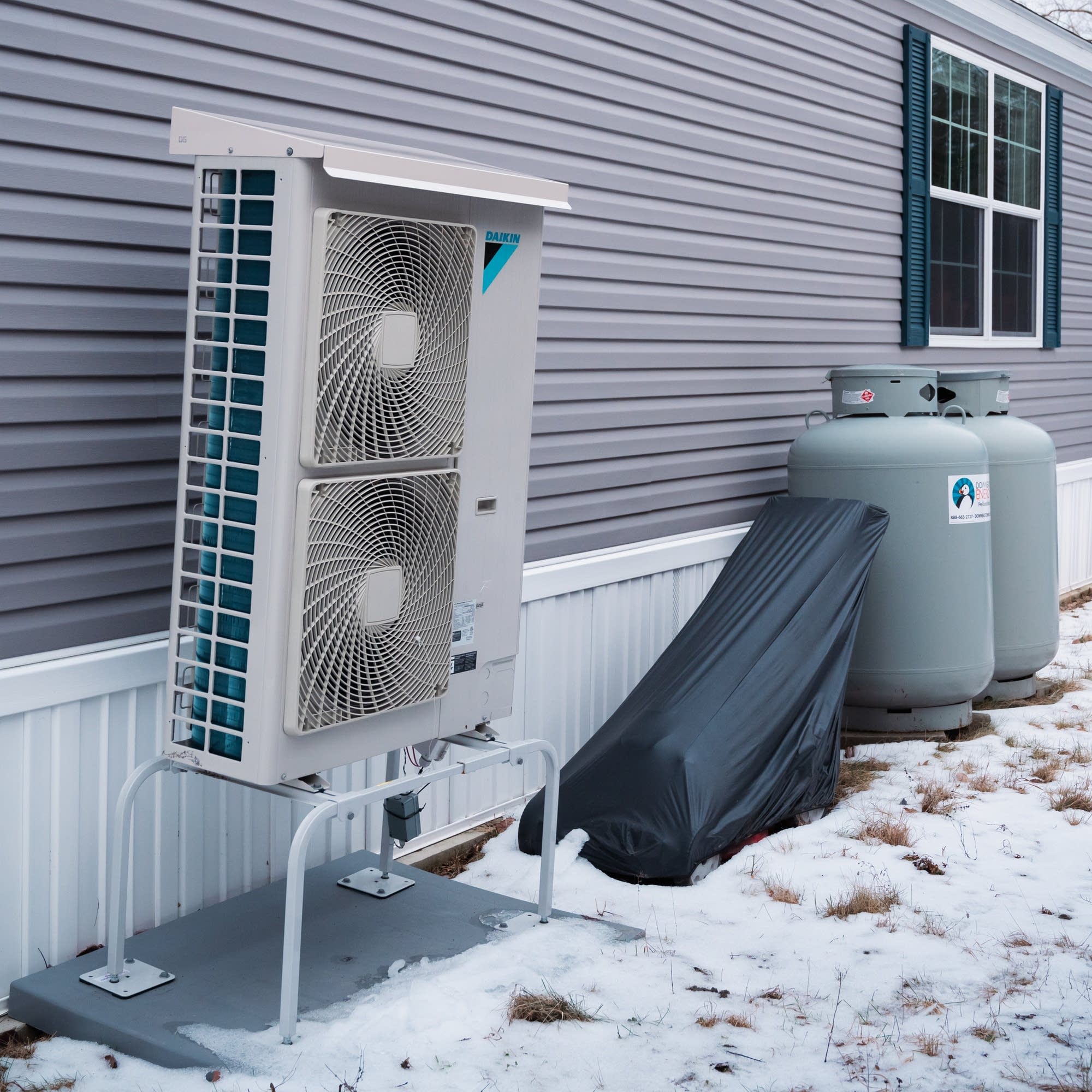
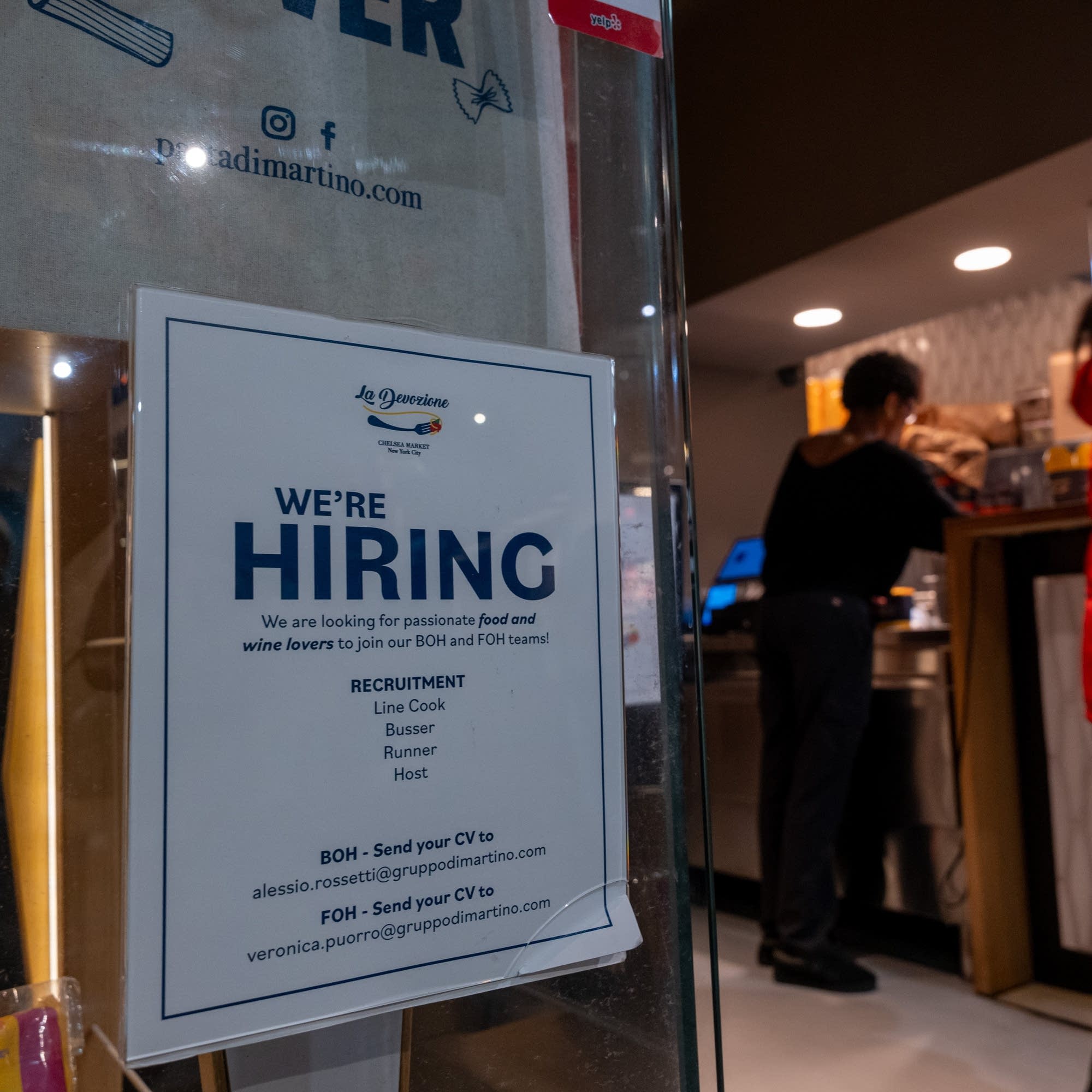
Several regional Fed offices reported soft or stagnant manufacturing activity this spring. Tariffs, immigration policy and other uncertainties are driving pullbacks across the sector. In this episode, we take a cross-country trip to learn more. Plus: Farms struggle to staff up for harvest season as ICE raid fears persist, young college grads struggle to find work and Zillow changes its listing policy for homes that were already listed privately.
Every story has an economic angle. Want some in your inbox? Subscribe to our daily or weekly newsletter.
Marketplace is more than a radio show. Check out our original reporting and financial literacy content at marketplace.org — and consider making an investment in our future.
Press play and read along
Transcript
Speaker 1 This Marketplace podcast is supported by Wealth Enhancement, who ask, do you have a blueprint for your money?
Speaker 1 Wealth Enhancement can help you build the right blueprint for investing, retirement, tax, and more.
Speaker 1 With offices nationwide, there's an advisor who's ready to listen and craft a blueprint for your future. Find out more at wealthenhancement.com/slash build.
Speaker 2 This podcast is supported by Odoo. Some say Odoo business management software is like fertilizer for businesses because the simple, efficient software promotes growth.
Speaker 2 Others say Odoo is like a magic beanstalk because it scales with you and is magically affordable.
Speaker 2 And some describe Odoo's programs for manufacturing, accounting, and more as building blocks for creating a custom software suite. So Odoo is fertilizer, magic beanstock building blocks for business.
Speaker 2
Odoo, exactly what businesses need. Sign up at odoo.com.
That's odoo.com.
Speaker 3 On the program today, a couple of different slices of this economy, no particular order. Manufacturing, housing, and AI.
Speaker 3 From American Public Media. This is Marketplace.
Speaker 3
In Los Angeles, I'm Kyle Risdahl. It is Monday today, June 30.
Good as always to have you along, everybody.
Speaker 3 We are going to start on this Monday with a road trip of sorts beginning in the great state of Texas, Dallas specifically, where the Regional Federal Reserve Bank there released its survey of manufacturing today.
Speaker 3
Texas being Texas, oil and gas figure prominently. Long story short, production was flat.
But there is more to the American manufacturing economy than just Texas and petroleum.
Speaker 3 So Marketplace Elizabeth Troval took to the road, as it were.
Speaker 5 Our trip across the U.S. manufacturing sector starts with Courtney Cowley with the Kansas City Fed, who I catch up with while she's in the car, driving across her district.
Speaker 6 So I'm just on my way to Enid, Oklahoma.
Speaker 5 Home to steel manufacturing, the district also does a lot of food and petroleum-related production. In this June survey, Cowley says activity and employment is down.
Speaker 6 And then we're also continuing to see prices for both inputs and produced products or outputs increase.
Speaker 5 Crossing state lines into Texas, the Dallas Fed's Emily Kerr reminds me that a lot more than petroleum products are made made here.
Speaker 8 So we have a lot of high-tech manufacturing, quite a bit of food manufacturing.
Speaker 10 You know, we're the top cattle state.
Speaker 5 In June's survey, Kerr says though demand continues to fall, hiring actually picked up.
Speaker 8 And if firms are feeling dire about the outlook, they probably wouldn't be adding to headcounts.
Speaker 5 Now we head about 1,200 miles east to the Richmond Fed, which includes sectors like pharmaceuticals, ag, aerospace, and textiles.
Speaker 5 Survey director Jason Kossakow says June showed continued softening, a trend since mid-2022.
Speaker 11 The difference now is the reasons for the softness.
Speaker 5 The big concern used to be labor shortages.
Speaker 11 Now is we can't even know what to price our products at because the time it takes to manufacture our goods and get it out and to ship it out and all the lead times, the input costs and the variable costs are just fluctuating too fast.
Speaker 5 And due north in the empire state, the New York Fed's Rich Diet says that tariffs, immigration fears, and other policy uncertainty have added concerns to an already weak sector, which produces a lot of electronic components, furniture, and heavy metals.
Speaker 11 However, what was interesting is that employment itched up a little bit this month, which was quite unusual.
Speaker 5 Manufacturing activity declined in June's survey, while input costs went up. I'm Elizabeth Troval for Marketplace.
Speaker 3
Wall Street today, well, let's see. The dollar is still getting clobbered.
Stock traders are still in a buying mood. Oil basically steady.
Bond yields down. Details numbers, y'all know the drill.
Speaker 3 I don't know if you caught this back at the end of May when the CEO of Anthropic, that's one of the big artificial intelligence companies, he said he figures AI could wipe out half of all the entry-level white-collar jobs in this economy in the next one to five years.
Speaker 3 So there's that, which gets us to this. The company apparently is starting a new thing where it tracks how AI is affecting the economy and the job market.
Speaker 3 And I'll tell you, even a quick look at the job market for recent college graduates is not reassuring. Unemployment for degree holders aged 22 to 27 is almost 6%.
Speaker 3 That's the highest it's been since the pandemic and significantly above the unemployment rate for all workers, a hair better than 4%.
Speaker 3 So marketplaces, Megan McCarty-Carino, went looking for signs of that AI-driven white-collar apocalypse.
Speaker 12 Graduation Day at Santa Clara University on June 14th was everything Yael Grimaldi could have hoped for.
Speaker 12 A beautiful California day spent celebrating his achievement with friends and family.
Speaker 2 Yael Shai Grimaldi Serrano.
Speaker 12 Well, it was everything he could have hoped for except one thing.
Speaker 14 I thought I would have a job lined up by graduation.
Speaker 12 Grimaldi earned a B.S. with honors from the business school, and he's been looking for a job or internship in digital marketing.
Speaker 12 He says he's putting in about two applications a day at big companies and small ones up and down the state of California. He's had a few interviews, but no offers yet.
Speaker 14 As a first-generation, I feel like there's a lot of pressure.
Speaker 14 You know, I'm the first in my family to get a degree, and so, you know, it has a lot of value, but not as much as, you know, I thought it would freshman year.
Speaker 12 Indeed, the labor market advantages of a college degree have been eroding for at least 10 years, says economist David Deming at Harvard's project on the workforce.
Speaker 15 A college degree for most young people who are thinking about it is still a very good investment, but it's no longer the absolute guarantee that it once was.
Speaker 12 He says the wage premium commanded by college-educated workers plateaued in the 2000s, and the edge new grads had finding work began to dissipate in the mid-2010s, partially because there are more of them.
Speaker 15 The share of young people graduating from college has increased by about a third in the last two decades. So he has many, many more people graduating, and that's a very good thing.
Speaker 12 Meanwhile, he says, we're now seeing a slowdown in hiring that is cyclical.
Speaker 15 You want to sort of think about a young college graduate like a capital investment. And so when businesses are feeling confident about investments overall, they tend to hire more college graduates.
Speaker 15 And when they're feeling less confident, they hire fewer.
Speaker 12 Right now, things are definitely uncertain.
Speaker 10 Even if it's not a technical hiring freeze, I think a lot of companies are just kind of taking a step back.
Speaker 12 Rosella Gramp graduated from Middlebury College in Vermont in May, where she studied international politics, economics, and Spanish.
Speaker 12 She interned last summer for the State Department and is looking for government jobs, which have become less numerous.
Speaker 12 She wonders if she'll end up waiting tables or making lattes for now, like some of her friends have.
Speaker 10 Thinking about a lot of friends that are going to, I guess, wait out the kind of tumultuous job market right now by taking those other jobs. It just kind of frightens me that that is a reality.
Speaker 12 AI could be contributing, but only about 6% of firms across the economy have adopted the technology, according to Goldman Sachs. In tech, though, it's a different story.
Speaker 12 A report from venture capital firm SignalFire found the number of new grads hired by big tech fell 25% since just 2023.
Speaker 12 And UC Berkeley computer science professor James O'Brien believes AI is the driving force. Take a junior developer role, which he says is mostly tedious coding.
Speaker 15 People call it boilerplate code or, you know, drudge work or something, but it's also a really great way to learn.
Speaker 12 Large language models can now handle that and do it a lot faster. O'Brien says big tech companies brag about how much of their code is written by AI.
Speaker 12
At the same time, they announce thousands of layoffs. Companies he advises, which used to ask him to recruit students, no longer need the help.
And startups are getting smaller and smaller.
Speaker 15 How many times do you have to hear the same message where at some point you say, hey, maybe that message is the message?
Speaker 12 New grad Yael Grimaldi is still optimistic he'll get a message about a job at some point.
Speaker 12 In the meantime, he's using AI to build a website for his photography side hustle, and just in case, applying to the Peace Corps. I'm Megan McCarty-Carino for Marketplace.
Speaker 3 I say Zillow, you think home prices, right? How much yours is worth or how much a house you want to buy might cost. It's become almost synonymous with searching for residential real estate.
Speaker 3 So when Zillow changes the rules, the whole real estate market takes notice. And as of today, Zillow is changing how it lists homes.
Speaker 3 Marketplaces Samantha Fields has more on what that could mean for buyers and for sellers.
Speaker 9 As a longtime broker in Austin, Texas, Tiffany Russell understands the importance of making sure all her listings are on Zillow.
Speaker 9 But sometimes she has clients who don't want their home listed publicly, especially now when the market's so slow.
Speaker 17 A lot of people are not wanting to sit on the market for 70, 100, 120 plus days, but they are willing to sell their home if a buyer comes along.
Speaker 9 For sellers like that, less than 10% of her clients, she'll do a private listing. But under Zillow's new rules, Russell won't be able to list it there later.
Speaker 9 Casey Roberts, a spokesperson at Zillow, says this is about fair access.
Speaker 20 Making sure that buyers don't miss out on their dream home.
Speaker 20 They can really make sure they see every single home that could be, you know, a fit for what they need, ensuring that it's fair, open, and transparent for everyone.
Speaker 9 Most homes are already listed publicly for everyone to see.
Speaker 9 Lisa Sturtevant, chief economist at Bright MLS, has done research showing that keeping a sale private doesn't offer benefits to most sellers, at least in her markets markets in the mid-Atlantic.
Speaker 18 Listings that are started as private exclusive listings don't bring the seller any more money, and they take on average two weeks longer to sell.
Speaker 9 Private exclusive listings can also hurt some buyers, especially people of color, she says, who tend to have less access to them.
Speaker 9 Generally, Logan Motashami at Housing Wire says public listings have benefits for both buyers and sellers.
Speaker 21 The buyer gets to see everything that's on there, and the seller also gets to have the most eyeballs. So I'm in the general camp that the more open, it is better for consumers.
Speaker 9 But open listings may not always benefit brokers and the companies that employ them. At least not in this sluggish housing market.
Speaker 21 When you're literally in the third straight year of the lowest home sales ever, as an industry, you're making less money.
Speaker 21 And to survive and to make sure that your agents are making enough, this is one way to help them out.
Speaker 9 By keeping listings exclusive and in-house. I'm Samantha Fields for Marketplace.
Speaker 3 In order to even shop for a home, of course, no matter where it's listed, there is the usual prerequisite of being able to afford one.
Speaker 3 High and rising prices and high but steady mortgage interest rates have pushed homeownership out of reach for a lot of people, low-income families in particular.
Speaker 3 In Baltimore, Maryland, though, there is a rare path forward. WYPR is one buoy Kamal has more.
Speaker 24
From the Cox has just moved into her new home in Hope Village, a tiny home community in Baltimore. It's a one-bedroom, 400-square-foot house.
She lives here with her husband and her mom.
Speaker 25 Only thing we added in here was was television and the curtains, and then just the items on the wall. I mean, that's how they already came.
Speaker 24 The home came fully furnished with a washer, dryer, and solar power. As we tour the home, Formithia's mom, Elise Robertson, is so happy with the new place, she breaks into song.
Speaker 24 This is a community for folks who've struggled with homelessness. Before they got married, Formithia was housed, but her husband lived in overcrowded, unsanitary conditions.
Speaker 24 He's a delivery driver, and she takes care of her elderly mom. Formithia calls the move a fresh start.
Speaker 25 You know, it just felt really, really good to know that you have your own place.
Speaker 24 And that's what Chris and Pam Wilson intended when they built Hope Village. The couple poured some of their retirement savings into the $1.7 million project.
Speaker 24 Pam says it's a way for low-income folks to become homeowners.
Speaker 29 And once they buy a house, and these people were so enthusiastic about that, we saw them when they got their deeds and their faces lit up and we congratulated them and they have been just flying since then.
Speaker 24 Chris spent his career as a marine insurance adjuster, traveling extensively and seeing how people lived in all kinds of conditions. It was during a trip to Nigeria that a light bulb went off.
Speaker 26 You have a mile long of container houses.
Speaker 23 That gave me the idea. Why couldn't we do something like that?
Speaker 24 Container-style houses wouldn't fly in this eastern Baltimore neighborhood, so they came up with a design that would fit in better. The tiny homes have colorful siding and wrap-around porches.
Speaker 24 The Wilsons found an architect and construction firm to do some work pro bono. Each home is valued at about $200,000, but families pay just $25,000.
Speaker 24 This isn't a profit-making venture for the Wilsons, and obviously, not every city can rely on private donors to create affordable housing.
Speaker 24 Mac McComas at Johns Hopkins says tiny home communities do show promise, but one key step: inform neighbors early.
Speaker 30 Take into consideration neighborhood concerns that you're not just coming in with what you think is a great idea, making sure that the community around is bought in.
Speaker 24 The Wilsons say they knocked on doors and heard no objections. Pam says these kind of tiny home developments can save cities money too.
Speaker 29 Because people won't have to be housed in shelters and these people are going to be paying taxes on their homes.
Speaker 24 At Hope Village, Formidia Cox says her family's settling in, already taking on projects.
Speaker 27 That's beautiful, and I'm thankful.
Speaker 25 I'm thankful to be a part of it.
Speaker 7 So, you know.
Speaker 29 Yeah.
Speaker 24
They're figuring out how to build a fence. Then they plan to set up a grill and spend summer evenings barbecuing with neighbors.
In Baltimore, I'm on Boy Camal for Marketplace.
Speaker 3 Coming up.
Speaker 31 Quarter time, part-time, full, whatever you want to do, we're going to accommodate it.
Speaker 3 If you have to be a working parent, you have to be able to, you know,
Speaker 3 work.
Speaker 3 First, though, let's do the numbers.
Speaker 3
Dow Industrial is up 275 today. That is 6 tenths percent, 44,094.
The NASDAQ picked up 96 points, about 1%, 20,369. The SP 531 points to the good, 1%, 62, and 4% there.
Speaker 3 The long, long saga of Boeing and subcontractor Spirit Aerosystems Holdings took a new turn today.
Speaker 3 The planemaker spun off Spirit about 20 years ago and then last year, you might remember, it decided it wanted to bring the company back in-house with a merger.
Speaker 3
Today, the UK's top competition regulators started an investigation into that proposed deal. Boeing descended 2.3%.
Spirit Aerosystems dropped about 1.25%.
Speaker 3
Bond prices went up when that happens. Yields go down.
The 10-year T-note today stands at 4.23%.
Speaker 3 You're listening to Marketplace.
Speaker 7 We've all done it.
Speaker 28 Stock our fridge with good intentions, only to sacrifice nutrition for convenience. Keep your body and mind nourished with whole body meal shakes from cachava.
Speaker 28 It's got 25 grams of protein, 6 grams of fiber, greens, and so much more.
Speaker 24 But it actually tastes delicious.
Speaker 28
Try one of cachava's indulgent flavors today. Shop now through December 2nd to get 30% off your first purchase of two or more bags.
Go to cachava.com and use code News.
Speaker 28 That's K-A-C-H-A-V-A.com, code News.
Speaker 22 With the state of today's economy, it's more important than ever to invest in products that last for years to come.
Speaker 22 As the seasons shift and get cooler, make sure your closet is stocked with durable layers that stand the test of time from American Giant.
Speaker 22 American Giant's clothes work harder and are wearable season after season.
Speaker 22 Their greatest hoodie ever made is made from the highest quality materials that are cut and sewn right here in the United States. So you're investing right right back in your local community.
Speaker 22 Choosing American Giant means taking a stand for American manufacturing and hardworking Americans, something other megacorporations don't care about.
Speaker 22 From fleece to knit, all in a range of colors for versatile daily wear, American Giant delivers everyday pieces designed for everyday life.
Speaker 22 Feel the difference of quality made-to-last clothes from American Giant. Get 20% off your first order with code STAPEL20 at AmericanDash Giant.com.
Speaker 22 That's 20% off your first first order at AmericanDash Giant.com with CodeStaple 20.
Speaker 13 Now's the time to start your next adventure behind the wheel of an exciting new Toyota hybrid.
Speaker 13 With the largest lineup of hybrid, plug-in, hybrid, and electrified vehicles to choose from, Toyota has the one for you.
Speaker 13 Every new Toyota hybrid comes with Toyota Care, two-year complimentary scheduled maintenance, an exclusive hybrid battery warranty, and Toyota's legendary quality and reliability.
Speaker 13
Visit your local Toyota dealer today, Toyota. Let's go places.
See your local Toyota dealer for hybrid battery warranty details.
Speaker 32 With Venmo Stash, a taco in one hand, and ordering a ride in the other means you're stacking cash back.
Speaker 3 Nice.
Speaker 32 Get up to 5% cash back with Venmo Stash on your favorite brands when you pay with your Venmo debit card.
Speaker 32 From takeout to ride shares, entertainment, and more, pick a bundle with your go-to's and start earning cash back at those brands. Earn more cash when you do more with Stash.
Speaker 32
Venmo Stash terms and exclusions apply. Max $100 cash back per month.
See terms at vimmo.me slash stash terms.
Speaker 3 This is Marketplace. I'm Kai Rizdahl.
Speaker 3 President Trump said over the weekend, this was on Fox News, that he wants to come up with some kind of free pass, those are his exact words, that would give the agriculture industry something of a break from his immigration crackdowns.
Speaker 3 Specifics, notably, were absent, and it is worth noting here that the president's big tax and spending bill the Senate is chewing on right now does have $170 billion earmarked for immigration enforcement.
Speaker 3 Immigration is, when you get right down to it, a labor market story.
Speaker 3 And with undocumented workers and even those with legal status fearful that their workplaces could be raided, Marketplace's Samanda Peters reports that is going to leave a lot of food in the fields.
Speaker 7 Warm spring weather made 2025 a pretty good year for growing cherries, says Ian Chandler, who runs a 300-acre orchard in northern Oregon.
Speaker 33
We have a pretty good-sized crop. Quality is good.
It's nice fruit.
Speaker 7 The problem, Chandler says, is getting that bumper crop off the tree.
Speaker 7 He says the West Coast cherry harvest relies on farm workers traveling from California up through the Pacific Northwest as the fruit ripens in each climate.
Speaker 33 I mean, this year that flow of labor was disrupted.
Speaker 7 About 90% of the farm workers Chandler hires are immigrants. He says the rest might be American citizens, but have family at risk of being deported.
Speaker 33 You know, that creates a tremendous amount of fear, so people are hunkering down down and not wanting to travel.
Speaker 7 Meanwhile, the clock for harvesting ripe cherries is ticking.
Speaker 16 Mother Nature doesn't compromise on that. When the crop is ready, it needs to be harvested.
Speaker 7 Richard Stupp heads up Cornell's Ag Workforce Development Program. He says immigrant workers, many of whom are undocumented, have allowed U.S.
Speaker 7 farmers to keep growing labor-intensive fruits and vegetables, even as vanishingly few Americans are willing to do the work of harvesting.
Speaker 16 For us to grow and harvest and process those crops would be virtually impossible without immigrant and guest workers.
Speaker 7 And automating that work is tricky. Ag economist Diane Charlton at Montana State University says there are robots in development.
Speaker 19 To be able to pick the fruit that's ripe and pick it gently, a lot of factors have to come together to do this as efficiently as human hands.
Speaker 7 Even if a labor squeeze spurs more investment, Charlton says that tech is a ways off. In Oregon, Ian Chandler is hunting for secondary markets, willing to process overripe cherries.
Speaker 33 But those places where you can send, you know, fruit that won't work for fresh are starting to fill up.
Speaker 7 He says some of this year's cherries will rot on the tree, and crop insurance won't cover a worker shortage. I'm Savannah Peters for Marketplace.
Speaker 3 It's a short week this week for most of us with the holiday on Friday.
Speaker 3 The Bureau of Labor Statistics gets the day off too, which means we are going to get the June unemployment report on Thursday this time.
Speaker 3 That is, of course, a monthly report, but there economic trends that play out over way longer periods of time. Our series, The Age of Work, is all about that.
Speaker 3 What demographic changes are going to mean for this economy, most particularly, the fact that the percentage of prime age workers in this country, that's people between 25 and 54, is shrinking as the U.S.
Speaker 3 population overall gets older, which means that employers are going to have to dig deeper to find the people they need.
Speaker 3 We were in Utah County, Utah last month, a place that's got one of the youngest labor forces in this country. Median age there, 25 and a half, almost 39 nationally.
Speaker 3 But even Utah County companies have themselves some labor force challenges, as Marketplace's Maria Hollenhorst reports.
Speaker 27 Some people discover their passions early in life.
Speaker 20 Like engineers will call it the knack. I always wanted to know how things worked and take things apart.
Speaker 27 Utah County resident Joanne Hislop, age 42, grew up to become a senior medical device engineer.
Speaker 20
I was really invested in the career. It really was a big part of who I was as a person.
I couldn't really picture not having that in my life.
Speaker 27 But seven years into her career, she and her husband got some life-changing news.
Speaker 20 They did an ultrasound pretty quickly, were like, oh my gosh, and just kept asking if we were going to pass out.
Speaker 27 They were having triplets.
Speaker 20 My career was a big part of who I was, and I had always intended to continue working, but there was also so much unknown from the health side that
Speaker 20 neither one outweighed the other. It was just the phase of life that we were in.
Speaker 27 So she went to her boss.
Speaker 31 I am an international man of mystique, unknown even to myself.
Speaker 27 He likes to joke. Fred Lampropoulos is the founder and CEO of Merit Medical Systems, a company that makes products for heart surgeries, catheter tubing, and other medical devices.
Speaker 27 It has about 7,000 employees, including 2,200 in Utah. And 10 years ago, when Joanne told her boss that she was having triplets.
Speaker 20 I mean, I kind of expected, I think, at that point, that they would just write me off. But he, from the very beginning, was just really supportive and said,
Speaker 20 whatever we need to do to get you to come back.
Speaker 31 If you need a year off and then you want to work quarter-time, part-time, full, whatever you want to do, we're going to accommodate it.
Speaker 27 According to one study published in Behavioral Sciences, about 24% of new mothers in the United States exit the labor market in their first year of motherhood.
Speaker 27 In Utah specifically, the women's labor force participation rate drops around age 25, which is when many of them start having children.
Speaker 31 I thought, oh boy, we're going to lose one of our best engineers.
Speaker 27 Not wanting to lose Joanne, the company offered her flexibility.
Speaker 20
My kids were two pounds when they were born. They spent several months in the hospital.
I spent several months in the hospital.
Speaker 27
She wound up taking a full year of maternity leave. And when she did come back to the office, it was part-time.
Her team worked around her schedule for years as she slowly ramped back up.
Speaker 27 But Joanne said she realized that this issue, the flexibility that parents need, went beyond her own personal situation.
Speaker 20 I had seen several female engineers that had been here for a long time, and then they just get to a certain point, start their families, and just would leave industry.
Speaker 27 In the U.S., only about 17% of engineers are women. That's according to the Society for Women's Engineers.
Speaker 27 So Joanne took that anecdotal data about women leaving the industry to her boss, CEO Fred Lampropoulos.
Speaker 20 And his response was, yeah,
Speaker 20 if there's anybody like that, just bring them to me.
Speaker 20 And so for about six months, I kind of operated that way where I felt like it's, okay, it's my responsibility to keep my eye out for people like this.
Speaker 27 But she says, even when she talked to expecting mothers about how the company had worked with her.
Speaker 20 It didn't matter. It was like they would leave anyway.
Speaker 20 And what finally clicked in my head was if we wait until they're pretty well going out on maternity leave, they've already made their decision a lot of times. And so
Speaker 20 we actually needed a program.
Speaker 27 Fred, the CEO, agreed. With Joanne's help, the company launched a formal program last year, an institutional system designed to make work more flexible for parents.
Speaker 27 They've hired two people so far, both moms, working part-time.
Speaker 20 I would love for companies to see this as a community problem and not a problem for mothers, that they wouldn't feel as obligated to choose and have to leave one thing completely behind.
Speaker 27 Joanne Hisselop, mom of four, is still working as an engineer like she always wanted to be. And she's pursuing an executive MBA on Merit Medical's dime.
Speaker 27 The company is working with her schedule so that she has time to do that. I'm Maria Hollenhorst for Marketplace.
Speaker 3 This final note on the way out today, in which I am obliged once again to inject some reality into how the President of the United States thinks about this economy.
Speaker 3 President Trump again today went after Fed Chair Jay Powell for not cutting interest rates. That is not new, and it is not my job to defend Powell.
Speaker 3 But in his handwritten note to the Fed Chair addressed to Jerome in that oh-so-recognizable black Sharpie, the president said this, if they were doing their job properly, the Fed, that is, our country would be saving trillions of dollars in interest cost.
Speaker 3 Now, the central bank has, by law, two jobs. We have repeated it here often, stable prices and maximum employment.
Speaker 3 How much the United States pays in interest is all about how much money we owe, which is entirely up to to the President and Congress, which right now, as it happens, is considering a bill that would add $3.3 trillion
Speaker 3 to the amount of money that we owe.
Speaker 3
Amir Babawi, Caitlin Ash, John Gordon, Noya Carr, Amanda Peacher, and Stephanie Seek are the marketplace editing staff. Kelly Silvera is the news director.
And I'm Kyle Rizdahl.
Speaker 3 We will see you tomorrow, everybody.
Speaker 3 This is APM.
Speaker 4 Lowe's early Black Friday deals are going fast.
Speaker 34 Don't miss up to 50% off select major appliances. Plus, up to an extra 25% off when you bundle select major appliances.
Speaker 4 And with Christmas around the corner, you're going to need more string lights, right?
Speaker 34 Save $4 on GE LED 100 count string lights. Now just $5.98.
Speaker 4 Lowe's, we help. You save.
Speaker 34
Valentine 12.3. Selection varies by location.
Select locations only. While supplies last.
See Lowe's.com for more details.