'The Interview': Simon Cowell Is Sorry, Softer and Grieving Liam Payne
Press play and read along
Transcript
Speaker 1 This podcast is supported by the Capital One Venture X Card. Venture X offers the premium benefits you expect, like a $300 annual Capital One travel credit, for less than you expect.
Speaker 1 Elevate your earn with unlimited double miles on every purchase, bringing you one step closer to your next dream destination. Plus, enjoy access to over 1,000 airport lounges worldwide.
Speaker 1
The Capital One Venture X Card, what's in your wallet? Terms apply. Lounge access is subject to change.
See capital1.com for
Speaker 2 From the New York Times, this is the interview. I'm Lulu Garcia Navarro.
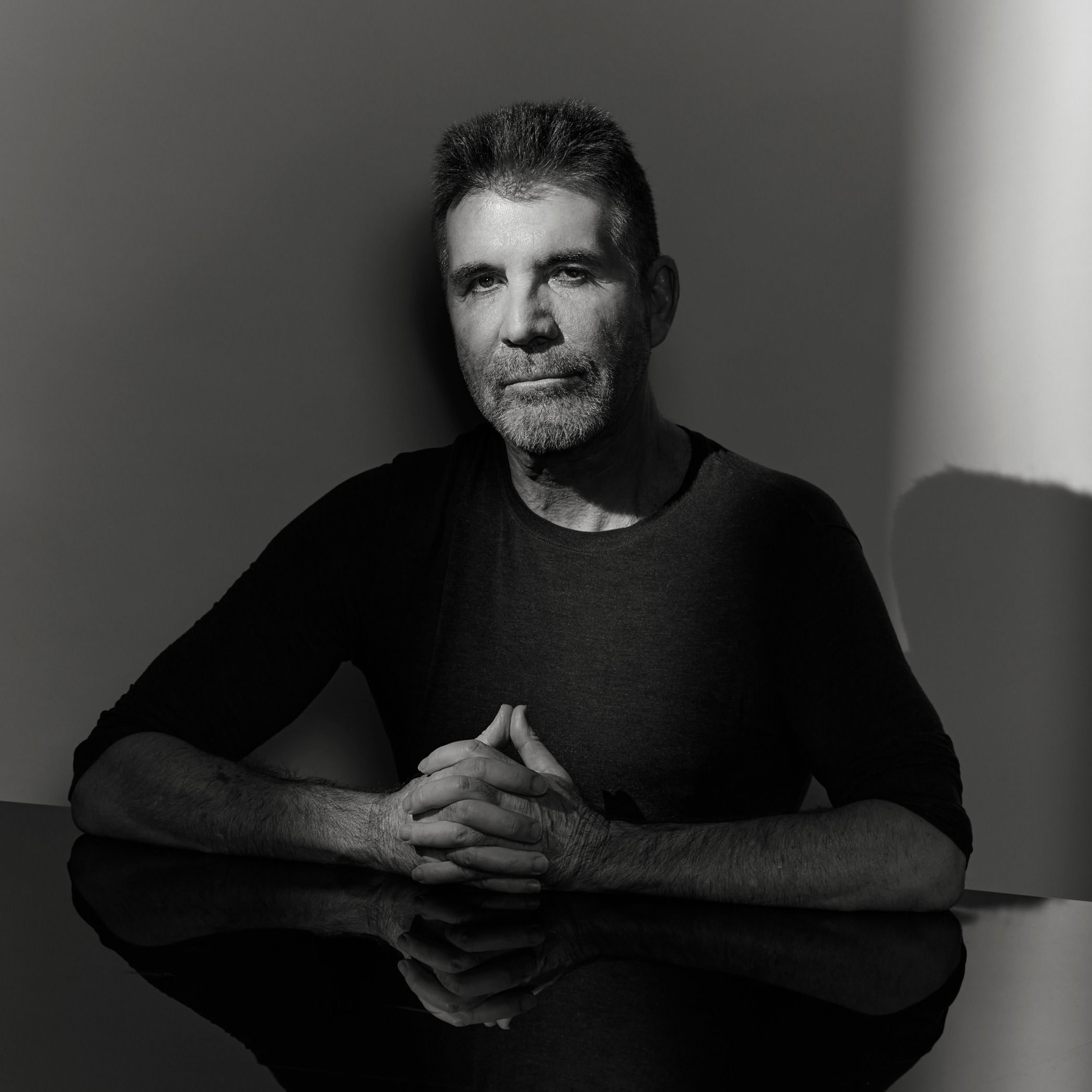
Speaker 2 I don't know quite what I was expecting when I walked into Simon Cowell's home in southwest London, but I was greeted by endless cups of tea, a warm welcome from his longtime partner, Lauren, and his 11-year-old son, Eric.
Speaker 2
Cowell was also pretty charming. What I discovered was that the king of mean, who shaped American TV culture and changed the music industry, is definitely in his cozy era.
Cal knows he's mellowed.
Speaker 2 Part of that is age, he's 66, but he's also suffered the loss of his parents, become a father, gone to therapy, and more recently, he's grappled with the death of Liam Payne, whom he discovered on X Factor and cast in the mega famous boy band One Direction, which we talked about at length.
Speaker 2 Now, Cal is looking for his next hit in his latest project, a Netflix docuseries called Simon Cowell The Next Act.
Speaker 2 In it, Cal goes back to his roots as a talent scout, auditioning and training a group of teenagers to be in his new boy band.
Speaker 2 At a moment in our culture where bullying seems to be such a driving force, I was interested in Cal's evolution away from his harsh public persona, how he sees the music industry today, and his plans to stay relevant in it.
Speaker 2 Here's my conversation with Simon Cowell.
Speaker 2 All right, are we ready to go? We're good? All right.
Speaker 2 Simon Cowell, thank you so much for coming on the interview.
Speaker 3 Thank you for coming over.
Speaker 2 I want to start by telling you that I was in LA this past spring for a family vacation, and we went to an Americas, got talent taping.
Speaker 2
And I have two things to note about that experience. First, the thing that occurred to me is the power of booing, the power of the boo.
You know, applauding and cheering are really, really fun.
Speaker 2 But what was also really great is to boo a judge. And we booed you very, very energetically.
Speaker 3 Me included.
Speaker 2 Yeah, me included. My daughter, we were very invested in booing you.
Speaker 2 And I just wonder what it's like being on the other side of that.
Speaker 3 It makes me laugh, to be honest with you. I mean, it genuinely makes me laugh because it's like they can boo, you know, you like crazy.
Speaker 3 and then in the break you just turn around and go how you doing and everyone's like friendly again but in that moment they're like really like you said invested and i think that's that's the cool thing about having an audience behind you because i always say to the producer i can feel when something's going good or bad by the energy behind me But to your point, we actually try and encourage it, which is look, if you're really unhappy with us, then tell us.
Speaker 3
I mean, seriously, tell us. You know, I I don't care.
Yeah.
Speaker 2 And the second thing you just touched on that occurred to me while I was watching you, you were the only judge turning around and actually engaging with the audience in between takes.
Speaker 2 And, you know, in reading about you, I read that your dad always told you when you were really young how important it is to make people feel important. Yeah.
Speaker 2 And I was wondering if you're still taking that advice to heart.
Speaker 3 Yeah, very much so, yeah. I mean, you know, from the minute you walk, I walk into like the set,
Speaker 3 I think because of what my dad said years ago, it really stuck in my mind that you have to be aware of genuine, literally every single person who's around you, you know, whether they're security, whether whoever they are.
Speaker 3 And obviously without the audience there or watching, then you don't get paid. So you've got to be nice to them.
Speaker 3 And I say this to all my artists, you know, I work with, you know, which is if you ever lose sight of that, if you start complaining about privacy, photographs, autographs, then honestly, you're in the wrong job because the minute you put a song out or you go on TV or you make a movie, whatever, then of course your life is going to change.
Speaker 3 But ironically, the audience are paying for your salary. So you can't not talk to them or be nice to them.
Speaker 2 You know, speaking of your dad, he was an executive at EMI, the big record label and music publishing company. And his job, though, was to manage real estate.
Speaker 2 He wasn't actually a creative, so to speak. What did he think you'd become when you were young? What did he hope for you?
Speaker 3
It was so random what they thought I could do because I was so terrible at school. I just didn't like it.
I found it boring. I did everything I could to get out of it.
Speaker 3
I wanted to leave at 16 and I did. I think I left on my 16th birthday because I just, I thought I'm just, nothing's digesting here.
And they were concerned because I didn't pass any of my exams. So
Speaker 3 they just tried to get me a job. So my dad, because like you said, he was in property, he took me up to one of these places up in the north of England where they teach you to become a builder.
Speaker 3 And so we went on this kind of huge building site, you know, with diggers and everything. And I thought, well, this looks fun.
Speaker 3 And then I had the second part of the interview where they told me what I had to learn about
Speaker 3 maths and this and that and I thought okay well forget that and then my mum thought I should work for the civil service for some reason and I had this really terrible terrible job interview which was worse than being at school and then eventually
Speaker 3 a job came up as a runner at Elstree Studios, which was also a film, you know, it was a film studio, TV studios, and this was actually a TV show.
Speaker 3 So I managed to get a job for three months as a runner and I actually just loved it from the minute I started. I mean, you literally do run basically for everyone.
Speaker 3
Whatever they ask you to do, you run. And I loved it.
I absolutely loved it.
Speaker 2 You eventually end up going into the music industry,
Speaker 2 doing ANR, which is basically being a talent scout. What was it about the music industry that you found compelling at that point?
Speaker 2 Why did you think that this was a place that you could actually kind of make your way?
Speaker 3
Well, I made a decision eventually just to get into TV musical film. So I had the runner job.
I did actually try and get a job as a runner on The Shining, which they were making.
Speaker 3
And for some reason, Stanley Kubrick, don't ask me why, would never hire runners. So it must have been some weird superstition or something.
So I thought, okay.
Speaker 3 And then I applied to be in the post room at a TV company and got turned down. And I'm like, how can you turn someone down to be in the mail room? I mean, at 17 or something, but they do.
Speaker 3 And then fortunately, my mum,
Speaker 3
I think she just wrote to EMI and said, my son wants to be in the music business. And again, you had to go for a proper job interview.
You know, the guy was called personnel in those days.
Speaker 3 The guy had a star on his door. I remember that.
Speaker 3 And it was really cool because it wasn't just, you know, you've got to deliver mail. It was like, you know, what are your ambitions? Why do you want to be here? Blah, blah, blah.
Speaker 3
And I said, I really actually want to be in the music business. I don't know what yet, but I just love music.
So this is just that, you know, I hope I get that opportunity and I really will work hard.
Speaker 3 And when I got the news, I got the job, it was like, yeah, brilliant. And you were how old? I must have been then about 18, 19, I guess.
Speaker 2 You eventually work your way up. And
Speaker 2 one of the things
Speaker 2 that you become pretty astute at is developing what is a broad view of what is culturally relevant back then.
Speaker 2 I mean, I read a quote that you boasted that you'd figure out what was going on not by going to dingy shows in basements, but by reading The Sun, which is, of course, the storied British tabloid.
Speaker 2 And your first success came with the singer Sunita in the mid-1980s.
Speaker 2 And I want to ask you about something in particular, because you were promoting her music initially by going to gay clubs and trying to get it played there.
Speaker 2 What did you understand
Speaker 2 about who were the real cultural tastemakers that perhaps other people weren't understanding?
Speaker 3 That's a good question. So when I
Speaker 3 worked with Sunita, I thought
Speaker 3
she's going to become a gay icon. I could see that.
So we've got to find her a record that is a crossover record that we can break from the gay clubs.
Speaker 3 Because, you know, a lot of clubs we would go to, you know, some would, they just didn't get it, right? So I kind of thought this is fun, you know?
Speaker 3 So I used to take white labels, acetates, basically a vinyl record, and go into the DJ booth and just watch the reaction. as the record was played.
Speaker 3 And it was really interesting because that gave me more feedback than anything else as to whether this record, you know, we were on the right track or not.
Speaker 3 And they loved this first record, although I just couldn't get it on radio.
Speaker 3
And there was a record I heard, actually it's Sunita's mum actually, who recorded a song called So Many Men, which nearly was it. So many men.
So Little Time. Yeah, So Many Little Time.
Speaker 3
It's a brilliant song. All these songs were coming around at the same time.
And I remember thinking, this is going to be big.
Speaker 3 And we've just got to just jump on this wave somehow and use the clubs to get this record into the top 40.
Speaker 3 Because if I could get the record in the top 40, then radio were forced to play it, you know, on the on the national countdown. So it eventually got in the top 40.
Speaker 3
And then it got played. And then more radio stations played it.
And then eventually it went, I don't know, number two or something.
Speaker 2 So there's two things about this story that are interesting. The first is you like to do an end run around gatekeepers, clearly.
Speaker 2 And the second thing I think about this story is that, you know, you ended up becoming well-known for then signing acts that, you know, a lot of people saw as gimmicky.
Speaker 2 You signed the Power Rangers, WrestleMania, you made music from that.
Speaker 2 And you have what I think is this sort of bottom-up approach to the business, which is let's see what's popular and then elevate it.
Speaker 2 Where do you think that that came from, that understanding of, you know, let's take what's popular, not be precious about it, and try and put it out into the world.
Speaker 3 Well,
Speaker 3 all I was thinking was, I've just got to keep, I've got to keep a job.
Speaker 2 Got to keep the lights on.
Speaker 3
I've got to keep the lights on, exactly. Yeah, I've got to get paid.
And I know what it feels like to be broke because I was broke and I didn't want to go back there again.
Speaker 2 I mean, you lost your apartment at a certain point. You lost, I mean,
Speaker 2
everything. Your car, you had to move in with your parents again.
Yeah.
Speaker 3
Thank God, my parents were very understanding. And they were like, well, just use it.
This is a lesson, Simon. You know, credit cards you've got to pay back.
Mortgages, you've got to pay back.
Speaker 3 So, you know, everything was kind of borrowed. So, you know, I lost everything, went back, I did a deal with a bank, got a loan, got a label deal.
Speaker 3
And at that point, I just thought, right, I don't want to go back to there again. So I'm going to do whatever.
I can to sell records, knowing it's the music business.
Speaker 3 Because we did used to go to these A ⁇ R meetings and a lot of the guys, the ANR people, would have a job because they thought they were cooler than everybody else.
Speaker 3
Actually, a lot of them were just idiots. They thought they were cool.
They were just guessing. And if you dared to play something they didn't like, you were like,
Speaker 3 they used to like
Speaker 3 sneer at me, laugh at me. I mean, I remember once, you know, playing, as you said, that Power Rangers record, because my boss at the time said, look, we need to look at our last quarter.
Speaker 3
Who's got any hits? So I held my my hand up. And I said, well, I just sounded the Power Rangers, snigger, snigger, snigger.
And I've signed these two puppets.
Speaker 3 And so she actually went to this PowerPoint presentation, you know, this whiteboard and wrote zero,
Speaker 3
i.e. zero revenue, without hearing them.
So I thought, well, I'll just get on with it myself.
Speaker 2
But you understood something about the business, which is IP from things that aren't necessarily in music, it could translate. It could be valuable.
It could be sellable.
Speaker 3
People would like it. Yeah.
Well, with these IPs, when I knew that they'd sold out Wembley Stadium, the wrestlers, in 30 seconds, that's 80,000 seats,
Speaker 3 I just went, well, whoever loves wrestling, and there's a lot of music, you know, on these shows, I think they're going to buy the record.
Speaker 3
But I actually liked those records myself. So I just thought they're catchy, they're fun, you don't take it too seriously.
But more importantly, that we were selling millions and millions of records.
Speaker 2 Your first sort of huge hit happens with the Irish boy band Westlife.
Speaker 2 And you see them for the first time, you turn them down, and you tell their sort of manager or the person who was heading the band that you didn't like them because some of the boys weren't very good looking.
Speaker 2 And they took the note, they get rid of some of the boys.
Speaker 2 And then when you saw them again, you sign them. And I'm just wondering, when you're looking at a band like that back then, and just in general, are looks more important than talent?
Speaker 3 Well, the first time I saw the boys, it was a mess.
Speaker 3
There was no chemistry. They didn't look right together.
It didn't excite me. It was just that.
Speaker 3
And then the second time I saw them, the manager had styled them better. had replaced them.
Within 30 seconds, truthfully, I just turned around to him and I said, I don't need to hear anymore.
Speaker 3 We'll just do the deal tomorrow. And we did.
Speaker 3 And they can really sing, a couple of them in particular.
Speaker 3
So my job now is to find them hits. It was simple as that.
And that's when the relationship I was developing with songwriters and producers actually was probably more important than anything else.
Speaker 3 No matter how good the idea is, the song is probably the most important factor in all of this.
Speaker 3 So when I heard, when we got West Life together, I heard a rumor that there was a song that somebody else was going to record. And someone told me this song is a killer song.
Speaker 3
And so I called up the two writers and I said, I'm, hey, you've written this song. Will you come over? He played me the demo.
And
Speaker 3
it's a no-brainer, this song. And I thought, this is going to catapult West Life.
And I said, I want the song. We promised it to someone else.
And I actually locked the door. You what?
Speaker 3 I locked them in my office. And I said, you're not leaving until we do a deal.
Speaker 2 That's a tactic. Yeah.
Speaker 3
And they looked at me like, you're mad. I'm not mad.
You'll have a bigger hit with these boys than the other artists because these are better singers. All right.
Speaker 2 We've been talking about all your successes, but you've also had plenty of flops and a few missed opportunities during this particular period. The band Take That obviously was a big one.
Speaker 2 And then Kylie Minot also was one that sort of got away.
Speaker 2 Was that your biggest regret, do you think?
Speaker 3
Well, I mean, my biggest regret in terms of missing out was probably the Spice girls. They were mentioned in an ANR meeting.
They were called Spice then.
Speaker 3 And somebody said, we're hearing about this band called Spice because they were literally turning up at all the the labels and there was a buzz about them two of the A ⁇ R guys held their hands up and said we're on it I'm on it so I'm thinking okay I'm too late
Speaker 3 and then by chance a few weeks later I went to a meeting at the people who used to promote our records and the girls happened to be in a van and they knew who I was I don't know why or how but they just did dragged me into the van and played me the demo of wannabe and i'm like oh my god they're going to be huge.
Speaker 3 And got in my car, got back to the office, called the manager, and I said, if you haven't signed a deal, I'll double whatever you've been offered. He said, we signed yesterday.
Speaker 3 Now, I don't know whether that was true or not, but that was really, really hard.
Speaker 3 Yeah, when I saw that blow up, I'm like, God.
Speaker 3 But every time that, you know, something like that happens, weirdly, it just makes you more determined, I think.
Speaker 2 So let's fast forward a little bit to American Idol.
Speaker 2 Reading your autobiography, one of the things that sort of jumped out at me is that you really struggled with how the public was initially perceiving you.
Speaker 2 You know, that bluntness that you brought to the show that you really pushed to sort of incorporate.
Speaker 2 Once it became the mega hit that it became, you started reading this feedback and it caused you to kind of doubt yourself and later be nicer on the show for a little bit, which I don't remember this period, by the way.
Speaker 2 I don't think you were ever particularly nice on the show, but you sort of clocked that it made the show seem inauthentic.
Speaker 3 I wasn't trying to be a dick on purpose. All I wanted with these shows was to find successful artists to sign to the label.
Speaker 3 So when all these people were coming in and they couldn't sing, you know, like we used to do off-camera. I would be like when I used to do auditions, someone would come in and they can't sing.
Speaker 3 We would say after 10 seconds, you can't can't sing. Not you're going to be brilliant and everything else.
Speaker 3 So I was frustrated at the beginning because I thought if we don't find someone good at the end of these shows, they're not going to get recommissioned.
Speaker 2
Well, there are a lot of Simon Cowell insult compilations from American Idol online. You'll be happy to know.
You told singers they'd invented a new form of torture. You made some fat jokes.
Speaker 3 Hallulu, do we have to go through this?
Speaker 2
Yes, we have to go through it. And then the camera would sort of cut to people looking absolutely crushed.
I mean, what is the line, do you think, between bluntness and humiliation?
Speaker 3
I've got to be honest with you. That's why I did change over time.
I mean, I did realize I've probably gone too far.
Speaker 3
And I don't need to be, look, I was honestly, I was just, I was frustrated. I didn't particularly like, I still don't like audition days because they're long and boring.
I would get fed up. And
Speaker 3 of course, you know, out of a hundred nice comments, what are they going to use? They're always going to use, you know, me being in a bad mood. I got that.
Speaker 3 What can I say? I'm sorry.
Speaker 2 What are you apologizing for exactly?
Speaker 3 Well, just being a dick, you know.
Speaker 2 But it also made good TV and it made you into an integral part of
Speaker 2 what what made that show work.
Speaker 3 Yeah.
Speaker 3 Yeah. That was then.
Speaker 3
I'm not proud of it. Let's put it that way.
I don't look at this.
Speaker 3
I never look at this stuff on online or anything. You know, I'm not someone who particularly wants to see myself on camera.
So when I hear about these clips, I'm like, oh, God.
Speaker 3 But then again, the upside is, I suppose, with these clips is that
Speaker 3 it made the shows really popular worldwide.
Speaker 2 It also launched the career of Ryan Seacrest. And I'll be honest,
Speaker 2 I am mystified by how he is so ubiquitous and so popular. And I wanted you to be able to explain it.
Speaker 3
I can't really answer that one, if I'm being honest with you. He does work hard.
Okay. Okay.
Speaker 2 A lot of people work hard. Yeah.
Speaker 3 I don't know, actually.
Speaker 3 He was very, very ambitious.
Speaker 3 And
Speaker 3
look, I don't follow his career, if I'm being honest with you. So I don't know what he's done or doing.
You know, we rarely talk now.
Speaker 3 I always knew with Ryan,
Speaker 3 he was like very steely about his career.
Speaker 3 wanting to be famous. I mean, this massive, massive desire about being
Speaker 3 very famous.
Speaker 2
Eventually, of course, you leave Idol to launch X Factor in the US, which was your own project. And you recruited Britney Spears to be a judge on the show.
Yeah.
Speaker 2 And you spoke multiple times with her to get her to agree to that. You know, at the time, you know, she was under a conservatorship.
Speaker 2 I was wondering what you understood about her mental state, about what was going on around her.
Speaker 3 This is a fascinating story about her and me and the show because somebody said brittany would be interested in working with you and i'm like really
Speaker 3 and i said well would she talk to me on a call because i thought it's never going to happen yes friday night eight o'clock fine she's going to call you so i'm waiting on the dot she calls and we spoke for two hours and she was so
Speaker 3
fun, engaged, passionate, interesting, you know, just really, really wants to do it. I think for the right reasons, which was I want to be a kind of a mentor.
I'm like, brilliant.
Speaker 3
So then I went, I want a second call because maybe this was a fluke. So we have a second call, I think, two weeks later.
It's even better.
Speaker 3 I went, wow, whatever I've heard about her, she is so smart.
Speaker 3 So nice, so friendly. I think we're going to get on really, really well.
Speaker 3 Cut to, we do a press launch and Brittany's there and she doesn't look that happy and i said what's the matter she said i didn't realize there was going to be so much press around and i went well it is a press launch
Speaker 3 so i said well that's kind of a bit too late to say you don't really want to do the press now so all i remember was there was a big tent and we were in two golf buggies and i had to go right
Speaker 3 She was ahead of me. So as I went right, she just went straight on because she didn't want to do the press.
Speaker 3 And then on the show,
Speaker 3 she really struggled with saying no to people.
Speaker 3
Just didn't like it. So the first day I sat with her and I said, look, there's two choices.
If you really don't want to do this, I'll get you out of it. I really will.
Speaker 3
Or you've got to understand, I can't put 200 people in the final. It's just not going to happen.
It comes down to two, which means obviously we are going to say no to people.
Speaker 3 Now, I'll say no more than you.
Speaker 3 But that's what we signed up for. And I got to know her
Speaker 3 when she came over to my house one time and we just talked and talked and talked and talked because I really wanted to get inside her head. Was she happy? Was she unhappy?
Speaker 3
She wasn't happy. That's what I took away.
It was like two different people, Lulu. And it was a shame.
Speaker 2 I mean, she wrote in her memoir that she absolutely hated doing the show. Did she?
Speaker 3 Yeah. That's a shame.
Speaker 3
And I did say to the network, I don't know if she wants to do it. And if she doesn't, we've got to give her the option of being able to leave.
No one was forcing her or pressurizing her.
Speaker 3 And actually, she also mentioned to me how much she didn't like pop music. She was much more into,
Speaker 3
I don't know, a different kind of music, I think. I don't think she really loved.
pop music. So I think she probably struggled a bit with the whole mentoring the artists.
Speaker 3 I mean, if I saw her,
Speaker 3 yeah, I would have talked to her about that whole time because it was her choice, genuinely.
Speaker 2 Your other huge success happens around this period.
Speaker 2 Let's talk about One Direction, because you put the band together from a group of kids who auditioned for the X Factor.
Speaker 2 And I just watched Liam Payne's audition when he was 16, and you give him the standing ovation and he's got this beautiful smile and he's so excited about everything.
Speaker 2 What do you remember about
Speaker 2 them at the very beginning?
Speaker 3 Well, Liam had auditioned for me when he was about 14, 15. He was very young the first time and he got quite close to making the finals.
Speaker 3 And I remember having to say to him, It's just not your time. However,
Speaker 3 there's something about you I really like. Will you back again
Speaker 3 and he came back two years later so that second time he came back uh and he nailed it on his audition saying crimea river yeah yeah yeah it was just that feeling of you know we were talking about the audience you could feel it everywhere and this look on his face he was like this is brilliant and then with the show Because there's so many people you take through to the next round.
Speaker 3 And
Speaker 3 for whatever reason, he and a bunch of others just didn't do so well in the second part of the competition.
Speaker 3 And I remember having to say no to a bunch of them, including Liam. And I thought, Christ, having to say no to him for the second time.
Speaker 3 And then we went, actually,
Speaker 3 what if we put him with him, with him, with him, with him? It took about 20 minutes, honestly, to make the decision.
Speaker 3 I actually remember seeing them walk towards me and I thought, God, they're all really good together.
Speaker 3
Something's gelled here. And I remember thinking, I had my poker face on, oh, please God, please God, sing, please God, sing.
And then they were great.
Speaker 2 So in your new show, you're looking for a new boy band to launch. And in the midst of filming, you receive the news of Liam's death in Argentina in 2024.
Speaker 2 Can you tell me how you heard and then what you did to sort of process the loss?
Speaker 3 I
Speaker 3 one of my
Speaker 2 And I know this is painful. So thank you.
Speaker 3 I mean, but yeah, of course we're going to talk about it. Somebody who works with me very close came into my room.
Speaker 3 I was up in the north of England and I could tell on the look of her face that she was upset. And, you know, she said that, you know, sit down and she told me.
Speaker 3
And it was like, wow. It's a bit like I felt when I heard the news about when my dad passed away.
You know, that.
Speaker 3 you can't really, it's very difficult to put into words how you feel other than it's just a shock, total shock, and a surprise.
Speaker 3
Even though my dad was in his 80s, I was still really surprised. And obviously, with Liam, even more surprised because he was so young.
And
Speaker 3 at that point, you're kind of not really thinking clearly other than I just remember saying, I really need to speak to his mum and dad. Can you get them on the phone as soon as possible, please?
Speaker 3 Because I know,
Speaker 3 oh, God, I mean, you know,
Speaker 3 as a parent you know what that must have you know felt like and i was i knew his mum and dad and i wanted to reach out in that moment you know just to say you know how i felt and
Speaker 3 it was just awful awful and you know i'd i'd seen him like a year before in this room you know and i remember seeing him walk into this room and i looked at him and god you look amazing Liam, you know, you look great.
Speaker 3 Wants to, what have you done? Well, I'm going to the gym and blah, blah, blah. We talked about his son and, you know, how much it means to be a dad.
Speaker 3 And I was talking to him about, you know, there's more to life than just music. You know, you've got to a point in your life where you've got choice now, you know, et cetera.
Speaker 3 And I think we were just hung out as friends. That's why I was so shocked and surprised when I heard the news, you know.
Speaker 2 You know,
Speaker 2 since that happened, there's been a lot of reporting on One Direction, what happened while they were a band, the sort of drugs, the alcohol.
Speaker 2 Liam said on Diary of a CEO in 2021 that, and I'm quoting here, when we were in the band, the best way to secure us because of how big I got was just to lock us in our rooms.
Speaker 2 And of course, what was in the room, the mini bar.
Speaker 2 And so he, you know, talked about sort of struggling. Did you know about that at the time?
Speaker 3 A little bit.
Speaker 3 And we, you know, there was stuff
Speaker 3 I never would have spoken about, you know, then, you know, which was private, conversations I had and advice I tried to give him,
Speaker 3 which is what comes with fame, you know, et cetera, et cetera.
Speaker 3 When you're signing a lot of artists,
Speaker 3 and when you sign an artist, you know, my role is... essentially get them with the right production team, get the managers and try and make them successful.
Speaker 3 But at the same time, I probably had about 20 artists on my books at the time. And it is a little bit like they leave the nest.
Speaker 3 You know, you always say you're available as and when you need to be, but you can't follow them everywhere. And
Speaker 3 if I could go back in time to that one day when he was in my house here.
Speaker 3 And then obviously, you know, you always think about things like that. What if I'd said this? What if I'd said that? But, you know,
Speaker 3 there's only so much you can do with any artist. If you just have one artist in your life, maybe you can,
Speaker 3 you know, but I'm not a manager, which means my job is to run the label. And you just hope that they are, first of all, successful and happy.
Speaker 2 But when you sign them, they were kids.
Speaker 2 And so
Speaker 2 it must be that there is a different type of relationship that they have with someone like you who was also a judge and, you know, kind of brought them together.
Speaker 2 Is it a complicated role, that kind of relationship that you have with someone who is so young?
Speaker 3
It's always complicated, to be honest with you. I don't know whether it's more complicated when they're young or someone who's had success.
then
Speaker 3 hasn't had success and comes back and wants a second chance. I mean,
Speaker 3
every time it's different, Lulu. You know, every artist is different.
There's not a pattern you can say. You know, you have to work differently with each artist.
Speaker 3 Everybody has the same ambition, which is they come on our shows or when they want to work with me because their dream is to be successful.
Speaker 3 We made these shows because I understood and still do that there's always someone out there waiting to be discovered if you actually look.
Speaker 3 The chances of getting well known are just
Speaker 3 minute.
Speaker 3 And then, like I'm doing now,
Speaker 3 same thing, young kids, and you ask yourself, is it a good thing or not? Without this show, what I'm doing, would they be discovered? I don't think so. Is it something they want to do? Yes.
Speaker 3 So at the end of the day, You want people to be successful and happy.
Speaker 3 That's kind of what
Speaker 3 you set out to do.
Speaker 2 What happened to Liam,
Speaker 2 you know, for many people, it was
Speaker 2 a sign of how
Speaker 2 toxic fame can be
Speaker 2 and how hard it is to know at the beginning of your career how it's going to affect you.
Speaker 3 Yeah.
Speaker 3 Yeah.
Speaker 2 What is the lesson you take from it?
Speaker 3 It's very difficult because I don't honestly know what is harder, which is trying to be famous or managing your fame. Both are equally difficult.
Speaker 3 But there's obviously something, you know, myself, I can say this about myself. I made my own choices.
Speaker 3 Not every day has been amazing, but I would I still would I'm glad I did what I did. You know, I just made a decision to do something different in my life.
Speaker 3 And it was, you know, it comes obviously with pressure, a lot of pressure, a lot of stress.
Speaker 3 But I signed up for it because obviously there was something inside of me saying, I want to be well known, I guess. And I would do it all over again.
Speaker 2 So
Speaker 2 your new show, as we mentioned.
Speaker 2 The premise is that you're creating a new boy band.
Speaker 2
I've seen you talk about how few new worldwide bands have been launched lately in the UK, in the United States. And once I saw that, I was like, it is actually true.
What do you think is going on?
Speaker 3 I don't know. I genuinely don't know.
Speaker 3 I knew that K-pop was going to be big. I could sort of feel it.
Speaker 3 And
Speaker 3
I mean, credit to them. I mean, they've done an amazing job.
I mean, they're like part of South Korea's like economy. They're so huge.
So someone has gone, there's a market for bans.
Speaker 3 And they have absolutely nailed it. However, from the UK and America, there hasn't been,
Speaker 3 male or female, a breakout band.
Speaker 3 And if that won in my, obviously one direction, or Fifth Harmony, you know, boys and girls were probably the last two that really had a big impact worldwide.
Speaker 2 Something that also occurred to me is that we're now seeing the sort of emergence of AI-generated music and even AI musicians.
Speaker 2 What do you think about that? I mean, would you ever
Speaker 2 sign an AI artist?
Speaker 3 Well, I mean, I guess so.
Speaker 3
I mean, if I thought it would be successful, they, him, her, I don't know what you think. It, yes, it would be successful.
Yeah.
Speaker 3 I'm not thrilled at the prospect, if I'm being honest with you. It's not really my thing.
Speaker 3 I mean, that's why I said to the people we were making the documentary with, I said, I can't explain to you how exciting it is when you've got a band.
Speaker 3 It's so compelling and so exciting when you think it's starting to work. And importantly when they start to believe it's going to work.
Speaker 2 You know, we all know that it is
Speaker 2 harder to have your finger on the pulse as you get older.
Speaker 3 Yeah.
Speaker 2 I say this myself.
Speaker 2 Are you worried about that? Because, you know, you do note in the show that you're in your 60s trying to figure out what teenagers today want.
Speaker 2 And I have a teenager, as do you, a little younger than a teenager. And it seems like a different generation completely in the way that they consume things and discover things.
Speaker 3 Well, yes.
Speaker 3 I guess let me work this out. I was in my 50s when
Speaker 3
I had one direction, Fifth Harmony, whatever, little mix. I had a lot of bands who were selling.
I don't know whether age was a factor or not.
Speaker 3 I think the biggest thing really was the amount of time since my last band to this time and in between that time, K-pops arrived, social media, like you said, TikTok is everywhere.
Speaker 3 And that wasn't really a huge factor then.
Speaker 3 So the change in 10 years is ginormous. And you just have to,
Speaker 3 there's just no guarantee other than
Speaker 3 I think who we've selected are really good, but I never know until you put the group out there whether they're going to be successful or not. You just don't know.
Speaker 3 And that's part of the buzz, I suppose, not knowing, because I don't.
Speaker 2 All right, this is perhaps a strange place to end, but you recently had a very big pop culture moment when you were on the Jennifer Hudson show.
Speaker 3 I heard about this.
Speaker 2 You did the spirit tunnel where you walk down the hall while her staff does a little song and dance.
Speaker 2
And it was everywhere, Simon. And the comments seemed, one, they were confused about the way you were clapping.
Yeah.
Speaker 2 And two, surprised that you actually have legs because a lot of people have only seen you behind a a judge's podium on television.
Speaker 3 You're so right.
Speaker 3
But that is so funny you should ask that question because it did occur to me. Let's say I had got hit by a bus six months ago.
What would people know me for?
Speaker 3
Well, my job was sitting behind a desk with three or four other people pressing buttons. That's it.
And I thought, it's got to be more than that.
Speaker 3 I mean, at least I can show that I still have that kind of work ethic and I really do love what I do and I'm not afraid to show it and I walk.
Speaker 2 Okay, but what were you doing with your hands?
Speaker 3
I don't know. I hadn't seen it back.
Oh. Tell me.
Speaker 2 There were some weird.
Speaker 3 It was quite embarrassing. I didn't know it was going to happen, Lulu.
Speaker 2 I mean, I'm married to an Englishman, so I understand sometimes
Speaker 2 dancing is a
Speaker 3 challenge.
Speaker 3 I could never watch it.
Speaker 3 I'd be mortified, but it made me laugh.
Speaker 2 All right, we're going to end here for now. We're going to talk again and we're going to talk a little bit about your personal life and your family.
Speaker 2 You do get a glimpse in this new documentary about, you know, your home life and how much it's changed. And so we're going to talk a little bit about that.
Speaker 3 Thank you, Lulu.
Speaker 2 Thank you, Simon.
Speaker 3 That brought back a lot of memories.
Speaker 2 After the break, I talked to Simon again and he tells me how having a son brought him out of depression.
Speaker 3 He came in one day and it was about 2.30 in the afternoon and he went, Dad, what are you doing asleep? And I went, God, he's right.
Speaker 3 I've got to readjust.
Speaker 1
We all have moments when we could have done better. Like cutting your own hair.
Yikes.
Speaker 1 Or forgetting sunscreen so now you look like a tomato ouch could have done better same goes for where you invest level up and invest smarter with schwab get market insights education and human help when you need it learn more at schwab.com
Speaker 4 this holiday season find something extraordinary The Genesis signature event is your moment to experience design that draws you in, power you can feel, and space that fits up to seven when you need it.
Speaker 4 And every Genesis comes with SiriusXM, three months of ad-free music, plus sports, news, and more.
Speaker 4 Find the Genesis that's right for you at the Genesis Signature event, happening now, and make Genesys a memorable start to your season.
Speaker 5 Don't get boxed in by a whiteboarding app with limited functionality. Try Lucid, the visual collaboration platform that covers your team's entire spectrum of work.
Speaker 5 With Lucid, you can host virtual brainstorms and so much more.
Speaker 5 Diagram important processes, conduct cross-functional planning on an infinite visual canvas, power your workflows with data and intelligent automation, and bring your best ideas to life.
Speaker 5 Try Lucid for free at lucid.co slash spotify.
Speaker 3 Okay, lovely. Are we good? Can you hear me?
Speaker 2 I can hear you. Can you hear me?
Speaker 3 Yeah, where are you, Lulu? I'm in london and you are in the cotswolds at your house yes yeah i'm very happy here lulu even though it's pissing with rain it's english weather
Speaker 2 so you know there's been a lot of discussion in the music industry about artists owning their work you know the big one being of course taylor swift They say, you know, we're the ones singing, we're the ones in front of the microphone, and shouldn't it be ours?
Speaker 2 And in other conversations, I've heard you say that you regret not owning the One Direction name. I'm wondering how you just sort of square that.
Speaker 3 I think it depends on the circumstances, if I'm being honest with you.
Speaker 3
I think if a band have formed themselves and they come to me, say, and just say, look, we want funding and, you know, you to be the label, like I used to do. I get it.
They did it.
Speaker 3 If I was part of putting everything together, it's almost like you're part of the band.
Speaker 2 You know, over the years, there have been complaints about contracts with artists and yours, especially as pertains to X Factor, where some artists said they actually didn't make any money when they signed with your company because of low royalty rates.
Speaker 2 And I'm just wondering if you think the contracts were all fair. Is there a way that you look at it?
Speaker 2 in terms of being a business person and in terms of being someone who is creating and supporting artists
Speaker 3 well um i didn't didn't really get involved in those negotiations. If you asked me what anyone's royalty was, I actually couldn't tell you, Lulu.
Speaker 3 Genuinely.
Speaker 3 I mean, look,
Speaker 3 I think
Speaker 3 I would have to look.
Speaker 3
I guess you'd have to talk to both sides, I suppose, the people who are happy and unhappy. I mean, some people were happy.
I guess some people were unhappy. I mean, that's life, I guess.
Speaker 3 But
Speaker 3 I think,
Speaker 3 I don't think it was, I don't think it was unfair, Lulu. No.
Speaker 2 Okay, I want to talk about your personal life. Sure.
Speaker 2 I was.
Speaker 2 was reading your authorized biography, which came out in 2012, and it made it pretty clear that you used to party pretty hard when you were younger. You were famously adverse to commitment.
Speaker 2
You know, you were a man about town. There were a lot of different partnerships.
Do you think that that was a fair characterization of who you were back then?
Speaker 3
Well, yeah, I mean, I had quite a lot of long-term, you know, relationships. You know, most of my relationships have been pretty long.
I'm still friends with a lot of my... my ex-girlfriends.
Speaker 3 I mean, genuinely.
Speaker 3
The book makes the point that surprisingly, yeah, that you don't really can I be honest with you Lulu. I haven't read it.
Oh wow. Well
Speaker 3 so you know more than I do.
Speaker 2 Yeah but it does make the point that your exes are friends of yours. But it does also make the point that back then you were, you know, a man about town.
Speaker 3 Yeah. Yeah.
Speaker 3 Yeah, probably.
Speaker 2
So you're now part of this family unit. You have a long-term partner, Lauren, and your son now, Eric.
How has that changed you?
Speaker 3 Well,
Speaker 3 it saved me, if I'm being honest with you, Lulu. When my mum passed away in 2015,
Speaker 3 after losing my dad and then losing my mum, it was like feeling like an orphan, genuinely. And thank God,
Speaker 3 my mum, you know, even though she had dementia and it was getting pretty bad, she, you know, she met Eric
Speaker 3 and, you know, what is amazing. And
Speaker 3 he remembers her vaguely because he was really young. And my mum gave him this brown blanket, you know, just probably about three or four feet long.
Speaker 3 And to this day, he will not go anywhere without that brown blanket.
Speaker 2
Your son, Eric, was a major turning point, as you mentioned. And you've described it as sort of pulling you out of this very dark downward spiral that you were on after your mother died.
Yeah.
Speaker 3 I just, I don't know. I always had suffered from depression.
Speaker 3 Uh, and I'd got to a point where, you know, life, my career was going great, but for whatever reason, I was just unhappy, just really unhappy.
Speaker 3 And,
Speaker 3 you know, that expression, is this as good as it gets? I was kind of feeling a bit like that, actually. It was kind of like everything just felt monotonous.
Speaker 3 And that was sort of it. And then,
Speaker 3 you know, he kind of like, it was like, my life changed when he was born. Everything started again, if that kind of makes sense.
Speaker 2 Yeah. I mean, what does it look like exactly to sort of pull yourself out of that? I mean,
Speaker 2 what did you do, practically speaking, to get yourself into a different place?
Speaker 3 Well, I used to work genuinely up until sometimes seven in the morning.
Speaker 3 There was always stuff to do. And I found that time from like one to seven in the morning weirdly peaceful.
Speaker 3 I could really focus on the shows, you know, whatever we were doing, if we were, you know, listening to songs. There was always something, right?
Speaker 3 And then
Speaker 3 when Eric was about two,
Speaker 3
he must have been about that age because I didn't get up until the afternoon. So I never saw the morning.
I hadn't seen the morning for years.
Speaker 3 I actually used to think, God, how could people work in the morning? It just felt weird to me. And he came in one day and it was about 2.30 in the afternoon.
Speaker 3 And he went, Dad, what are you doing asleep? And I went, God, he's right. What am I doing asleep? I've got to readjust.
Speaker 2 You know, Simon, it does appear that you've sort of softened. Would you say that that's an accurate reflection of how you see yourself yourself at the moment?
Speaker 3 Yeah, I would say that. Yeah, for sure.
Speaker 3
I'm more, I think, more confident in myself now. You know, like we spoke about yesterday, I'm not afraid to take on new things.
I like trying new things still.
Speaker 3
I'm very curious. You know, when you mentioned the AI, I was thinking about this overnight, the AI thing.
I was kind of thinking, is this smart or is it exploiting people, what they've done?
Speaker 3
I actually don't know know the answer to that question. I really, really don't.
And the fact that it's happened is a little bit scary. At the same time, I'm sort of intrigued by it.
Speaker 3 I don't know how you feel about it.
Speaker 2 Well, I don't know either. I find AI scary mostly and exploitative mostly.
Speaker 3 Can I ask you a question? If you could have... a button, green or red, green mean yes, red being no,
Speaker 3 and you were able to stop the internet, what would you have done? Oh, God.
Speaker 3 Oh,
Speaker 2 that's a good question.
Speaker 2 Stop the internet. I guess knowing now what we know,
Speaker 2 you know, the internet has become an extraordinary tool for advancement, but we're sort of petri dishes in a way. We're being experimented on in ways that are changing us fundamentally.
Speaker 2
And I don't know the end of that story yet. Yeah.
So I don't know. What about you?
Speaker 3
It would be stop. I pressed the red button because I, you know, I just, I was thinking about this the other night, weirdly.
It was kind of like, I liked the time when we didn't have so much choice.
Speaker 3 So when something came out, like, I don't know, Jaws or Star Wars or whatever, it was such a big deal.
Speaker 3 And the fact that we knew it was coming and we had to go somewhere to watch it, it was such a fun, amazing time.
Speaker 3
And I personally think that people were happier then than now. I mean, a lot of people would disagree with that, but that's how I feel.
I don't know. It's just a personal thing.
Speaker 3 I was just curious what you would say.
Speaker 2 Your answer is more interesting for sure.
Speaker 2 Just in our last few minutes, As I was sort of mentioning, you've softened.
Speaker 2 And I wonder what you make of the fact that the rest of the world has gotten sort of more vicious, because we see it in our culture, we see it in our politics, as someone who understood the power of the bully, that it can rally people, that you were the most popular member
Speaker 2 of the panel in all these shows because you told it like it was.
Speaker 2 Does any of your experience with that give you insight on this moment?
Speaker 3 Well,
Speaker 3 I think
Speaker 3 if we're talking about what I wish, then I wish, you know, when we make got talent, we all say the same thing to each other, which is
Speaker 3
this is just how everything should be. We all get on well with each other, you know, genuinely.
Everyone's welcome. Everyone has a great time, a great experience.
Speaker 3 I mean, you sat there and you experienced it, you know. Sorry, I was thinking about that, the fact that you saw it.
Speaker 3 And then you kind of go, that's a great bubble to live in so i sort of live in a slight bubble if i'm being honest with you uh insomuch as because i don't have a phone and i don't read anything online or i don't read newspapers you don't watch tick tock instagram nothing no i don't nothing i have no idea even what social media things i have i i'm really genuinely oblivious and i do it for a reason because i'm happier that way you know it's my choice choice.
Speaker 3 And it's just, I decided that's how I wanted to live.
Speaker 3 And when you asked me about, you know, being softer now, I think part maybe that's part of the reason is that I just don't get caught up in anything, you know?
Speaker 3 So I don't want to change that.
Speaker 2 All right. Before we go, I want to get your take on a few things.
Speaker 2 Who is your favorite current artist who has nothing to do with you?
Speaker 3
Chapel Roan. Roan.
Yeah. She's great.
Yeah. I heard her first song.
Eric played it to me and I went, that is one of the best, best songs I've heard in years.
Speaker 2 Do you watch reality TV? No. Are you a housewife's guy?
Speaker 3 No.
Speaker 2 Would you go on Traders, Celebrity Traders?
Speaker 3 Never.
Speaker 3 Ever.
Speaker 3 No.
Speaker 3 All right.
Speaker 2 You've said before that you wanted to be cryogenically frozen. Is that still true?
Speaker 2 Because the technology has gotten a lot better.
Speaker 3
Okay, I'll tell you a funny story. So yes, I did think for a while, okay, well, we're all going to eventually, unfortunately, die.
That's that's life. What if then I'll just freeze myself?
Speaker 3 That was before, by the way, I was, you know, a dad.
Speaker 3 Then someone told me they chop your head off.
Speaker 3 And then basically, I think your brain's frozen.
Speaker 3 So then the idea of coming back as some kind of robot in 3000 years time it's like forget it no i'm not interested even if it's your full body now not just the head no no i don't want to no uh maybe uh i actually do believe i think now i'm i'm i do believe in god and i do believe there's something i really do hope and believe that there's something good that happens afterwards.
Speaker 3
I don't know what it is. I always think about the power of the universe and how little we know about that.
And it's kind of that
Speaker 3
unknown. And my mum had a lot of faith, which, you know, was really genuinely made her happy.
And I started to think a lot about that. Not because I'm getting older or I'm going to die tomorrow.
Speaker 3 It's just, does it make me happy? Actually, yes, it does.
Speaker 2 Simon Cowell, this has been delightful. Thank you so very, very much.
Speaker 3
Well, thank you for saying that. I have really, really enjoyed this, Lulu.
It's been a real pleasure to talk to, and thank you.
Speaker 2 That's Simon Cowell. His Netflix series, Simon Cowell the Next Act, drops December 10th.
Speaker 2 To watch this interview and many others, you can subscribe to our YouTube channel at youtube.com slash at symbol the interview podcast. This conversation was produced by Seth Kelly.
Speaker 2
It was edited by Annabel Bacon. Mixing by Afim Shapiro and Sonia Herrero.
Original music by Dan Powell and Marion Lozano. Photography by David Vintner.
Speaker 2 The rest of the team is Priya Matthew, White Orm, Paola Newdorf, Mark Zemmel, Amy Marino, and Brooke Minters. Our executive producer is Allison Benedict.
Speaker 2 Next week, David talks with Kristen Stewart about directing her first movie and living with abandon. I really think, like, you know, shooting from the hip is like the only way to enjoy your life.
Speaker 2 I'm Lulu Garcia Navarro, and this is the interview from the New New York Times.
Speaker 1
Deals are not just another payroll platform. It's one your team might actually enjoy.
HR, IT, and payroll. Together, finally.
Built in-house. Built for peace of mind.
Visit deel.com/slash nyt.