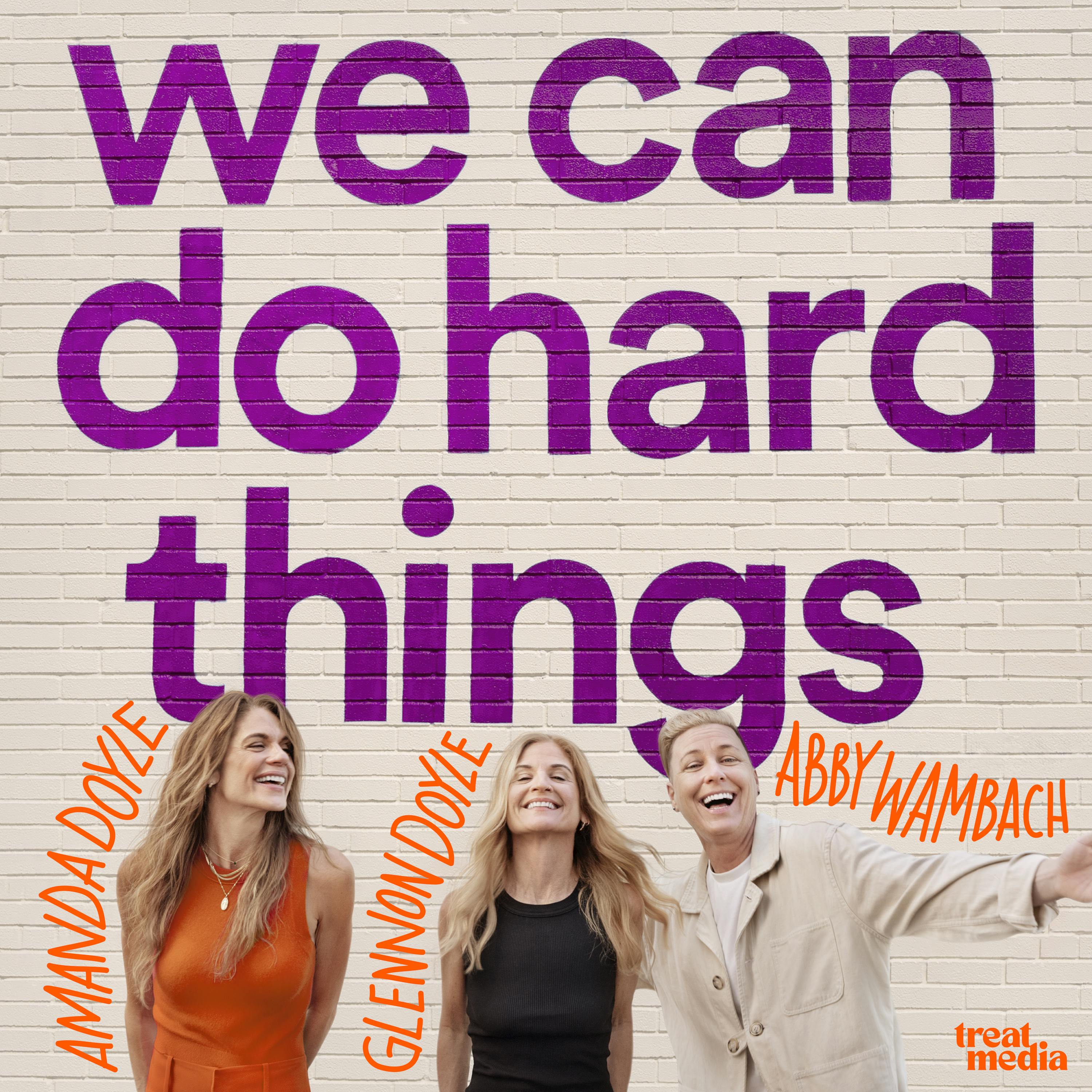
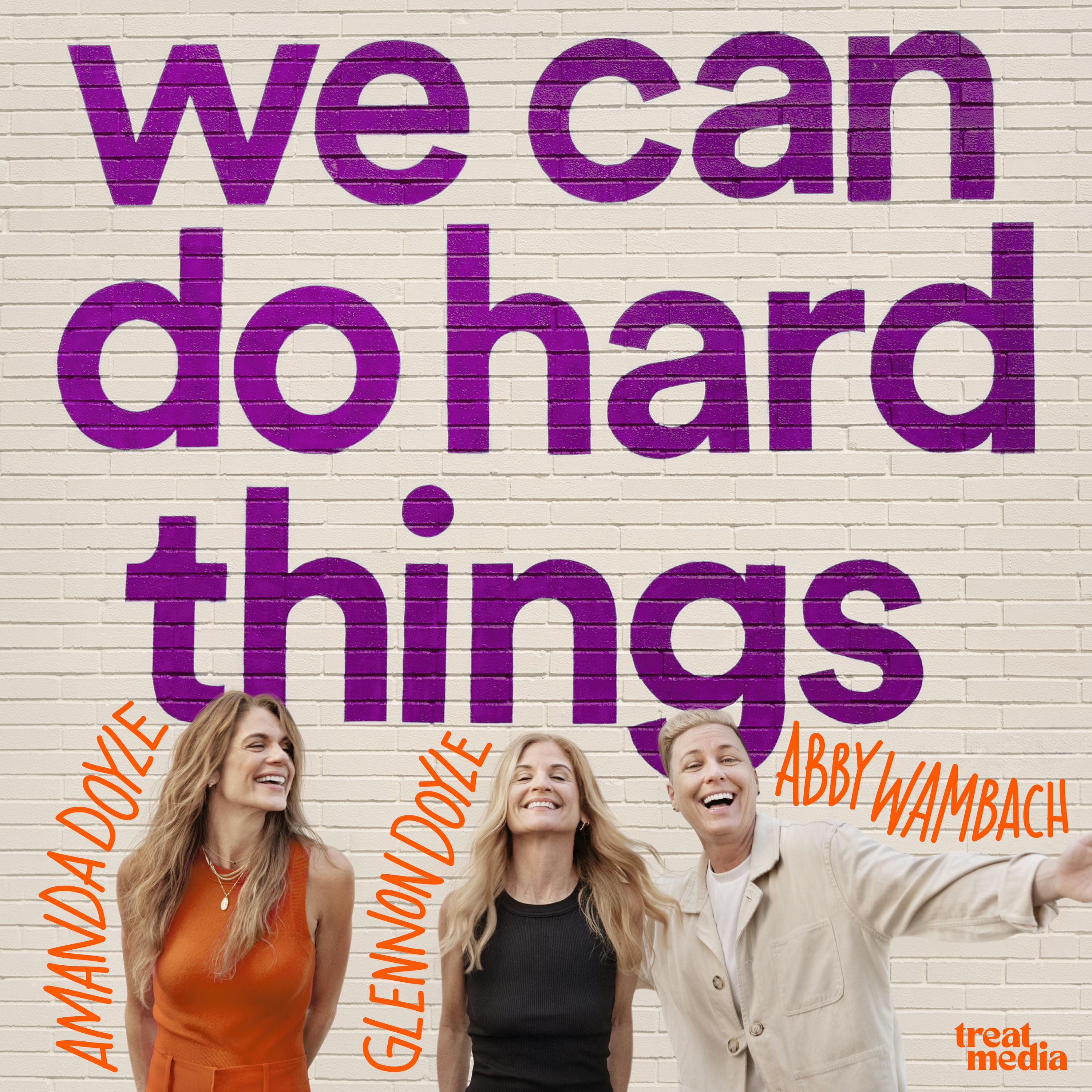
255. Glennon on One Year of Recovery!
Together in G’s home, recording for the first time, Abby and Amanda respond with their reflections and the impacts that G’s recovery work has had on the entire family.
To learn more about listener data and our privacy practices visit: https://www.audacyinc.com/privacy-policy
Learn more about your ad choices. Visit https://podcastchoices.com/adchoices
Press play and read along
Transcript
Speaker 1 One thing I love about our listeners is how industrious all of you are. The stories we hear about you guys going off on your own and starting your own ventures like we did, it's truly inspiring.
Speaker 1 It's a big part of why NetSuite came to us as a sponsor. NetSuite offers real-time data and insights for so many business owners, and by that I mean over 42,000 businesses.
Speaker 1 NetSuite offers the number one AI-powered cloud ERP. Think of it as a central nervous system for your business.
Speaker 1 Instead of juggling separate tools for accounting here, HR there, inventory somewhere else, NetSuite pulls everything into one seamless platform.
Speaker 1 That means you finally have one source of truth, real visibility, real control, and the power to make smarter decisions faster.
Speaker 1 With real-time data and forecasting, you're not just reacting to what already happened, you're planning for what's next.
Speaker 1 And whether your company is bringing in a few million or hundreds of millions, NetSuite scales with you.
Speaker 1 It helps you tackle today's challenges and chase down tomorrow's opportunities without missing a beat.
Speaker 1 Speaking of opportunity, download the CFO's guide to AI and machine learning at netsuite.com/slash hard things.
Speaker 1 The guide is free to you at netsuite.com/slash hard things.
Speaker 1 Netsuite.com/slash hard things.
Speaker 2
Hello, everybody. Welcome to We Can Do Hard Things.
We're welcoming you to our house because for the first time in 250 episodes, the three of us, Abby, me, and Amanda, are all sitting together.
Speaker 1 Is this really the first time we've ever done this?
Speaker 3 This is the first time.
Speaker 2 Yeah, we're all in one place, in one space. This feels so different and
Speaker 2
cool. It's a, it's wild.
Yeah, so we're in what we call the office, but is kind of like a room for books and also is our oldest son's bedroom when he comes home from college.
Speaker 3 He's sort of like a book too.
Speaker 2
Yeah, he's a book. It's a room for all the books.
Yeah, yeah.
Speaker 2 So welcome to our book Chase room. We're so glad to have you here, sister.
Speaker 3
I feel so happy to be here. I feel like this is very special to be.
Well, it's always special to be in your presence. I
Speaker 2 like I'm at my best
Speaker 3 and this feels yeah it it feels like live stage performance yeah you should do some live stage performances I think we should the pod squad should chime in here I mean why do they want us to come on a nationwide tour probably probably I should oh my god do you dance maybe they want to see me dance
Speaker 2 also we should talk about these things before we bring them up on the pod okay this is something that we did not think about we didn't plan to talk about today, but we are in the very early stages of considering going out on the road and coming to the pod squad's towns and inviting them and all sharing space together.
Speaker 3 By early stages, you mean like 60 seconds ago, that was it.
Speaker 2 Yeah. Yeah.
Speaker 3
Very early stages. As in, you heard the earliest stage.
I feel like, um,
Speaker 2 yeah.
Speaker 3 Take this shit on the road. I'm feeling frisky right now, so I don't know how this is going to go.
Speaker 2 Well, it's an interesting segue because I have not done any
Speaker 2 public things, no speaking engagements, no appearances, no nothing for about a year.
Speaker 2
Right. Didn't you say, Abby, that I've been in recovery for about a year? One year ago.
Right. So I don't know that that's true.
All right.
Speaker 2 I don't, I'm time for me is just an idea that some people believe in.
Speaker 1 It is true. Suggestion.
Speaker 2
Yeah. It is suggestion.
It is true, though. Okay.
So, so that's so interesting. So
Speaker 2 when I think about going on tour,
Speaker 2 it makes me understand how much I have accomplished during this recovery, this year of recovery, because it doesn't feel horrible or terrifying to me suddenly.
Speaker 2 Interesting. I think I have a sturdiness that I didn't have before.
Speaker 2 And that's what I wanted to talk to you all about today, because I haven't done a
Speaker 2 update for the pod squad or for you two. I mean, Abby, you see it every day, but we haven't done an update on how recovery is going a year later.
Speaker 2 And what we're talking about obviously is recovery from anorexia, which I started talking to the pod squad about maybe about
Speaker 2 eight months ago or no, I told the pod squad when I first had. So what happened is that I,
Speaker 2 for any new listeners, I have been
Speaker 2
in different stages of recovery from eating disorders since I was 25. I became bulimic when I was 10.
Well, actually,
Speaker 3 you went to therapy for like, it wasn't effective or real. You just said you were fine for a little bit when you were quite young.
Speaker 2
Yeah, that's true. I was hospitalized, et cetera.
But I was, I was not thinking of that. I was not in recovery.
I feel like a break.
Speaker 3 Recovery is when you mean it.
Speaker 2 When you mean to get better.
Speaker 2
Like what I was in is breaks from my life. Right.
I was like a celebrity who is having exhaustion and needs to go to a hospital like for a break.
Speaker 2 Except I wasn't a celebrity and I was was horrifically bleming. Right.
Speaker 3 And it wasn't like to some exotic location. No, it was a local like mental hospital.
Speaker 2
It was a mental hospital. Yeah, which let's do a whole episode on that.
My time in the mental hospital. I would like to do that actually, but that's not for today.
Not today.
Speaker 2 So
Speaker 2 then I
Speaker 2
got what I thought was sober from eating disorders when I got pregnant with Chase. So this was 21 years ago.
And I was okay for a while,
Speaker 2 or what I thought was okay. But about a year and a half ago,
Speaker 2 I had a relapse of bulimia.
Speaker 2 And so after six months of doing nothing about it,
Speaker 2 I went into some deep therapy.
Speaker 2 And what I learned when I went back into therapy was that a very short way of explaining this is that what I thought was recovery from bulimia was actually that I had just taught myself anorexia to fix my bulimia.
Speaker 2 Okay, so
Speaker 2
basically what I did is I didn't really do any of the work. I just kind of figured out how to control the bulimic urges.
Right.
Speaker 3 You could abstain from bulimia by practicing anorexia, which is harder to quantify than bulimia. So you were like, I'm good.
Speaker 2 Yeah, I thought I was just really disciplined, which I was, but that can become anorexia. So
Speaker 2
I entered this like whole new level of therapy. And it wasn't just therapy.
It was a lot of things, like a lot of doctors' appointments. Kind of felt like a holistic
Speaker 2 over time thing where I was doing something related to my recovery every day for a long time.
Speaker 2 And the people who have followed the pod know a lot about that recovery. And it's been very difficult and all-encompassing and confusing.
Speaker 2 And
Speaker 2 I think it's so important to do this kind of stuff, to stop and be like, wait, I want to talk about who I am right now today,
Speaker 2 as opposed to who I was a year ago, because you can miss it all if you don't stop. I think about those, the travelers who used to build those, I think they're called Cairns.
Speaker 2
They're like, when you know, when you go walking and you see like a stack of rocks on top of each other. They're called cairns.
Cairn. I think it's C-A-I-R-N.
I might be making that up.
Speaker 2 We'll have to look at that afterwards.
Speaker 2 You stop on your journey and you kind of like build something to show how far you've come, where you've been. It's like, here's a moment.
Speaker 2 And I think it's important too, because lots of weeks or days, I feel like nothing has changed and I'm still exactly the same and blah, blah, blah, blah. And I lose it all.
Speaker 2 So today, I would like to tell a few little stories
Speaker 2 that make me understand that I am
Speaker 2
recovered ring. Like I'm a different energy than I was a year ago.
I'm in a different
Speaker 2
mind space, spiritual space, bodily space than I was a year ago. And none of the stories have anything to do with food or weight or body, which is so interesting to me.
Like
Speaker 2 I tried to think of one.
Speaker 1 Yeah.
Speaker 2 Then they all kind of do. Well, the first one.
Speaker 2 So do you remember a while ago I was telling the pod squad and you all that I decided that my anorexia in the beginning was just an obsession with appearance.
Speaker 2 And so, how I was going to fix it was become like
Speaker 2
an appearance monk. I was going to stop doing everything related to appearance.
I made all these rules for myself. No more Botox, no more hair, no more makeup, no more face.
Speaker 2 Like, anyway, that was just like replacing one set of rules with a different set of rules, which is what a lot of people try to do in the beginning of recovery. That didn't work out.
Speaker 2 So, then I decided I want to be the kind of human being, the kind of woman who doesn't want to get Botox.
Speaker 2 But I'm not going to stop getting Botox until I don't want to.
Speaker 2 Like, I'm never going to make myself do something
Speaker 2 just because of the idea of it that I don't want to do.
Speaker 3 I'm not going to pick the flower. I'm going to like go to the root and hopefully.
Speaker 2
Exactly. Exactly.
And I'm going to be so gentle and kind to myself until it was, I just, when I decided that I felt like, oh,
Speaker 2
that's so calming. Like, I want to want to not dye my hair.
I want to not want to, but I do want to. That's the thing.
Speaker 2 Like, at the end of the day, I still, I would be disciplining myself
Speaker 2 to not do it.
Speaker 3 Right. Well, it's denial of yourself, which is the same thing as anorexia, right?
Speaker 3 Denying what you want, denying what you need, as opposed to being like, how can I get to the place where I don't want or need that thing? And then it's not denial.
Speaker 3 It's actually like gratification of yourself to not do it.
Speaker 2 Yes.
Speaker 2 And I had this hunch that if I keep
Speaker 2 becoming whatever this round of recovery is helping me become, that there will be a time that I won't want to.
Speaker 2
I just thought that, but I thought maybe it'll be in 20 years. Right.
You know?
Speaker 2 So
Speaker 2 a couple weeks ago,
Speaker 2 I get a message that
Speaker 2 I have a dermatology appointment. Okay.
Speaker 2 So,
Speaker 2 wait, were we together? I feel like we were, yeah, I was like, I don't, why do I have a dermatology appointment? Everything that happens to me is like a big surprise. Okay.
Speaker 2 So
Speaker 2
it's not like I was like, oh, it's coming up. Like, I have no idea what this is.
Right.
Speaker 2 So
Speaker 2 I call and I say, what is this appointment for? And they say, it's for your Botox.
Speaker 2 And what happens in my body is like, I don't want to go. I don't want it.
Speaker 2 I don't want to go to that appointment. I don't have any want in me to go.
Speaker 2 And so then I did this
Speaker 2 thing.
Speaker 2 These words came out of my mouth that would never in a million years. And I say to the person,
Speaker 2 I don't want Botox, but
Speaker 2 can I keep the appointment? And can they make it like a skin test? Like.
Speaker 2 to test me for skin damage or cancer like what do you you know like a mole check like a multiple cancerous screening or whatever. It's an annual checkup.
Speaker 3 Yeah, yeah, it's what a dermatologist was supposed to be. Like exactly, when did dermatologists become places where they're like, yeah, check, check, you don't have cancer.
Speaker 3
But the primary focus of this is to offer all of these aesthetic things. Same with the gynecologist.
I just had to leave one because I went in for my literally, not just, but after Alice was born.
Speaker 3 I went in to get my six month checkup after the baby was born and there were huge posters offering body sculpting oh my god and i was like give me my file what the this is supposed to be a medical establishment where you check to see if my body's okay after massive health situations so anyway no side it shouldn't be extraordinary you shouldn't have to ask for the dermatology appointment to focus on the health of your skin.
Speaker 2 That is such a good point. And did you, I've said something to the gynecologists before.
Speaker 3 Oh, I took my file. Oh, you left.
Speaker 3 I said, I am walking into this waiting room with all of these people who are about to give birth, who have just given birth, who you should be focusing on indications of whether they have postpartum depression,
Speaker 3 whether they have the supports they need for their child and their baby, whether they're able to breastfeed if that's what they choose. And instead, they're walking in post mortem, post-mortem,
Speaker 2 post-mortem, post-mortem, which is a 40-inch. Post-mail, thank you.
Speaker 3 And a little bit post-mortem
Speaker 3
to giant posters of sculpted bellies and saying we offer body sculpting. I said, this is outrageous.
I want my file.
Speaker 2 Highlight?
Speaker 2
Yes. It's ridiculous.
Way to
Speaker 2 blur the line even more in these offices.
Speaker 2 between our own bodies and what we owe the world. So these women are sitting in this waiting room and they're trying to deal with all of the emotions and the mental transition to parenthood.
Speaker 2 And they look at a poster that says right now they should be worrying about their tummy, how it looks to the outer.
Speaker 2 Why isn't this like that? Is the battle of like, wait, it's supposed to be this hard to figure out how to take care of ourselves as people and not just as
Speaker 2 beings that owe this outer shell, like that quote that pretty is not the rent you pay to exist in the world.
Speaker 2 Like it feels like it is.
Speaker 1 I think that you both are very right about this and
Speaker 1 the paradox of the world that we live in. There's a reason why these doctors' places and these facilities are offering is because people are buying them.
Speaker 2 But they have a first do no harm
Speaker 2 oath.
Speaker 1 And you think
Speaker 2 more harm than
Speaker 2 I think walking into an office as a woman where you want to get your skin taken care of because your skin is an organ that holds you in and like walks you through your life
Speaker 2 walking in for your health and then being told by a doctor being suggested that you need cosmetic changes is is doing harm absolutely i think it's yeah i think there should be a brighter line yeah between cosmetic shit yeah that's true and your actual health i get that i really 100 do i think those services should be available and I think you should be able to opt into them or inquire about them.
Speaker 3 And I think you should keep the main thing, the main thing, which is that your doctor is there
Speaker 2 to,
Speaker 3
I mean, the myriad things that go uncovered, unasked about, I have a whole condition. My belly never came back together after, and I have a hernia.
I have all this stuff that was never detected.
Speaker 3 And I didn't even know to look for it. And that would have been at those post
Speaker 3 appointments, but we didn't have time to make sure that was okay, but you have time to check in with me and make sure that I don't want body sculpting.
Speaker 3 So I just feel like, yes, if those services are for you, awesome. You should have the opportunity to inquire about those, to opt into those, but to have that confronted as if like this is
Speaker 3 the main purpose as to why you're here feels like complete bullshit to me.
Speaker 3 And it's a bigger issue about the medical cosmetic establishment and why these individual providers are being incentivized to go into these cosmetic areas because the insurance companies are squeezing them.
Speaker 3
Yeah. And not.
So it's a bigger thing, but it's just, I think if more people were like,
Speaker 3 don't shove that in my face as something that I need to be thinking about if I'm not already thinking about it.
Speaker 2 Right. Yeah.
Speaker 2
Absolutely. And don't shove it in our daughters' faces when we bring them in for their things.
What are they learning from that? If you're a, if you're a doctor who doesn't do that
Speaker 2 good job way to go thank you for fighting the fight
Speaker 1 you know what we don't talk enough about sleep i mean we spend a third of our lives doing it and it literally impacts everything your mood focus workouts even how you show up for the people you love but here's the thing not all sleep is good good sleep.
Speaker 1 That's why I'm obsessed with my Coupe Sleep Goods and my Coupe Adjustable Pillow. It is revolutionary because it's an adjustable pillow where you can remove or add fill to fit your sleep needs.
Speaker 1 Back sleeper, side sleeper, stomach sleeper, this pillow actually adapts to you, not the other way around.
Speaker 1 I got two of these king-size original adjustable pillows after I completed the short sleep quiz, which I highly recommend everyone do. You can ensure you're buying the exact right pillow for you.
Speaker 1
I love it. I love being able to take out the fill until it was perfectly adjusted to my neck and spine.
You can feel the difference, and I want all of our listeners to try this pillow.
Speaker 1 Upgrade your sleep, visit coopsleepgoods.com/slash hard things to get 20% off your first order. That's COOP sleepgoods.com/slash hard things.
Speaker 2 Speaking of not doing shit, I've been thinking about what the difference is,
Speaker 2 why I don't want it now.
Speaker 2 And I think one of the reasons is I'm just feeling a lot more comfortable in my body, just a lot more comfortable. I just want to like look how I look and feel how I feel.
Speaker 2 And I was thinking, Abby, about
Speaker 2 how like a few months ago, you started ordering.
Speaker 2 So I get home one day, and there's like all of these eye creams at our house. And like, we don't know what we're doing with our, we don't, it's not like, we're not, we don't know what we're doing.
Speaker 2 We're not eye cream people. Like every once in a while, someone sends us some shit and we're like, what's this? And then we, you know, whatever.
Speaker 3 Use it for three days and you're like, that should do it.
Speaker 2
Yeah, exactly. That's it, right? It's like a one-time use thing.
And also, come on, just come on with this.
Speaker 2 Like, I know that I'm probably people are going to yell at me about this because everyone feels so strongly about skincare. But this shit,
Speaker 2 really, we're still buying it. We're not one bottle away from like, you know, eternal life.
Speaker 2 But anyway, which is why I was surprised when I got home and my wife, Abby Wombach, had ordered a bunch of eye creams. And I said, what is this shit?
Speaker 2 It's like all lined up by her, you know, Irish Springs on the.
Speaker 2 And she said, I just have been feeling bad about my wrinkles lately.
Speaker 1 Oh, wow.
Speaker 2 And then she said,
Speaker 2 I mean, look at my face. She goes, you're going to not age with me.
Speaker 2 She goes, you're just, I'm over here aging and you're not going to do it with me.
Speaker 3 You're peer pressuring her into being.
Speaker 1 Yeah. I mean, I wouldn't say it was necessarily peer pressure, but like.
Speaker 1
It is noticeable the difference between our faces. It is very noticeable.
I'm just noticing more.
Speaker 1 And I do think it's in stark contrast to Botox's face, like your forehead. I'm just like,
Speaker 1
you're a little older than me, too. And I'm like, what am I doing wrong here? There must be something.
So, yeah, I mean, that's interesting that you picked up on that.
Speaker 1 That I might be feeling a little more insecure
Speaker 1 because I look at you and you're so beautiful.
Speaker 3 Keep up with the Joneses over here at the bathroom sink.
Speaker 2 Yeah, it was a microcosm moment that made me understand
Speaker 2 very
Speaker 2 acutely what we do to each other. Yeah.
Speaker 2 What we do to each other in the wider world
Speaker 2
when we, God bless our hearts, I'm not blaming. I've done it my whole life, but two things can be true at the same time.
It cannot be our fault. We have been conditioned to do this shit.
Speaker 2 Some women say, like,
Speaker 2 if they don't look a certain way in their business places of work, they don't get promoted. Like, I understand all of it.
Speaker 2 And
Speaker 2 when we opt into it,
Speaker 2 we are part of
Speaker 2 people look at our faces and we get used to the way people look. And then we look at ourselves in the mirror.
Speaker 2 And if we have a wrinkle that we have earned by our lifetime, it suddenly looks like a problem because other people don't have it. I just suddenly feel so excited to not be a part of that.
Speaker 2 I am a person who,
Speaker 2 because of my work, people look at my face
Speaker 2 a lot. More people look at my face than the average bear.
Speaker 3 And the average bear, that's for sure. Yeah.
Speaker 2 I'm just like excited to be in quiet solidarity
Speaker 2 with
Speaker 2 just resisting the tyranny of like, you are not allowed to be a human being. When we think about aging, it just means living.
Speaker 3 Yeah.
Speaker 2 It just means continuing to live.
Speaker 2 So as my daughter Tishi always says, like, but it's just like proof of life.
Speaker 2
And that's my favorite thing, proof of life. Like, it's just proof that you're alive.
Yeah. I mean,
Speaker 2 I
Speaker 1 hear all of this.
Speaker 1 And
Speaker 1
it is hard to age. I really think that there is no shame in people wanting to express themselves how they want to.
And I remember telling that to my grandmother when I was young.
Speaker 1 I was like, I love your wrinkles. So she was so
Speaker 1 worried about how she looked.
Speaker 1
And I remember when I was young, I mean, it's really easy when you have not a single wrinkle to be found. So I understand.
And I think that what is so cool for you is that you have been able to
Speaker 1
go through this process of your recovery and figure out maybe what are the things that have been making you sick all along. And it's not just body stuff.
It's the way that you feel about yourself.
Speaker 1 I love this conversation because I think that it is full, chock full of paradoxes where I can see it in both ways.
Speaker 1 Cause, I mean, if you're, if you're 50, 60, 70, 80 year old woman and you're listening to this, you're probably thinking these people have no fucking clue what they're talking about because their faces have not aged yet.
Speaker 1 Yeah. You know, so I just, I want to like.
Speaker 2
Well, I'm almost 50 and my face has not aged yet. And that's because I've been sticking poison in it.
I'm just saying these things are true, right? Like, but now it's coming back.
Speaker 2 I haven't gotten it for like six months. And I'm like looking at myself again.
Speaker 1 How is it looking at yourself?
Speaker 2
I think it's okay. Like, I really think it's okay.
I think I'm okay with it. Anorexia is kind of like a commitment to being steel,
Speaker 2 to being unhuman, to being unmoving, to being a robot. like resisting like it's whatever the opposite of wabi sabi is like wabi sabi is like the the idea that
Speaker 2 everything is decaying and that's fucking beautiful, everything's out of control and that's beautiful. That's like what makes it all beautiful.
Speaker 2
And then our culture is like, freeze it, don't show time passing, don't show mess, don't show love. The opposite of the Velveteen Rabbit.
I want all of the wabi-sabiness.
Speaker 2 Cool. And so I guess what in the paradox, I would say
Speaker 2 that if I had to like tell women anything right now, it would be just do exactly what you want.
Speaker 2 Yeah.
Speaker 2 And then when you want something different, do that.
Speaker 2 Yes. Don't go outside of yourself and think I should.
Speaker 2
If you don't want to do that, I should do it. I should do the Botox.
I should do the hair, but
Speaker 2 no. But if you want to and you think I shouldn't do it, I shouldn't do it, then just do it.
Speaker 3
Exactly. Because another wrinkle, no pun intended in this is that like, I have never even considered doing those things.
Like I've never gotten Botox. I've never gotten whatever.
But it is because
Speaker 3 I would never let myself think about doing that because I would be so embarrassed. It's almost like a pride thing of like, well, I can't be someone who gets Botox.
Speaker 3 It's like that rebellion is just as much of a cage as obedience is.
Speaker 3 Like I am, I wouldn't allow myself to entertain any of those choices because I'd be like, that is outside of who I should be, which is a woman who doesn't do that bullshit.
Speaker 2 So, you know how everyone throws around the term narcissist?
Speaker 2 So,
Speaker 2 you know where that comes from is like this old Greek myth where a person named narcissus
Speaker 2 goes and looks at himself in a lake and then falls in love with the image of himself and
Speaker 2 he gets frozen because he's so in love with the image of himself.
Speaker 2 And so, we now
Speaker 2 call a narcissist a lot of different things. And we've done episodes on what narcissism really is, but what people think it is is someone who loves themselves so much.
Speaker 2 But that story is not about someone who loved themselves. It's about someone who became obsessed with the image of themselves,
Speaker 2 not themselves.
Speaker 2 Narcissists didn't have self-love. Narcissists became enamored with an image.
Speaker 2 So, like, that's what that is.
Speaker 2
It's not coming from inside of you. It's not love of self.
It's love of an idea of yourself, an image of yourself. It's the flip of you.
Speaker 3 Your image of yourself is you don't show any decay. My image of myself is that I am a woman who would never,
Speaker 3 would never entertain such tomfoolery.
Speaker 2 Yeah.
Speaker 3 But they're both images.
Speaker 2 Exactly. And I was always just like, what kind of person am I? Am I a good enough person? Am I the kind of woman who wears flowy clothes? Am I the kind of woman who wears?
Speaker 2 Am I the kind of woman who looks comfortable? Am I the kind of woman who wears a suit? Do I wear beads? I've been trying to find an identity for so fucking long, you know, and it's like,
Speaker 2 what kind of person am I? I guess I should check in. I guess I should find out
Speaker 2 right now. And like, what I am now might be different than what I am tomorrow, which I feel like is kind of the opposite of anorexia or frozenness
Speaker 2 or narcissism.
Speaker 2 Okay, so that was the first little thing was the Botoxic little thing. Well, and by the way, like, I have a hair dyeing appointment tomorrow, yeah.
Speaker 2 So, nobody's going off the deep end here of only my forehead is decaying,
Speaker 2 okay? But one thing at a time, okay. One, I'm gonna be like the Velveteen Rabbit, I'm gonna become human one thing at a time, right?
Speaker 3 The origins of We Can Do Our Things were once just a dream of community and connection and expression. That dream turned into the podcast you are listening to today.
Speaker 3 Starting your own business is a dream lots of us share, but too many of us let it remain just a dream. Don't hold yourself back thinking, what if I don't have the skills? What if I can't do it alone?
Speaker 3 Turn those what-ifs into why-nots with Shopify by your side. Shopify is the commerce platform behind millions of businesses around the world and 10% of all e-commerce in the U.S.
Speaker 3 from giant corporate household names to brands just getting started.
Speaker 3 You can choose from hundreds of beautiful templates to build your store, use AI tools to write product descriptions and enhance your photos, and even launch email or social campaigns that make it look like you've got a full marketing team behind you.
Speaker 3
Take it from me, if you're launching your own business, you do not want to do it alone. There are tools that can help.
We used Shopify to sell our We Can Do Hard Things merch on our book tour.
Speaker 3 We gave 100% of the proceeds of the merch away to nonprofits and Shopify helped us to do all of that easily and seamlessly. Turn those dreams into
Speaker 3 and give them the best shot at success with Shopify. Sign up for your $1 per month trial and start selling today at shopify.com/slash hard things.
Speaker 3 Go to shopify.com/slash hard things.
Speaker 3 Shopify.com/slash hard things.
Speaker 2 So, then we had this really cool thing, which the pod squad probably already knows about, which where we had new pictures taken, and the three of us were together. Yes.
Speaker 2 Okay, so our dear friend Alex Heddison, who's a photographer, and Abby and I's best friend, besides sister Dina and Allison,
Speaker 2 came to us to take pictures of us. We were the three of us together for the pod art.
Speaker 2 I
Speaker 2 don't think there's many things that I hate more than a photo shoot.
Speaker 1 Me too.
Speaker 2 But for different reasons. You just are annoyed and want it to be over.
Speaker 2 I
Speaker 2 don't know how to be.
Speaker 2
I don't know what I'm supposed to wear. I don't know what my hair is supposed to be like.
I don't know how people smile. I don't, it's awful.
Speaker 2 So I was dreading McDredd. Dredder McDredderton.
Speaker 2 Yes.
Speaker 2 I had the most unusual experience, which is that I got up that morning. I got, took a shower.
Speaker 2
I didn't do anything with my hair. I put on my little light makeup, which is foundation, which is really has sunscreen in it.
So it's really just like medicine, not even makeup.
Speaker 1 Doctor prescribed.
Speaker 2 And we had a six-hour photo shoot, and I didn't feel one ounce of stress.
Speaker 2
I felt very natural and normal the whole time. And when we got the pictures back, I was like, that looks like me.
It's the first time I have ever
Speaker 2
looked at a picture and been like, oh yeah, that looks like me. No way.
I've never, I've never seen a picture where I was like, that person looks familiar to me.
Speaker 3 And it wasn't that,
Speaker 3 because looks like you.
Speaker 2 It wasn't about that.
Speaker 3 It was that you were
Speaker 3 calm and in yourself and you weren't performing.
Speaker 2
Yes. I wasn't posing.
I wasn't becoming a different person for a photo shoot.
Speaker 1 That's so interesting because you have,
Speaker 1 ever since I've known you, I can look through some pictures that have been taken of you over the years and every single one looks different.
Speaker 2 I know.
Speaker 1 That you actually look like a different person because I think you're trying to act. like a different person other than who you are.
Speaker 1 So this to me makes so much sense because you're feeling a little bit like yourself. So you don't have to act.
Speaker 3 It's like with you were never able to listen to your voice in anything
Speaker 3 because
Speaker 3 your voice
Speaker 3 maybe was like 1%
Speaker 2 off of authentic
Speaker 3 because you weren't actually at home and grounded
Speaker 3 and coming from that place. So you were so turned off by the sound of your voice voice because even that smidge of inauthenticity is like,
Speaker 3 like staring at the sun. But
Speaker 3 then you were saying how you can listen to your voice now.
Speaker 2 Yeah.
Speaker 3 Because the same thing as it sounds like me is the same thing as when you look at those pictures and say, that looks like me. It isn't what the picture looks like.
Speaker 3 It's that you, when you look in that picture, you see a woman who is comfortable, familiar.
Speaker 2
Exactly. It's not about what I looked like.
It's about what I look like I felt like. Yeah.
You look comfortable. Yeah.
I looked like somebody who was not performing or acting a different self.
Speaker 2 And Alex said that she went home and told her partner, I just took the first good pictures of Glennon Doyle.
Speaker 2 I was like, oh my God. Also, really?
Speaker 2
Yeah, that's true. Or the best.
I think she said the best. Anyway, so there was that day.
Speaker 2 And then
Speaker 2 another thing that happened is that i'm so scared all of these stories
Speaker 1 i'm like
Speaker 2 they're not about me i'm like did i do something wrong no no no they're all the other these are just very little ones and they have nothing to do well you want the last one is includes you sister but
Speaker 2 so um
Speaker 2 this one is so silly but for me felt like oh my god this is recovery okay so i was at a store And I was looking at bracelets. And I really, here's something that is true about me.
Speaker 2
I really like sparkly things. Yes, you do.
Okay.
Speaker 2 And I don't like sparkly things
Speaker 2
because of the way they look to other people on me. I like to look at sparkly things.
Delight. Looking.
I could.
Speaker 2 I'm
Speaker 2
sparkly on the inside right now. Sparkles spark joy.
I mean, I
Speaker 2
just like sparkly fucking things. Like, that is true to me.
I was not taught this.
Speaker 3 I know three things about myself.
Speaker 2
And one is that I like sparkly things. And it's a little embarrassing, right? No, it's like, it's so like femme.
And like, why is it embarrassing? I don't know. It's not like cool.
It's. Yes, it is.
Speaker 1 You figured something out. Okay.
Speaker 2 That shit's fucking cool.
Speaker 1 Okay.
Speaker 2 All right. Like even fish, like fish
Speaker 2 that are sparkly, you know, the ones with the silver. Like I'm just like, oh.
Speaker 3 It's all coming out now. Yeah.
Speaker 2
I can't believe that that got made by God or something. Like just all of it, just the sparkle.
So
Speaker 2
I was at a store and I saw this thing of beads and it was just sparkly, sparkly, sparkly. And it looked so stupid.
Like it did not look, it did not look
Speaker 2 good.
Speaker 3 Yeah, it wasn't like a sophisticated, it's not like what someone would choose to wear.
Speaker 2 Nobody would choose to wear this, right?
Speaker 2 But I was like, I want this because I want to look at this. Right.
Speaker 3 I don't think this will look good on me.
Speaker 2 I think this will look good to me. Yes!
Speaker 2 You don't understand. I was in the store going, oh my god.
Speaker 2 Is that what things are for?
Speaker 2 Is that what things are for?
Speaker 2 Like, I should have things that I love to look at
Speaker 2 on my body, in my life, in my house. Not like, is someone else going to think this thing is cool, but do I like to look at this thing?
Speaker 2 Oh my God. I'm sure that so many people are listening and are like, what the fuck are you talking about? One's over here.
Speaker 3 No,
Speaker 3 it's profound to me.
Speaker 2 To me? Yeah.
Speaker 2 Profound.
Speaker 3 Congratulations, Abby, that you learned that early.
Speaker 2 I just want things on me and around me that I like and that I like to look at.
Speaker 2 And I'm not caring so much. Oh my God, one of our daughter's friends said to her, they were talking about looks.
Speaker 2 She said,
Speaker 2
Well, I don't care about my face. Your face is more important to me.
I have to look at you.
Speaker 2 Isn't that so good? I don't have to look at me. My face is your problem.
Speaker 2 Yes.
Speaker 2
That is the revolution. Yes, it is.
That's good. Okay.
Speaker 2
Last thing is that yesterday, sister and Abby and I were on a walk with Allison and Dina at our house because we're all here. We're all here right now.
It's the most wonderful time of the year. It is.
Speaker 2 And we're going to
Speaker 2 actually, we should just have a whole episode on the things that we've been making you guys do since you've been here. Anyway, it's good.
Speaker 2 So we're walking down
Speaker 2 and
Speaker 2 sister turns to me and we talk about emotional things but we don't have a lot of like sincere tender moments between us right it's the irish catholic in us yeah it's like whoa like being earnest is we're i'm getting better we're getting better at it but
Speaker 2 sister turns to me and says a very emotional tender thing
Speaker 2 she stops and looks at me and says
Speaker 2 this is the least fucked up you have ever been.
Speaker 3 Make it a greeting card, people.
Speaker 2 This is the least.
Speaker 3 It's as sappy as I get.
Speaker 1 I wouldn't look good on a fucking sweatshirt.
Speaker 2
I take, I'll take it. This is the least fucked up I have ever been.
I really do believe that. It's true.
I think this is the least.
Speaker 2 But what did you mean? It's not like you're watching me eat food and thinking she's eating the right amount, or it's not like my body's a certain thing where you're like, so what is it?
Speaker 3 I think it's a
Speaker 3 sturdiness.
Speaker 2 Yeah.
Speaker 3 A groundedness.
Speaker 3 It's hard to explain, but there's a centrality in you that it's like you are inside of you.
Speaker 3 And the things that come at you or come around you or
Speaker 3 whatever is going on outside of you doesn't feel like it disturbs the sturdiness of you. And you have a clarity, I feel like,
Speaker 3 and
Speaker 3 you're able to maintain
Speaker 3 that energetic sturdiness
Speaker 3 regardless of
Speaker 3 energies or people or challenges around you that would normally have been
Speaker 3 before this.
Speaker 3 those energies would have come into you and would have changed the whole ecosystem. Like you would have been affected by other energies and that would have morphed you.
Speaker 3
But now I feel like you are like, this is what I am. And I'm not blocking out those other energies.
I am able to
Speaker 3 kind of
Speaker 3 digest them, deal with them, understand them, but they're not changing my energy.
Speaker 2 Yep.
Speaker 2 That sounds right.
Speaker 1 Yeah, it's it's almost like for the whole of your anorexia, you would go out into the world with your representative, your anorexia representative.
Speaker 1 And over the last year, I've seen an eroding of that representative. It's like this truer,
Speaker 2 this little like kid, kind of.
Speaker 1
I see this little kid. You know how kids are just like, they ask questions.
There's like a curiosity to you. but now this whole person, like the
Speaker 1 essence of you is coming forward and you are just becoming more full. And I'm not having obviously anything to do with your body, but like you're becoming more of a full human being.
Speaker 1 And it's not to say that you don't have moments of anxiety or internal conversations
Speaker 1 about your recovery or about whatever, but it's just been so
Speaker 3 lovely.
Speaker 1 In fact, I find myself
Speaker 1
not being able to be the calm one anymore because that's the world I used to live in. You were anxious and I had to balance the scales.
And so now I feel myself healing through this process too.
Speaker 3 Like you're able to have a more range of emotions because her being calm doesn't mean you always have to only be calm.
Speaker 1
Exactly. I mean, we've talked about this a little bit on the podcast where I'm starting to, I'm doing therapy.
I'm working on my shadow work And it has completely changed my life.
Speaker 1 And the only way I think that I would was ever going to give myself permission to do the work is if I knew that you were okay.
Speaker 1 And I totally know that.
Speaker 3 That's so true that it might not be an anxiety versus calm thing, but that polarization within partnerships is so real.
Speaker 3 If someone is on the certain side of the spectrum, the other person's humanity is diminished because the polarization just occurs where they become the equal and the opposite. Yes.
Speaker 3 Because they have to occupy that space to even it out. And then that further polarizes.
Speaker 3 So it's like no such thing as one-way liberation when people expand their range of humanity, the other person gets to too.
Speaker 1 One thing I love about our listeners is how industrious all of you are. The stories we hear about you guys going off on your own and starting your own ventures like we did, it's truly inspiring.
Speaker 1 It's a big part of why NetSuite came to us as a sponsor. NetSuite offers real-time data and insights for so many business owners, and by that I mean over 42,000 businesses.
Speaker 1 NetSuite offers the number one AI-powered cloud ERP. Think of it as a central nervous system for your business.
Speaker 1 Instead of juggling separate tools for accounting here, HR there, inventory somewhere else, NetSuite pulls everything into one seamless platform.
Speaker 1 That means you finally have one source of truth, real visibility, real control, and the power to make smarter decisions faster.
Speaker 1 With real-time data and forecasting, you're not just reacting to what already happened, you're planning for what's next.
Speaker 1 And whether your company is bringing in a few million or hundreds of millions, NetSuite scales with you.
Speaker 1 It helps you tackle today's challenges and chase down tomorrow's opportunities without missing a beat.
Speaker 1 Speaking of opportunity, download the CFO's guide to AI and machine learning at netsuite.com slash hard things.
Speaker 1 The guide is free to you at netsuite.com slash hard things.
Speaker 1 Netsuite.com slash hard things.
Speaker 2 You know what I think it is that is
Speaker 3 so different is that
Speaker 3 There is a complete
Speaker 3 lack of defensiveness in your posture.
Speaker 3 It reminds me of when
Speaker 3 you were getting together with Abby and mom was so concerned and she was asking all the questions and you were so on edge and so defensive and so
Speaker 3 ready to react at all times to what she was saying. And I was like, you only have to be defensive if someone can take something from you.
Speaker 3
That is your constant posture now is like, I don't have to defend anything. No one can take this piece from me.
No one can take this solidity from me.
Speaker 3 Like this, this solidity doesn't come from other people, so they can't take it. It's like an internal calibration.
Speaker 3 So I think that's where the inquisitiveness and the curiosity can come from, because it isn't like, okay, I'm asking where you're coming from because it might change where I'm coming from.
Speaker 3 It's, I can ask you that because it might edify me in some way, but you're not going to take anything from me.
Speaker 2 Yeah. And it's interesting when you say the one-way liberation, Abby and I talk about our family and like what has happened in our family since recovery, my recovery has started, which
Speaker 2 like our oldest went abroad, got himself this little grant and went to a different country for the whole summer. Like that is just,
Speaker 2 okay.
Speaker 2 And then
Speaker 2 the middle one really started her music, like really got into it and is off doing it with other people that aren't me.
Speaker 3 Literally right now.
Speaker 2 Right now, she's in Tennessee right now.
Speaker 2
And it's just, Abby and I talk about like, that's not a coincidence. Like, it's like the kids energetically finally understood like, she's okay.
We can do our thing.
Speaker 2 That's how it feels.
Speaker 2 Yeah, for sure.
Speaker 2 And
Speaker 2 what's, what's so important to me about these conversations is if you could have talked to me like two weeks ago on a Tuesday, I
Speaker 2
have moments all the time where I'm like, this is just all all bullshit. Like, what is this? I'm not, what am I doing? This is not real.
Like, I'm not really recovering.
Speaker 2
I'm not, I'm just the same person as I was before. Like, I just have so many moments like that that, but coming round the mountain.
Oh, my God. Over and over again.
Speaker 2 But like, I just got a message from the kind of like practice that I'm a part of through, for this like holistic recovery thing that was like, are you going to renew your thing?
Speaker 2
Like your membership in this group or or whatever. And I, there was a part of me that was like, oh, no, I'm good.
Like, oh, really? Yeah. I was like, no, I'm not going to spend all that money.
Speaker 2
I'm not going to, I mean, recovery is so expensive. Like, it's such bullshit.
It's such horseshit.
Speaker 3 See aforementioned medical complex of horseshit.
Speaker 2 Oh my God.
Speaker 2 But
Speaker 2
then I was like, oh, you're so funny. Like, this is, of course, you're going to do this.
Look at, just trust, trust this process. So I re-signed up.
Speaker 2 And it's just so funny because I'm almost 50 and I'm like, oh, yeah, this is who I am. I was just flipping through one of my favorite, like, quote places, and I saw this picture of Miles Davis.
Speaker 2 And right underneath, it just said, man, sometimes it takes a long time to sound like yourself.
Speaker 2
And that's how I feel. Like, it can take a really long time to look how you look.
It can take a really long time to feel how you feel to be who you are.
Speaker 2 So anyway, thank you for
Speaker 2
letting me do this today. It feels really good.
And thanks for being steady and with me throughout this past year and forever. I just feel like you're
Speaker 2 walking me through this has been what has allowed it kind of. And I love you both so much and I'm so grateful.
Speaker 1 I mean, the gratitude should be also pointed back at you because, like I said, not only has it completely impacted my personal life, like in the day-to-day and the interactions with you and the kids,
Speaker 1 but there is something so beautiful about watching your partner go through a difficult uncovering and a difficult time.
Speaker 1 And to watch you continue to do it, you know, this is the first I've heard that you had to like re-sign up for the year-long membership.
Speaker 1 And that is something that I would have been worried about a year ago.
Speaker 1 Something that would have lapsed, something that i needed to take oh yeah something that i know you wouldn't have done
Speaker 1 and so to me this has been so awesome because i was i was ready to go all the way to my grave just protecting you taking care of everything doing whatever i needed to like support you
Speaker 1 and
Speaker 1 what a gift this has been for me
Speaker 1 because
Speaker 1 I feel less stressed about having to do the things right.
Speaker 2 You've got you.
Speaker 1 And to be able to know that deep in my bones has like
Speaker 1 softened me and made me capable of looking at myself and do work on myself. But I said to you last night,
Speaker 1 it now looks like you are actively wanting to live a really long time.
Speaker 1 And the decisions and the ways that you're being and the things that you're thinking about and the ways that you're thinking about stuff. Like,
Speaker 1 it's not just like right now, we got to deal with this one moment. It's like
Speaker 1 you have like a long-term plan.
Speaker 1 And for me, I know that that's going to affect me the most. And I'm, I want you to be around as long as fucking humanly possible.
Speaker 2 I love you.
Speaker 2 Thanks, Pod Squad. We'll see you next time.
Speaker 2 Bye.
Speaker 2 If this podcast means something to you, it would mean so much to us if you'd be willing to take 30 seconds to do these three things. First, can you please follow or subscribe to We Can Do Hard Things?
Speaker 2 Following the pod helps you because you'll never miss an episode and it helps us because you'll never miss an episode.
Speaker 2 To do this, just go to the We Can Do Hard Things show page on Apple Podcasts, Spotify, Odyssey, or wherever you listen to podcasts, and then just tap the plus sign in the upper right-hand corner or click on follow.
Speaker 2 This is the most important thing for the pod. While you're there, if you'd be willing to give us a five-star rating and review and share an episode you loved with a friend, we would be so grateful.
Speaker 2 We appreciate you very much.
Speaker 2 We Can Do Hard Things is produced in partnership with Cadence 13 Studios.