What happens when the data takes a month off?
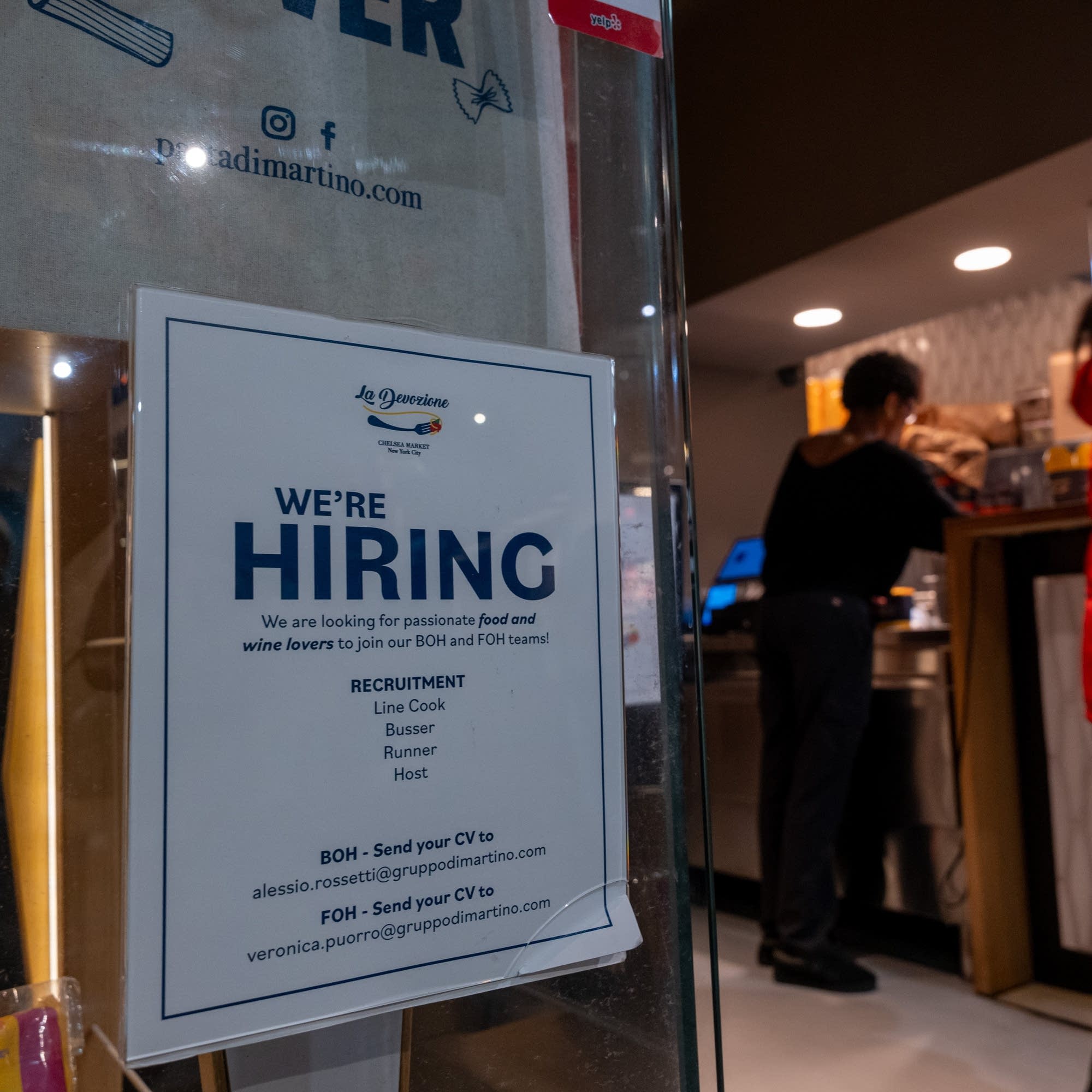
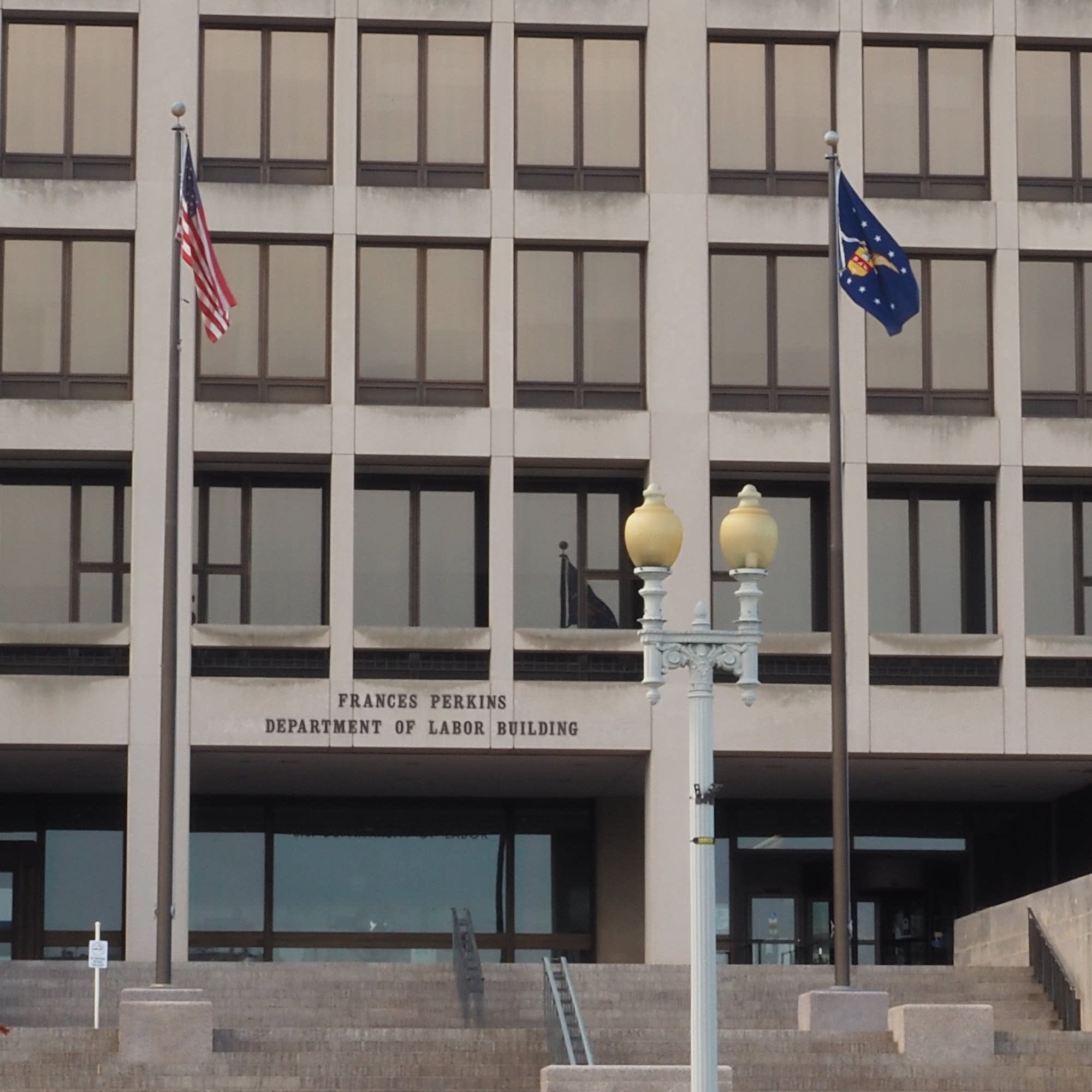
With the government shutdown officially over, the Bureau of Labor Statistics is back at work after a 43-day hiatus. But all that missed data can’t be recreated — and catching up while understaffed will be difficult. In this episode: What reports will BLS prioritize and what’ll be left behind? Plus: Solar projects rush to finish before a tax credit deadline, Disney stops reporting its streaming subscriber numbers, and businesses strategize for a world without pennies.
Every story has an economic angle. Want some in your inbox? Subscribe to our daily or weekly newsletter.
Marketplace is more than a radio show. Check out our original reporting and financial literacy content at marketplace.org — and consider making an investment in our future.
Press play and read along
Transcript
Speaker 1 This podcast is supported by Odoo. Some say Odoo business management software is like fertilizer for businesses because the simple, efficient software promotes growth.
Speaker 1 Others say Odoo is like a magic beanstalk because it scales with you and is magically affordable.
Speaker 1 And some describe Odoo's programs for manufacturing, accounting, and more as building blocks for creating a custom software suite. So Odoo is fertilizer, magic beanstock building blocks for business.
Speaker 1
Odoo, exactly what businesses need. Sign up at odoo.com.
That's odoo.com.
Speaker 3 Introducing your new Dell PC with the Intel Core Ultra Processor. It helps you handle a lot even when your holiday to-do list gets to be a lot.
Speaker 3 Like organizing your holiday shopping and searching for great holiday deals and customer questions and customers requesting custom things, plus planning the perfect holiday dinner for vegans, vegetarians, pescatarians, and Uncle Mike's carnivore diet.
Speaker 3 Luckily, you can get a PC with all-day battery life to help you get it all done. That's the power of a Dell PC with Intel inside, backed by Dell's Price Match Guarantee.
Speaker 3
Get yours today at dell.com/slash holiday. Terms and conditions apply.
See Dell.com for details. details.
Speaker 2 This is perhaps a new idea for some, but stocks go down too, you know. From American public media, this is Marketplace.
Speaker 2
In Los Angeles, I'm Kai Risdahl. It is Thursday today.
This one is the 13th of November. Good as always to have you along, everybody.
Speaker 2 Well,
Speaker 2
here we are. The shutdown's over.
Food assistance programs are going to pick back up. Air traffic controllers and TSA agents are going to get paid.
Speaker 2 And government economic data is going to start coming again.
Speaker 2 Now, all three of those things are good things, so stipulated.
Speaker 2 But should you be looking for a reason or three that Wall Street went belly up today, I would offer the prospect that the government economic data we are getting set to start getting again maybe ain't going to be so good.
Speaker 2 That anticipated weakness, by the by, is also contributing to a dawning realization that maybe the Federal Reserve is going to decide that it's not going to cut rates come its December meeting.
Speaker 2
I mention all of that as a way to get to this. Had the shutdown not happened, the Bureau of Labor Statistics would have released the October Consumer Price Index today.
It didn't, obviously.
Speaker 2 And in point of fact, even as the BLS gets back to work today, some data might be lost and gone forever. Marketplace's Carla Javier gets us going.
Speaker 4 Skipping the October numbers might be the Bureau's only option, says Jesse Rothstein at the University of California, Berkeley, and a former Department of Labor economist.
Speaker 5 Unfortunately, there's not really a way to make up for data that wasn't collected in October.
Speaker 5 You can't really go to a store and look at the shelf and figure out what the price would have been a month ago.
Speaker 4 He says collecting data takes time.
Speaker 5 The household survey is one where they call something like 60,000 households each month and ask them a series of questions about how much they've worked and what their labor market experience has been.
Speaker 5 Obviously, you need a lot of people to make that many phone calls.
Speaker 4 On top of that, the Bureau was already understaffed after cuts earlier this year, says Erica Groshen at Cornell. She's a former commissioner of the BLS.
Speaker 6 And so its ability to redirect people, to reassign them temporarily, to ask people to do overtime to, you know, all hands on deck approach, that ability is just definitely reduced.
Speaker 6 So it's just going to be harder.
Speaker 4 She says she's an outsider now, but that BLS tends to prioritize seven principal federal economic indicators.
Speaker 4 The employment situation, consumer and producer price indexes, import and export price indexes, productivity, and the employment cost index.
Speaker 4 She says leaders could decide other reports, including the job openings and labor turnover survey or jolts, are less of a priority because if the November inflation and jobs reports were to be delayed, that would impact the Fed at the December meeting.
Speaker 6 Their windshield would be more cloudy than normal.
Speaker 4 Skipped or delayed data can affect people's everyday lives. Employers use the numbers to make decisions on wages and hiring, says Michelle Evermore at the National Academy of Social Insurance.
Speaker 6 These data go down to the state, local, sectoral level so that departments of labor and employment agencies can make decisions about how to deliver trainings and how to, you know, help shape the economy on a local level.
Speaker 4 We reached out to BLS about its priorities as it reopens, but did not hear back by our deadline. I'm Carla Javier for Marketplace.
Speaker 2 Wall Street today,
Speaker 2 yeah, forget about it. We'll have the details when we do the numbers.
Speaker 2 The thing about equities, stocks, is that you got to walk on past the daily ups and downs. Today, for instance, because the fact is 2025 has been a banger on Wall Street.
Speaker 2 And yes, the stock market is not the economy, but that longer horizon you got to have about things when you think about the market can be instructive. So we got Kirsty Gibson on the phone.
Speaker 2
She's an investment manager on the U.S. equities growth team at Bailey Gifford.
Kirstie, welcome to the program. Good to have you on.
Speaker 7 Great to be here.
Speaker 2 Would you
Speaker 2 explain what you do for a living, just in nuts and bolts terms?
Speaker 7 Yes, so I am an investment manager. Basically, in really simple terms, I have clients.
Speaker 7 So other people, whether that be pension schemes and things like that, and I try to make the money that they provide to me, I try to make that money grow over long periods of time.
Speaker 2 And so, long period of time is how long?
Speaker 7 So, our average holding period is, you know, five to ten years. But there are some names or some companies that Bailey Gifford as a company owns that we've owned for a lot longer than that.
Speaker 2 As you peruse then,
Speaker 2 in no particular order, the global economy, the American economy, and the way the American political dynamic is playing into the market now,
Speaker 2 how are you thinking about things?
Speaker 7 Yeah, I mean, ultimately, as a long-term investor, the economy obviously plays a role in how I think about companies and how I think about investing, but it's not the singular thing that I'm focused on.
Speaker 7 And I think the way I would frame it is, I am looking for businesses that have the resilience to be able to navigate the short-term challenges.
Speaker 7 And some of those businesses, some of those short-term challenges will be things like the macro or who's in power at the moment or various other bits and pieces.
Speaker 7 But I'm also looking for businesses that have the adaptability to navigate the long run.
Speaker 7 And that's much more to do with who's running the business, what their vision is for the business, what problem they're solving.
Speaker 7 So we're much more focused on the kind of structural changes that we believe will drive company fundamentals over the long run.
Speaker 7 We're not spending all of our time trying to second guess what interest rates are going to be in two years' time.
Speaker 2 Yeah, interest rates are one thing, but there's policy things that are happening, certainly in the United States and elsewhere, that are happening
Speaker 2 on the turn of a dime, you know? And I guess,
Speaker 2 how does one have the intestinal fortitude to manage investments through that?
Speaker 7
Yeah, I mean, it's hard. It's not easy.
It means that you have to have the resilience as an individual to spend significant periods of time looking pretty stupid and
Speaker 7 be willing to tolerate that.
Speaker 7 But I think that we know as a firm that when we look at the, look back at history and we look at the companies that we have invested in, like they go through these periods of ups and downs in their share prices.
Speaker 7 And if you're willing to ride out those periods of ups and downs, you can deliver significant returns.
Speaker 7 And I think that ultimately, like you say, the challenge at the moment is that things can change on a dime.
Speaker 7 But ultimately, we're looking for companies that we believe are driving structural change, regardless of who is in power.
Speaker 2
So let's talk about some of those structural changes. One, and I'll just, I'll roll a couple off and you tell me what you think about them.
One is artificial intelligence.
Speaker 2 The other one, obviously, is climate change. There are big systemic things that are happening that are affecting, you know, a five or 10-year time horizon like you have.
Speaker 7
Exactly. Yeah.
And I mean, something like AI is a, artificial intelligence. AI is a, is a really interesting topic because it feels like a paradigm shift, right?
Speaker 7 This is something that is fundamentally affecting businesses from the very large all the way through to the very small.
Speaker 7 But you know, we're very lucky as a firm to have access to the management teams and the you know the visionaries that are leading these companies to spend time with them to understand how they're thinking about investing in artificial intelligence, for example.
Speaker 7 And that helps us to piece together this broader puzzle of how we think the world might be changing over a five to ten year view.
Speaker 2 Not to get all Rumsfeldian on you you here,
Speaker 2 but what are the unknown unknowns out there?
Speaker 7 Yeah, I mean,
Speaker 7 one of the challenges that I think at the moment actually is connected to that, the discussion we just had on artificial intelligence is I think it's really difficult to know exactly what the future of something like the internet is going to look like right now.
Speaker 7 So, you know, historically we've had an internet that's based on you as an individual visiting websites and deciding to consume content from them, to make purchases from those websites.
Speaker 7 What happens if we're all going through an AI or we're using an agent to do our shopping? What does that mean for the underlying companies underneath?
Speaker 7 And that is an unknown unknown from the point of view that we don't know exactly how that is going to play out. It's all about hypotheses as opposed to certainties.
Speaker 2 Maybe you're right about AI being in this structural moment here, but what if you're wrong?
Speaker 2 I mean, you know, we all had the dot-com bust of 2000, and it took a good long while for everybody to wrap their brains around what the internet could do, you know?
Speaker 7 Yeah, and I think that there are, we are probably grossly underestimating the potential of artificial intelligence in some areas and potentially overestimating it in others.
Speaker 7 Like I say, it is a hypothesis. There will be parts of that you get wrong, but there will also be parts of it that you get directionally right.
Speaker 7 I think the challenge is that people will want certainty, like, how is this going to play out? How exactly is this going to happen?
Speaker 7 And I think you're right that when you look at something like the dot-com bubble, it's easy to draw analogies and say, well, it's like it was last time, et cetera.
Speaker 7 But the reality is some of the most successful companies of today are born out of that period of time. It was painful at the time,
Speaker 7 but those companies have gone on to flourish and be very successful.
Speaker 2 What's the monster under your bed? What keeps you up at night?
Speaker 7 I think it's grappling with that. that sense of
Speaker 7 acceptance around that you're not always going to be right.
Speaker 7 And that, as much as you can hope and you can want companies or technologies, et cetera, to succeed, that sometimes that just won't be the case.
Speaker 7 And I think that the longer I have done this job, I think the more comfortable you feel with being wrong, but it doesn't necessarily make it easier when you are.
Speaker 2
Kirstie Gibson, she's an investment manager, Bailey Giffords. Kirstie, thanks very much for your time.
I really appreciate it.
Speaker 4 Well, thank you very much.
Speaker 2 It's been a while, but we are going to return now to our semi-regular series of stories loosely gathered in the file labeled, You Cannot Fight Market Forces.
Speaker 2
This second Trump administration loses no love for renewable energy. We know that.
And yet more renewable sources are being built, and in some cases more quickly than ever before.
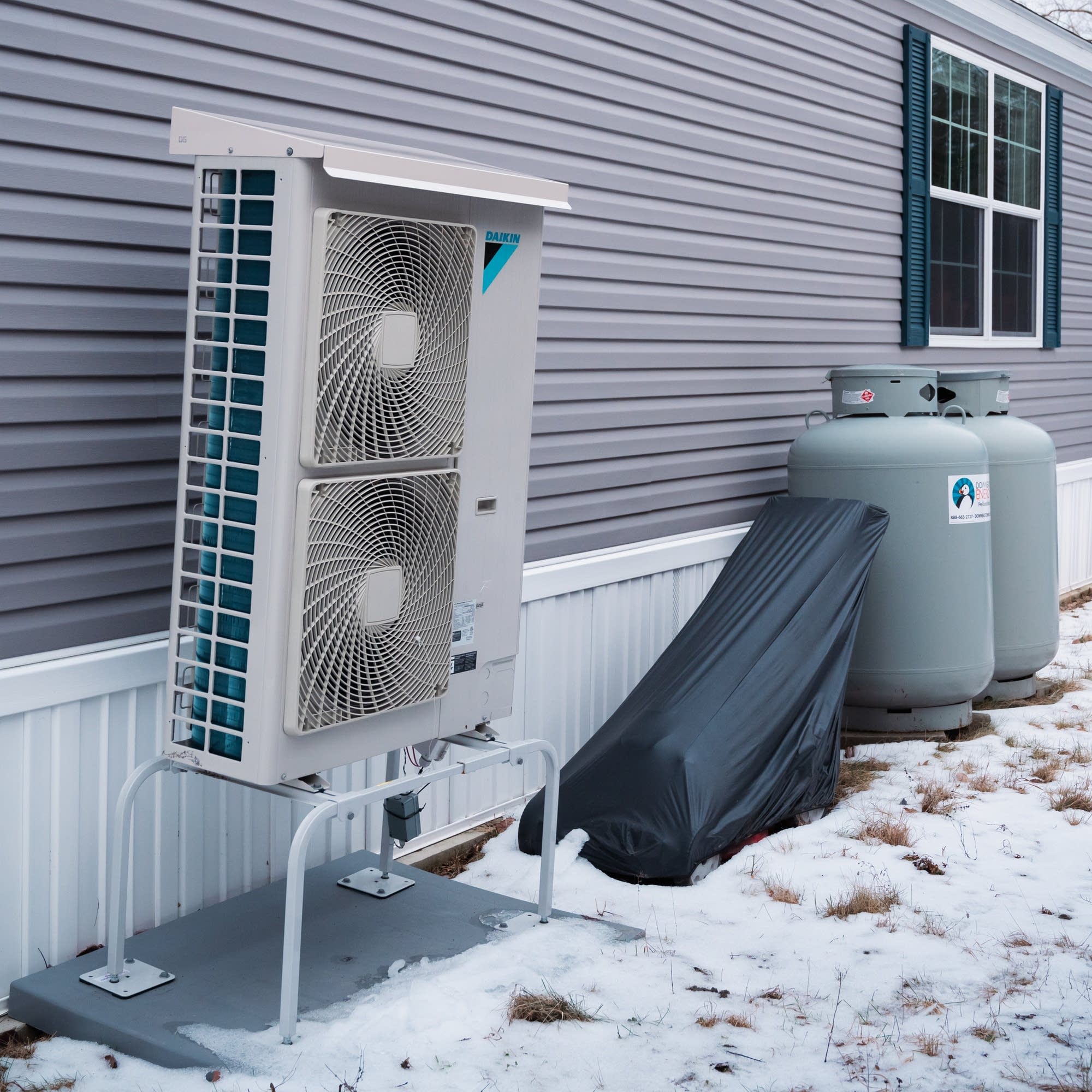
Speaker 2 According to the Energy Information Administration, that's part of the Department of Energy, fewer solar developers are reporting delays in bringing their projects online, and just 20% of planned solar capacity is behind schedule.
Speaker 2 This time last year, that number was 25%.
Speaker 2 Marketplace of Daniel Ackerman takes it from there.
Speaker 9 Developing a large solar project is usually something of a marathon.
Speaker 9 It takes years of financing, contracting landowners, getting environmental permits, but all of that has turned into a sprint, says David Victor, an energy policy researcher at UC San Diego.
Speaker 5 Everyone's racing to get physical construction of projects underway by July of next summer.
Speaker 9 July 4th, to be exact, because that is the deadline set by President Trump's One Big Beautiful Bill Act, after which projects won't be able to get federal tax credits.
Speaker 9 Some states have been helping solar developers beat the deadline, says Leah Stokes, a political scientist at UC Santa Barbara.
Speaker 6 For example, in Oregon, the Democratic governor, Tina Kotak, is saying, hey, we're going to remove as much permitting red tape as possible so that we can build solar fast.
Speaker 10 You are going to see a tremendous amount of pull forward of projects for the next nine months.
Speaker 9
Reagan Farr is CEO of Silicon Ranch. That's a solar power provider based in Tennessee.
And one challenge he faces in pulling projects forward is that everyone else is doing the same.
Speaker 10 Right now, there's a very tight market for hiring these construction firms that can get out there and mobilize on the timeline that you need.
Speaker 9 There's competition for equipment, too. Farr says he was recently at a ribbon cutting for a new transformer factory with a bunch of other power company execs on hand.
Speaker 10 And they were all there to show support for this transformer manufacturer, but also to help secure slots.
Speaker 10 They all need to get their equipment ordered and begun construction. So
Speaker 10 we're all doing the same thing. The deadlines are unambiguous.
Speaker 9 But even when the race to July 4th ends, Sarah Mills, an energy researcher at the University of Michigan, still expects plenty more solar projects.
Speaker 6 There are a number of states that have requirements that the utilities increase the amount of power that they're getting from renewables.
Speaker 9 And even where that's not the case?
Speaker 6 In most parts of the country, renewables are the cheapest form of new electricity. So we will still see renewables in the future.
Speaker 2 With or without tax credits.
Speaker 9 I'm Daniel Ackerman for Marketplace.
Speaker 3 Coming up.
Speaker 11 Hey, Federal Reserve, help us. We need we need a solution here.
Speaker 2 A penny for your thoughts. But first, let's do the numbers.
Speaker 2
Yeah, the Wawas. Now, Industrials down 797 points today, 1 and 6 tenths percent, 47,457.
The NASDAQ down 536 points, 2.3%,
Speaker 2
finished at 22,870. The S ⁇ P 500 subtracted 113 points.
That's 1 and 7 tenths percent, 6, 7, 3, 7. There.
Speaker 2
Verizon Communications is the latest major employer to announce layoffs. Company says it's going to cut 15,000 jobs, of course, as a cost-saving measure.
That's what they all say.
Speaker 2
Verizon gained three-quarters of 1% today. Dan Ackerman was talking about solar.
Next-era energy dimmed 2.2% today. First solar dropped 4.1 tenths of 1%.
Speaker 2
Tesla is negotiating with Apple to add car plates to its electric vehicles. It's CarPlay, just singular, to its EVs.
Bloomberg's reporting that it's a reversal.
Speaker 2 Elon Musk pointedly has not included the Apple feature until now.
Speaker 11 One does wonder what is up with that.
Speaker 2 You are listening to Marketplace.
Speaker 12 This podcast is brought to you by Wise, the app for international people using money around the globe.
Speaker 12 With Wise, you can send, spend, and receive up to 40 currencies with only a few simple taps and save up to 55% compared to major banks.
Speaker 12 Whether you're buying souvenirs with pesos in Puerto Vallarta or sending Euros to a loved one in Paris, you know you're getting a fair exchange rate with no extra markups.
Speaker 12 That's what makes Wise the fast, affordable way to use your money around the globe.
Speaker 12 WISE offers 24-7 live support and runs over 7 million daily checks to catch and prevent fraud, so you know your money is where it's supposed to be. Be smart.
Speaker 12
Join the 15 million customers who choose WISE. Download the WISE app today or visit wise.com.
Learn more by visiting wise.com/slash US slash compare. T's and C's apply.
Speaker 1 This podcast is supported by Odoo. Some say Odo business management software is like fertilizer for businesses because the simple, efficient software promotes growth.
Speaker 1 Others say Odo is like a magic beanstalk because it scales with you and is magically affordable.
Speaker 1 And some describe Odo's programs for manufacturing, accounting, and more as building blocks for creating a custom software suite. So, Odoo is fertilizer, magic beanstock building blocks for business.
Speaker 1
Odoo, exactly what businesses need. Sign up at Odo.com.
That's ODOO.com.
Speaker 2 This marketplace podcast is supported by Wealth Enhancement, who understand that dreams don't happen by chance. It takes a plan.
Speaker 2 They're ready to build your wealth blueprint for retirement, investing, taxes, and everything else your financial life brings.
Speaker 2 It reveals gaps and highlights opportunities you may have missed at no cost to you. Find out more at wealthenhancement.com/slash blueprint.
Speaker 13 It's time for Black Friday, Dell Technologies' biggest sale of the year.
Speaker 13 That's right, you'll find huge savings on select Dell PCs like the Dell 16 Plus with Intel Core ultra-processors, and with built-in advanced AI features, it's the PC that helps you do more faster.
Speaker 13 From smarter multitasking to extended battery life, these PCs get the busy work done so you can focus on what matters most to you.
Speaker 13 Plus, earn Dell rewards and enjoy many other benefits like free shipping, expert support, price match guarantee, and flexible financing options.
Speaker 13 They also have the biggest deals on accessories that pair perfectly with your Dell PC, improving the way you work, play, and connect.
Speaker 13 Whether you just started holiday shopping or you're finishing up, these PCs and accessories make perfect gifts for everyone on your list. Shop now at dell.com/slash deals and don't miss out.
Speaker 13 That's dell.com/slash deals.
Speaker 2
This is Marketplace. I'm Kai Rizdahl.
It's tough to pick a favorite, so to speak, amid all the red on Wall Street today, but we are going to go with ticker symbol DIS down 7.7% on the accession.
Speaker 2 The Walt Disney Company reported earnings this morning
Speaker 2
not great overall. Revenue pretty much flat.
Television and movie studios kind of weak. Streaming, though, was a bright spot.
Speaker 2 Between Hulu and the company's flagship service, Disney Plus, Disney added 3.8 million paid subscribers during the quarter.
Speaker 2 But as Marketplace's Savannah Peters reports, that is the last read we are going to get on that particular digital economy performance indicator.
Speaker 8 Getting a read on what kind of media people are consuming has always been complicated, says Eleanor Patterson, a professor of media studies at Auburn University.
Speaker 8 When TV ratings came on the scene, she says companies tracked the viewing habits of households with cable subscriptions and extrapolated from there.
Speaker 14 How do you capture a group of teenage women watching Dancing with the Stars in their dorm common, you know?
Speaker 8 Or 50 people watching the same football game at a bar.
Speaker 8 In the age of streaming, it's a lot easier for media companies to track how many viewers they have and exactly what content those viewers are drawn to.
Speaker 14 I'm logged into a service. They can see how many people are watching something instantly.
Speaker 8 But streamers don't have to share any of that data with the rest of us. And increasingly, they're choosing not to.
Speaker 8 According to Disney, subscriber numbers are, quote, less meaningful to evaluating the success of its streaming business than they used to be.
Speaker 15 Once a metric stops looking as sweet as it once did, it becomes less relevant. It's funny how that works.
Speaker 8 Ross Benish is a senior analyst with eMarketer.
Speaker 8 He says in the growth at all costs stage of the early streaming wars, it was advantageous for some streamers to share a running tally of subscriber growth.
Speaker 15
Because that was a positive story for them. You know, look the other way that we're losing all this money.
Focus on that we're gaining viewers at an impressive clip.
Speaker 8 Streamers are no longer trying to get in front of as many viewers as possible. They're trying to sell ads, says Brian Fuhrer, senior vice president at Nielsen.
Speaker 16 Yeah, I think it's a big opportunity. You know, some of these platforms have grown quite considerably, and now they're looking at the next business opportunity.
Speaker 8 And advertisers care less about overall subscriber numbers than viewership for particular shows. Data that's gathered by third-party ratings companies like Nielsen.
Speaker 8 So if it sounds like streamers have moved the goalpost, that's because they have. I'm Savannah Peters for Marketplace.
Speaker 2 You've surely heard by now that the last penny ever was minted yesterday in Philadelphia. Back in February, President Trump had told the U.S.
Speaker 2 Mint to stop producing them because, in no small part, they cost around 4 cents to make, but are worth yes just one penny we're not getting any new ones but that does not mean pennies are gone what it means is that there's an ever decreasing supply of them in circulation and that is a problem for consumers and businesses alike heather hadn't wrote about it for the wall street journal heather welcome to the program thanks so much tell me uh about burger king specifically why'd you start there
Speaker 11 well it was something that i had heard about from burger king operators so the actual franchisees that are running these restaurants and they were saying, you know, we were just talking amongst ourselves, particularly our IT guys, and we said, we have a problem here.
Speaker 11 What are we going to do as we start running at it with pennies?
Speaker 11 And you may say, why do pennies matter anymore when people are going to pick up their burgers? But a lot of people still pay for fast food with cash.
Speaker 11
And these owners were saying, we need a fix for this. We need something to do because we are running short on pennies.
So
Speaker 11 armored car services were saying, listen,
Speaker 11
good luck to you. We don't have any pennies anymore.
So you got to figure out a solution.
Speaker 2 We'll get into the whole we don't have any pennies more thing in just a second, but I want to back up to something you said. A lot of fast food restaurants depend on cash.
Speaker 2 A lot of low-end consumers use cash. So while it's a simple matter for a lot of people of two or three more cents, it definitely adds up and there's actually macroeconomic impact on this stuff.
Speaker 11 Yeah, absolutely. And a penny might not sound much, but for some folks who are literally watching their pennies,
Speaker 11
you know, it does matter. And also, it's just the feeling of, you know, people have felt burned by fast food prices after the pandemic.
They went up and up. And so this is kind of the latest issue.
Speaker 11
Like, oh, now I'm being shorted pennies or they want me to use a credit or debit card instead. And I don't want to do that.
And this irritates me is what I heard from consumers. Right.
Speaker 2 There is a circulation of money through the economy part of this thing, and you do get to this in the piece. The Federal Reserve has stopped accepting pennies for deposit.
Speaker 2 A lot of people you talked to are urging the Fed to reopen that function.
Speaker 2 Literally, there are fewer pennies out there, even though there are like $250 billion in circulation. Many of them are like in jars on my desk for crying out loud.
Speaker 11 That's right. You are the problem.
Speaker 2 Your pennies in my jar are the issue.
Speaker 11 But yeah, there are these local Federal Reserve repositories which provide change to businesses and retailers.
Speaker 11 And much quicker than folks in the finance community expected, a lot of these local repositories are no longer providing pennies.
Speaker 11 And that means that this whole penny phasing out process is accelerating much quicker than a lot of retailers or bankers expected.
Speaker 11 And so the trade groups that represent restaurants, retailers, bankers are saying, hey, Federal Reserve, help us.
Speaker 11 We need a solution here because this is happening much quicker than our members expected and they need some guidance.
Speaker 2 Well, so let's keep going with that guidance thing, right? Because businesses are asking the government writ large for guidance on what is fundamentally a business operations kind of thing.
Speaker 2 What are they looking for out of state, and I imagine the federal government?
Speaker 11 So a couple of things. One is for those repositories to maybe continue to circulate these pennies.
Speaker 11 And then the retailers and restaurants, they are looking for more guidance on roundings.
Speaker 11 So, in certain jurisdictions, localities, states, there are rules that pertain to rounding or the handling of cash and currency that they worry
Speaker 11 could mean that they are not allowed to round like now currently a lot of retailers are having to do.
Speaker 11 So, they want some assurance that if they're rounding up or down, that they're going to be okay here.
Speaker 2 Just to sort of bring it to the end of this piece, and you mentioned credit card fees.
Speaker 2 You end this piece with a woman saying, you know what?
Speaker 2 I'm just going to use the credit card so I don't have to round, and the businesses can just suck up that percent swipe fee, which is kind of telling on how consumers feel about this.
Speaker 11 Aaron Powell, that's right. And that's clearly been in the news lately as well, these swipe fees that retailers hate.
Speaker 11 They don't like having to shoulder these burdens. But
Speaker 11 as...
Speaker 11 This loose change issue becomes kind of embedded, more consumers are just like, I'm going to use my credit card because it's easier. I don't have to deal with this rounding issue.
Speaker 11 The cashier doesn't have to deal with the rounding issue. And so that means that some of this burden could go back to businesses.
Speaker 2
It is just a penny, but it's kind of a big deal. Heather Hatton covers restaurants at the Wall Street Journal.
Heather, thanks a bunch. I appreciate your time.
Speaker 11 Thanks so much.
Speaker 2 This final note on the way out today: a quick one-two on housing. First, Intercontinental Exchange, that's the financial services company that owns, among other things, the New York Stock Exchange.
Speaker 2
They're out with a new report that says 1.6% of all homeowners in this economy are underwater. That is, they owe more than the home is worth.
1.6%, not huge, but it is the highest in three years.
Speaker 2 Also, Atom, that's a property analytics company, A-T-T-O-M.
Speaker 2 They say new foreclosures were up 6% in October from a month earlier, up 20%
Speaker 2 year-on-year.
Speaker 2 Our daily production team includes Livy Burdett, Andy Corbin, Nicholas Guillong, Maria Hollenhorst, Sarah Leeson, Sean McHenry, and Sophia Terenzio. I'm Kyle Rizdahl.
Speaker 2 We will see you tomorrow, everybody.
Speaker 2 This is APM.
Speaker 17 Sometimes kids ask questions that reveal just how much adults still need to learn, like, can you explain what causes an economic bubble? And why are things so expensive at the airport?
Speaker 17 Or how much national debt might be too much?
Speaker 17 Fear not, Million Bazillion is back with a new season to help you and your kids become pros at understanding how money shapes the answers to all those questions and more.
Speaker 17 Listen to the latest season of Million Bazillion on your favorite podcast app.