RHS 170 - Josip Rupena Explains the World of Crypto Home Mortgages
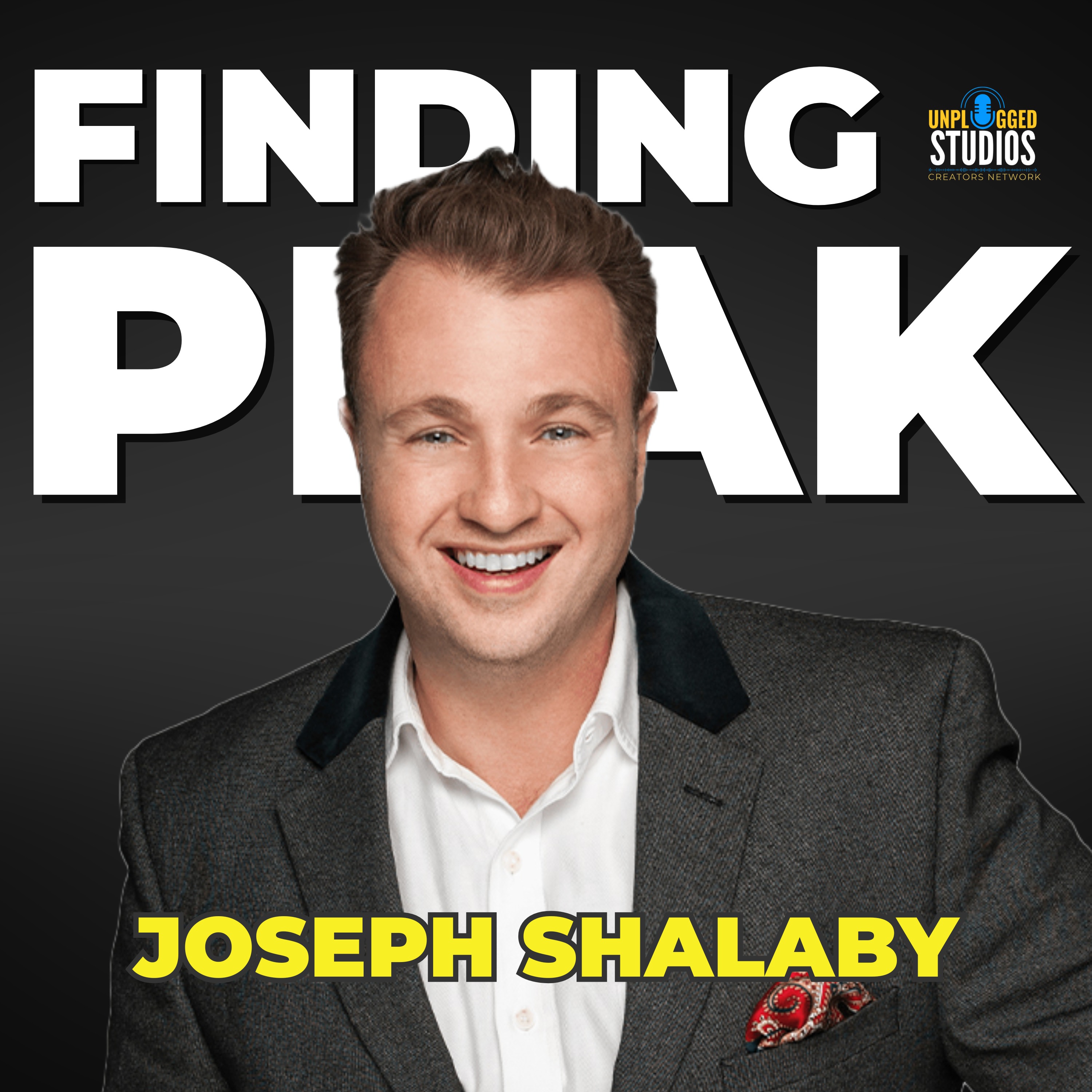
Josip Rupena is the founder and CEO of Milo.
Milo is reimagining how global and crypto consumers access credit and financial services in a borderless world. They have built the first digital home lending solution to buy U.S. real estate or cash out their equity.
This is an incredible conversation you don't want to miss...
Episode Highlights:
Josip shares about his background in financial services and asset management and what led him to start Milo. (5:57)
Josip mentions that he hopes that the current market, in which mortgage volumes are decreasing due to high rates and a lack of inventory, inspires agencies to become more innovative, including discovering other means of insuring income and other factors. (8:18)
Josip explains that they've done over $130 million in mortgages and haven't had a single person who hasn't made payments. (13:36)
Josip shares what a crypto mortgage is and how it works. (17:29)
Josip discusses the loan application and payment procedure. (22:18)
Josip mentions that they also release USDC stablecoin for just 40% of the loan amount because it is tied one-to-one to the dollar. (23:31)
Josip discusses some of the regulatory issues they faced as a lender, as well as their advantages. (28:35)
Josip explains why they chose Coinbase over the other platforms. (30:46)
Josip mentions that things are changing with crypto and that it is maturing as an asset class, in addition to the consumers who invest in it. (42:49)
Josip hopes that more companies will enter the market at some time so that they can all come up with new ideas and grow quicker since the client will benefit. (45:29)
Josip believes that Crypto Mortage is the first mortgage product that can really help a consumer preserve and potentially expand their net worth over time. (47:31)
Key Quotes:
“We want to make sure that we minimize the risk of who we do business with, that we're compliant. Because ultimately, when we give someone a loan…it's a long term asset. It's not a two month speculative asset, right? People are thinking about this in terms of like, it impacts their life. So we have to take that responsibility very, very seriously.” - Josip Rupena
“I hope at some point that there are more companies that come into the space so that we can all ideate and evolve faster. Because ultimately, the one who's going to benefit is going to be the customer, right?, with more companies like ours.” - Josip Rupena
“What's unique about this product is it's really the first mortgage product that can really help a customer preserve their net worth and possibly grow it over time. ” - Josip Rupena
Resources Mentioned:
Josip Rupena LinkedIn
Milo
Reach out to Ryan Hanley
Rogue Risk
Finding Peak
Press play and read along
Transcript
Speaker 1 This episode is brought to you by Progressive Insurance. Fiscally responsible, financial geniuses, monetary magicians.
Speaker 1 These are things people say about drivers who switch their car insurance to Progressive and save hundreds. Because Progressive offers discounts for paying in full, owning a home, and more.
Speaker 1
Plus, you can count on their great customer service to help you when you need it. So your dollar goes a long way.
Visit progressive.com to see if you could save on car insurance.
Speaker 1
Progressive Casualty Insurance Company and affiliates. Potential savings will vary.
Not available in all states or situations.
Speaker 3 Everybody knows Shaq, but off camera, he's just a regular guy.
Speaker 5 People never believe me when I say I'm just like them. I take out the trash, do dishes, and I struggle with moderate obstructive sleep apnea or OSA.
Speaker 5 And a lot of adults with obesity also struggle with moderate to severe OSA. You know those scary breathing interruptions during sleep, the loud snoring, choking, and daytime fatigue?
Speaker 5
I knew I had to talk to my doctor. Don't sleep on the symptoms.
Learn more at don't sleep on OSA.com.
Speaker 3 This information is provided by Lilly, a medicine company.
Speaker 6 Life doesn't pause when you're sick. Vaccines against respiratory illnesses can help protect you and give you more playtime with your best friend.
Speaker 6 Depending on age and health status, vaccinations for flu, COVID-19, RSV, or pneumococcal infection may be recommended. Vaccines can help keep you from having a rough time.
Speaker 6 Learn more at cveep.org slash vaccines dash protect. Brought to you by the American Lung Association and CBEEP, Fighting Infectious Respiratory Disease.
Speaker 9 In a crude laboratory in the basement of his home.
Speaker 10 Well, everyone, welcome back to the show. Today we have an absolutely tremendous episode for you.
Speaker 10
It is a conversation with Joseph Rapenna, the founder and CEO of Milo, the first crypto mortgage company. Now, I know many of you out there probably laugh at crypto.
Ha ha ha, I'm so smart.
Speaker 10 I work in the insurance industry and crypto is silly and for children.
Speaker 10 And I think that there's some of that is probably actually true.
Speaker 10 Many of the cryptocurrencies, tokens, etc., are for children.
Speaker 10 However, the blockchain technology and the core crypto tokens, the core assets in crypto are still being built upon and there is major money flowing into them. Bitcoin, Ethereum, USDC, a few others.
Speaker 10 And we don't specifically talk about crypto because crypto is not the point.
Speaker 10 What I wanted to get into and wanted to show you guys and talk about are some of these industries that are forming around crypto that are relevant to us, very relevant to what we do as insurance agents.
Speaker 10 And this is, I think, you'll just find this to be an intriguing conversation, a very interesting conversation about something that, you know, we don't necessarily deal with every day, but absolutely feels like it's going to be something that five, ten years down the road is going to be part of what we do.
Speaker 10 I mean, these are going to be conversations we're having with our clients, and I want to get these things in front of you.
Speaker 10 That's what I find interesting, and that's why I do this show and share it with you. Before we get there, guys, just always want to give a mention to Finding Peak.
Speaker 10 It's a kind of blog sub stack that I'm created created around peak performance and health, mentality, our relationships, our fitness, and how we can use that and harness that as a competitive advantage in our business.
Speaker 10
And those articles come out every Friday. They're free.
You can subscribe and get them by email.
Speaker 10 And then every Tuesday, I put out very specific content to Rogue Risk and like tactical strategic information. Oftentimes we use video that
Speaker 10 things that I've learned at Rogue Risk that you can hopefully apply in your own agency.
Speaker 10 So, check out Finding Peak. Would love to have you over there as well.
Speaker 10 But as always, appreciate you being a listener to this show. Love you for being a listener to this show.
Speaker 10
And I think you're going to really enjoy this episode. Before we get there, quick shout out to my peeps at Tivly.
Guys, you've heard me talk about Tivly a lot.
Speaker 10
They are a foundational lead resource for us. We have an incredibly high cogent closing rate with them.
It's always north of 50%. Sometimes it pushes close over 60%.
Speaker 10 And if you have people, if you have agents who can sell
Speaker 10 warm call transfer leads, then Tivly is the spot for you. I mean, I just, we've been a client for almost two years buying leads from them.
Speaker 10
And all we continue to do is up our buy rate with them as we get better and better at handling them. We get better and better at writing more business.
And
Speaker 10
I love working with Tivly. I love their sponsor of the show.
And all you need to do is go to tivly.com. And if you haven't heard of Tivly, they used to be commercialinsurance.net.
So go to tivly.com.
Speaker 10
That's Tivly.com today. All right, let's get on to Joseph Rapenna and learn about crypto home mortgages.
Here we go.
Speaker 8 Hey, how are you?
Speaker 9 Hey, how's it going? Good. How's it going?
Speaker 8 Very well. Very well.
Speaker 8 Appreciate you coming on the show.
Speaker 9
Yeah, absolutely. Absolutely.
I decided to restart my machine just in case.
Speaker 8 Yeah.
Speaker 9 So I'm just taking a little bit of time.
Speaker 8 Sorry about that. That's all good.
Speaker 8 I'm working from home today too for a couple of different reasons. And
Speaker 8 for some reason when i go to the office i'm like pretty pretty certain everything's gonna like fire up and work exactly the way they should and whenever i'm at home i'm like what's gonna break today like what is gonna be the thing that like doesn't work but we're we're we're fine um
Speaker 8 uh it's all good so
Speaker 8 so i i'm super interested and and what you're doing and i'd love to to get right into it um
Speaker 8 because you know so our our industry um one of the things i thought was really interesting about that the industry that uh the primarily the listeners to this podcast are all in the insurance industry so um we we have you know over the course of the next month something close to 10 000 people will will listen to this from all different walks and some of them write commercial personal you know all different lines but primarily they tend to be um independent uh agencies so so they own their own agency can work with multiple different carriers they're not locked into a state farm or whatever i'm not familiar are with the property cash and insurance market but a lot of them sell homeowners insurance And when I came across you and what you were doing, and I want to talk about in the broad, a broad sense, everything you guys have going on and your perspective and,
Speaker 8 you know, with all the different things that are happening in crypto, how that impacts us.
Speaker 8 But this idea of a mortgage, either backed by crypto, and I will say I don't understand all the nuances, so I'm super excited to learn from you.
Speaker 8 But this idea that just kind of originally hooked me was, you know, as we see rates going up on standard mortgages and everyone kind of thinks about the standard way um you know this seems one like like an alternative way to get a mortgage or at least to provide collateral for a mortgage and then two like where do we see this going how does it impact and um and i and i kind of wanted to make all the people that listen to this show aware of this alternative form of financing for a mortgage if some of their clients start to come to them and ask questions or or whatever in terms of homeowners insurance so for all those reasons um and all those things that we're interested in what you're doing um maybe just start by let's start with the origin story like where did milo come from where do you come from like uh what's your uh what's your what's your origin story
Speaker 9 yeah i guess that's that's a great place to start so first off thanks thanks for having me on the on the show and uh giving me the opportunity to sort of share the story um so so my background is not in mortgage um it's it's primarily in financial services on the asset management and private banking side um working with clients um and helping them make some smart financial decisions.
Speaker 9 And a lot of my clients were international. So I worked, I started my career at Goldman Sachs.
Speaker 9 I ran a family office with multiple international clients and most recently was at Morgan Stanley prior to starting Milo.
Speaker 9 And what I saw through that experience is that there's a lot of really great consumers out in the world, both US and international.
Speaker 9 But the way that most financial products have been built is for mass market, for consumers that fit a really nice box. And
Speaker 9 depending on what type of financial product they want, it could be very challenging for them to qualify or not qualify for, right?
Speaker 9 So I started with the company really wanting to help international clients be able to get mortgages. And through this journey with the company,
Speaker 9 have seen that these gaps are pretty big and the opportunities to work with customers that are less conventional is a sizable opportunity.
Speaker 9 And that was sort of how we evolved from working with international clients to most recently, you know, launching a crypto mortgage.
Speaker 9 But it's because customers today and their backgrounds and how they make their income and all of that, it's different than it was maybe 20 years ago. And companies like ours can sort of
Speaker 9 fit that box and help them out.
Speaker 8 And is the issue tend to be both the international nature and the non-conventional methods of
Speaker 8 creating an income? That's what,
Speaker 8 I don't want to say confuses, but tends to kick people out of the standard financing system. I mean, I know,
Speaker 8 you know, when I first started my business,
Speaker 8 you know, in thinking through loans and stuff, the fact that you don't have a standard W-2, even just, even just having a business in which you're taking, you know, either dividends or distributions out of versus taking, you know, standard W-2, there's all kinds of additional hoops that you have to jump through in order to prove how much you make and, you know, whatever, even though you're
Speaker 9 and you really only know that when you want to get the mortgage, right?
Speaker 8 Yes, yeah, yeah, yeah, yeah.
Speaker 9 Like, if you're self-employed, you're like, all right, I'm going to have an LLC, right? I'm going to structure my business in a certain way.
Speaker 9 And
Speaker 9 the way you set up your business may not be great if you're trying to get a mortgage, right? And you're trying to basically conform
Speaker 9 to the way that standards are. And
Speaker 9 so
Speaker 9 I'll say, you know,
Speaker 9 the mortgage market here in the U.S. probably works better than anywhere in the world, right? You know, we're able to originate 2 2 trillion plus of mortgages that get delivered to Fannie and Freddie.
Speaker 9 So it's hard to say that that system doesn't work.
Speaker 9 It does work. It does work if you work for a company, you've got really good sort of stable income, you've got a good FICO score,
Speaker 9 you've got everything that you need to basically
Speaker 9
conform for that loan. But what you describe, right, the self-employed, I'm buying an investment property or I'm international.
I don't have a social security number,
Speaker 9 but I have wealth and I've got a private banker in the US, right? All of these particular situations, or I've got crypto, right? Like, you know, all these things make you fall outside of that. And
Speaker 9
the Fanny Freddie machine is not designed to consider those factors. Yeah.
They're really concerned around how do we help 95% of the people that actually fit in this really nice situation.
Speaker 9 And they don't have time to figure it out.
Speaker 9 Now, what I think is that the world is changing somewhat, and there's a lot more people that are self-employed, right?
Speaker 9 Like, mortgage really hasn't evolved, and the qualifying hasn't evolved if you are
Speaker 9 a gig economy worker, right? If you're self-employed, right? If you're
Speaker 9 a social media influencer, right? Like, there are so many ways where you can make income today
Speaker 9
that just doesn't fit on an ISW-2. And I don't think that's changing anytime soon.
I think what will happen, though, is that as more mortgages get originated for these differentiated consumers, maybe
Speaker 9 that
Speaker 9 prompts some changes at the agencies to think about maybe including alternative ways of underwriting income and other factors. But that's going to be an evolution, right?
Speaker 9 They're going to have to sort of see, all right, this is actually something that we should consider.
Speaker 9 And in a market that we are today, where mortgage volumes are going down because rates are high, because there's less inventory,
Speaker 9 it might prompt them to have to become more creative, which is what I'm kind of hoping for.
Speaker 8 Yeah. It's almost like
Speaker 8 in order to do trillions in mortgage volume, origination volume or whatever, you have to put everything in a box. Like you can't do that much volume while still considering these kind of more bespoke.
Speaker 8 solutions, which is really what it sounds like you did was you started to look at these people who were struggling and come up with um
Speaker 8 uh a customized kind of uh white white gloves type of pipe solution and now uh through through milo you started to almost create a streamlined process for those individuals so what was you know i'm interested in like um that like uh light bulb moment that and and maybe it probably happens like all things it doesn't happen in a moment happens over time but where you started you started to feel enough friction that you decided it was time to to create a repeatable solution to the problem
Speaker 9
Yeah. Yeah.
I mean, for me, it happened at Morgan Stanley, right? I was at a bank. I had started my career 10 years earlier at Goleman, and having to been at Morgan Stanley and sort of seeing that
Speaker 9 it was becoming much harder for an international client to do business in the US and want to move their assets. And
Speaker 9 Morgan Stanley was one of those firms that was doing business with them,
Speaker 9 but they were using domestic platforms, right? A domestic mindset
Speaker 9 to onboard that customer, to do KYC, to do AML, anti-money laundering, right? Like all these things that you need to do.
Speaker 9 If you were a US customer, you can open up an account in 10 minutes. If you were an international customer, it might take you two weeks, two months, or two years, right? Or never,
Speaker 9 because the process was very, very manual. And
Speaker 9
we had customers asking us for mortgages. We just weren't doing it well.
And then I would talk to my other peers and say, hey, like, you get the request. And they were saying, yeah, absolutely.
Speaker 9 all the time, right?
Speaker 9 You know, they want to buy a property here, they've got an account with me here, they want to spend more time in the U.S., they want to send their kids to school in the U.S., and um,
Speaker 9 and we can't do this well.
Speaker 9 And it was that aha moment of saying, Well, it's never going to work well because you can't underwrite an international consumer the same way that you underwrite a U.S. consumer, right?
Speaker 9 It just doesn't fit. Yeah, um, so then that was sort of that moment of saying, All right, well, we have to basically start and understand what is the consumer,
Speaker 9 what can they provide, and is that sufficient for you to get comfortable deciding to do a loan for that customer, as opposed to saying, all right, I'm going to start on the other side and say, all right, like, these are all the things that I need.
Speaker 9 Well, the reality is that this person may only be able to satisfy three out of 10, not because they don't have the other seven, it's just because it's just not native for them, right?
Speaker 9
They're never going to have a social security number. So you said, okay, you've got to start on the other side.
You got to say, okay, these are the 10 things that I know I can get every single time,
Speaker 9 create a unique process for them, build a risk model around it, build an underwriting model, and
Speaker 9 then start in that way. And fast forward today,
Speaker 9 we've done over $130 million of mortgages where we don't have any person that hasn't made payments, right?
Speaker 9 Performance has been spectacular from that perspective, but it's because we understood that we were going to work with customers that were different, not necessarily riskier in the conventional sense.
Speaker 8 How many countries have a credit score similar to the way, or maybe not calculated similar, but similar in methodology or philosophy to the way we do, where, you know, this literally, I have both my bank and my credit card tracking my credit score at all times.
Speaker 8 So I can kind of have a feeling of like where we are. And what's nuts is like, you know, you,
Speaker 8 if, if, if you pay your bill off, and I'm, what I'm starting to realize is like, you pay your bill off early, your credit score will jump seven points. It's like this number is so important
Speaker 8 to how you financially operate your life. You know, how do
Speaker 8 most Western countries have something similar? Is this a completely foreign concept? Like, how does that work?
Speaker 9 Most developed nations have it. I would say sort of of the sort of major countries, I think the majority of them do have credit scoring systems.
Speaker 9 I think there's companies like Nova Credit that are trying to basically bring that international scoring system and convert it into something that is more relatable to a US. uh FICO score
Speaker 9 what we've found out though is that we don't just get customers from five countries, right? Last year, we had clients from over 90 countries apply.
Speaker 9 So then how do you standardize a process where if you have customers that don't have, come from a country that don't have a FICO score or some type of credit scoring system, how does that turn into something where it's not necessarily a ding because they don't have it?
Speaker 9 And then you have to think about, well, like, what are the things that if I were to talk, you know, work with people from 90 countries, what are most of them going to have?
Speaker 9
And then have that be my standard process as opposed to saying, well, this is pass or fail, pass or fail. You just say, no, like, I think that they can all give me more or less these 10 things.
Yeah.
Speaker 9 And then I can basically make a decision around that. So I think we've, we've gotten more down the path of saying,
Speaker 9 what has Fanny done with a credit box,
Speaker 9 but doing this for the crypto consumer, doing this for the international consumer, and saying, well, these are the things that I know they can provide every time. And I'm comfortable with that.
Speaker 9 That's the way, that's the way we've thought about it.
Speaker 8 Now, with an asset like crypto, which, you know,
Speaker 8 i don't want to go down too many like uh third rails with crypto but uh but like let's say in general a much more volatile asset than the us dollar like just for purposes of conversation whether because we're talking to different individuals they may have different points of view but just in general i think most people would kind of say that's true okay so um
Speaker 8 what
Speaker 8 it you know just especially what's happened even in the last year uh to the crypto market in general if you you know when crypto is sitting in the, in the 40s, you know, you have a million, let's say you're sitting on a million dollars in crypto and now all of a sudden it's sitting in the low 20s.
Speaker 8 Now you have 500,000, you know, that seemingly
Speaker 8 could be a major hit to your ability to pay or, you know, what you could put up for collateral.
Speaker 8 What it seems,
Speaker 8 it seems like a, I don't want to say risky, but certainly, certainly a.
Speaker 8 certainly you're taking a risk by by creating a model around this like i guess what gave you the the confidence to step into this market and start to allow people to use crypto as both a payment and or collateral?
Speaker 8 And maybe just explain what a crypto mortgage is in general.
Speaker 8 Yeah.
Speaker 9 Yeah,
Speaker 9 so we announced and launched a crypto mortgage last year, and it was really rooted in a couple of sort of very, very basic principles.
Speaker 9 One of those being that
Speaker 9 this is a market that people are choosing to invest in.
Speaker 9 For many of them, it's becoming a significant portion of their net worth. And for others, almost all of their net worth.
Speaker 9 And
Speaker 9 they've owned this for greater than five or six years. Many of the clients that we've worked with bought Bitcoin at $15, right? $20.
Speaker 9 So that has been a very, very important aspect of their life of how they've created wealth, which today puts them in a position. to potentially afford that home.
Speaker 9 And for many of them, they've been putting off that decision because it was really one or the other.
Speaker 9 Well, if I go to a traditional lender, they're going to ask me to sell my Bitcoin, turn it into cash, season it for two to three months, and then try to qualify for a mortgage.
Speaker 9 If you have a significant amount of Bitcoin, the reality is that you may be living off of your net worth, right? Your Bitcoin, right?
Speaker 9 If you've got 10 million or more of Bitcoin, you may not need a standard day job. today, right?
Speaker 9 You may be financially wealthy and independent already.
Speaker 9 So this was really around that idea that people would want to continue to hold this Bitcoin and were getting into this age demographic where they were going to want to buy homes.
Speaker 9 And we felt that we could come in and come up with a solution that would bounce both things out. And
Speaker 9 thinking about it from a credit and underwriting perspective, we felt that the Bitcoin was not. and Ethereum wealth was not a detractor, but actually it was a positive aspect
Speaker 9 because of the element that it was liquid. Whereas when you give someone a mortgage on a home, the foreclosure process can be very expensive, can cost upwards of $50,000, can take over 12 months.
Speaker 9 It's ultimately not good for anybody, but it's even worse for the consumer because they lose out their equity
Speaker 9 that they've worked really hard to build up. So, we looked at it and said, well, can we combine both? Can we combine the real estate transaction and think about their asset
Speaker 9 that's liquid and combine them? And that's what we did. So, a crypto mortgage is really the ability for a customer to buy a home let's say a million dollar home
Speaker 9 today we're going to require them to post at least a million dollars in bitcoin that's going to be held at coinbase
Speaker 9 and they're not going to have to put a down payment so we can finance 100 of the transaction and that's significant because they're no longer having to sell for a 30 down payment which would trigger potentially a long-term capital gains tax of 23% or more, right, depending on the state that they're from.
Speaker 9 And at the same time, it will allow them to continue to hold their Bitcoin position,
Speaker 9 which they've held for a long time. You know, they still remain very, very
Speaker 9 bullish over the long-term viability of Bitcoin.
Speaker 9 They're able to continue to hold their position and at the same time, buy a house. So we're really giving them optionality to now say, I don't have to wait to buy that home.
Speaker 9 I can actually do that today because Milo is going to consider my net worth
Speaker 9 to be able to purchase that property. And from our perspective, we're looking at it and saying, well, the fact that they're posting this Bitcoin,
Speaker 9 it's really non-payment protection for us, which actually hasn't existed in mortgage and real estate, right?
Speaker 9 No one's created that concept where you could basically take two forms of collateral and reduce the risk of working with a particular borrower.
Speaker 8 Okay.
Speaker 8 So I want to,
Speaker 8 there's a couple of concepts in there I just want to clear up in my head.
Speaker 8
So you, so I want to, I'm going to get a mortgage. I'm going to get a mortgage from you.
I have a million dollars and
Speaker 8 the loan amount for this is going to be
Speaker 8 a million bucks. I need to have a Coinbase account that has a million dollars in currently valued.
Speaker 9
It doesn't have to be a Coinbase. You could have it in a wallet.
It could be
Speaker 8 in any
Speaker 8 wallet address that has
Speaker 8 corresponding amount uh one-to-one ratio amount of crypto uh bitcoin only other coins or just bitcoin
Speaker 9 bitcoin ethereum okay and usdc which is a stable coin yeah which makes a lot of sense okay cool um
Speaker 8 and then uh
Speaker 8 i essentially
Speaker 8 still
Speaker 9 i essentially still own that bitcoin i'm making payments out of that bitcoin to you as payments are due and and so you're not so you're not making it out of out of the bitcoin so the way the transaction would work is that they would come in and they would apply for a loan with us they want to buy a million dollar home we will tell them we can finance the million dollar home they're going to have to take the million dollars in bitcoin that you have at any number of wallets they're going to transfer it to coinbase yeah it's going to sit there effectively in an escrow yep they're still going to own it and then they're going to make monthly payments like they have with any other mortgage.
Speaker 9 It's not going to come out of those proceeds, but they're just going to be making mortgage payments like any other type of loan transaction. So think of that as just sort of like this escrow reserve.
Speaker 9 And that escrow reserve is really in Bitcoin, right?
Speaker 8
That makes, that makes so much sense. I gotcha.
Okay. So what, so what you guys are basically saying is to us, a million dollars in Bitcoin, Ethereum, USDC
Speaker 8 is,
Speaker 8 is,
Speaker 8 is, is a good enough collateral, which seems to make sense to me, a good enough collateral for us to trust that you're going to make payments because you know that if you don't make payments on this
Speaker 8 that that becomes ours and that
Speaker 8 that that that holding yeah we can we can we can liquidate a proportional amount yes yeah yeah yeah yeah yeah yeah yeah that not just ripped away from them but exactly that's really so so we asked for a million dollars yeah so we asked for a million dollars you know
Speaker 9 because of the volatility yes right it's if it was less right then we would ask for for less um we started off with that concept because we wanted to make sure that individuals that took out this mortgage wouldn't be in a margin call, potentially, right?
Speaker 9 Where they would have to post more Bitcoin or reduce their loan amounts.
Speaker 9 And after doing this now, since last year, we had no margin calls, even in spite of the price of Bitcoin and everything going down.
Speaker 9 So we feel that our models proved to be right, that that was the right level to start at.
Speaker 9 We did come out with a
Speaker 9 USDC stablecoin at only 40% of the loan amount because it's tied one-to-one to the dollar. So there's no volatility.
Speaker 9 So that's also something that we launched because people were asking us for that as well.
Speaker 8 Can they stake the this is a silly quote, maybe, but can they stake the USDC while it's sitting in the account?
Speaker 9 Like they can't because what we do with the digital assets is it literally sits in cold storage. Yeah.
Speaker 9 So we're not turning around and re-hypothecating it and lending it out like all of the things that you read over
Speaker 8 why everything blows up every seven to eight years.
Speaker 9
Yeah. Exactly.
So our perspective is this customer is posting this. For us, it's non-payment protection.
It's not ours. It doesn't belong to us.
We cannot speculate with it.
Speaker 9
We do not speculate on price action. It literally just sits there.
And if that customer calls us up this afternoon and says, I want to pay off my mortgage, we're going to give them a payoff statement.
Speaker 9 We're going to say, okay.
Speaker 8 as the moment you pay we're going to transfer it back this is yours and it's there it's in cold storage and we can track all of it on chain okay so i i really like this concept because essentially, what you're doing is saying instead of having to go through all the hoops of FICO scores and social security numbers and, you know, all this, all this stuff.
Speaker 8 And anyone who's bought a house on, you know, I mean, this is months and months of data collection and back and forth, and then a meeting where you're signing 10,000 documents and all this, and you're passing checks.
Speaker 8 And instead, what you're saying is, we're, you know, you hit these 10 data points that we need for whatever
Speaker 8 and post this collateral, which we're willing to accept in these three tokens um that that is enough proof for us to have to go you know you could have a 600 credit score in argentina but if you hit these 10 data points that we need and can post say half a million dollars in bitcoin because you're purchasing a half a million dollar home we're willing to accept that trade-off that um the the the stick of we have this Bitcoin that we can take from to make these payments for you is enough that you're most likely not going to put that in jeopardy.
Speaker 8 And that's what you found, right?
Speaker 9
Yeah. Yeah.
And our crypto mortgage, you know, the majority of it, I would say almost all of it is for U.S. customers.
Yeah. Right.
Speaker 9 It's the individual who's, you know, it's the first-time homebuyer, who's never bought a property, who's looking to now get his first home and
Speaker 9 is looking to do this.
Speaker 9 So it's really, it's really fascinating because there was a data point that came out last year from Redfin that said one out of every eight first-time home buyers
Speaker 9 sold some form of digital asset.
Speaker 9 And that's really the theme that we're playing in with this particular loan program is that we expect people to continue to want to invest.
Speaker 9 If this appreciates faster than their equity portfolio or their other forms of assets that they hold, something like this is going to be necessary for them.
Speaker 9 And someone's going to have to think outside of the box of
Speaker 9 how do you qualify them. And right now it's a one-to-one, but in the future,
Speaker 9 it might be different, right?
Speaker 9 We're constantly thinking about how do we allow more people to qualify for this um do they want to put a down payment you know what if they want to put other forms of assets you know does it only have to be crypto could it be other other type of collateral um so that that's how we're thinking about you know solving this but understanding that if we can underwrite a consumer and they're willing to do certain things to reduce the risk for us then yeah we should be able to lend to them and and come up with a good solution for for everybody um this was the question that we would always get from consumers saying well i've got i've got enough money where I can buy this home without a loan,
Speaker 9
yet for some reason, no one can lend to me. Yeah.
I'll just go and buy that home and pay for it in cash. And then, you know, something there is like, well,
Speaker 9 something's missing there, right? Like, I understand why it's happening, but it doesn't mean that it's right, right? And there should be a solution for it.
Speaker 12 What's up, guys? Sorry to take you away from the episode, but as you know, we do not run ads on this show. And in exchange for that, I need your help.
Speaker 12 If you're loving this episode, if you enjoy this podcast, whether you're watching on YouTube or you're listening on your favorite podcast platform, I would love for you to subscribe, share.
Speaker 12
comment if you're on YouTube, leave a rating review if you're on Spotify or Apple iTunes, et cetera. This helps the show grow.
It helps me bring more guests in.
Speaker 12 We have a tremendous lineup of people coming in, men and women who've done incredible things sharing their stories around peak performance, leadership, growth, sales, the things that are going to help you grow as a person and grow your business.
Speaker 12 But they all check out comments, ratings, reviews. They check out all this information before they come on.
Speaker 12 So as I reach out to more and more people and want to bring them in and share their stories with you, I need your help. Share the show, subscribe if you're not subscribed.
Speaker 12
And I'd love for you to leave a comment about the show because I read all the comments. Or if you're on Apple or Spotify, leave a rating review of this show.
I love you for listening to this show.
Speaker 12 And I hope you enjoy it listening as much as I do creating the show for you.
Speaker 4 All right, I'm out of here. Peace.
Speaker 12 Let's get back to the episode.
Speaker 8 Yeah.
Speaker 8 Yeah. It's now, did you have to go and get, and again, I don't know all the licensing and stuff, like, did you have an issue as a lender
Speaker 8 getting approval from whatever financial institutions you need to or whatever regulatory bodies? You know, I don't, obviously, I don't work in the mortgage industry, so I don't know.
Speaker 8 Because this is obviously much different different in terms of a type of collateral that you're taking versus say what a standard mortgage would so what were some of the hoops that you had and like regulatory stuff you had to go through
Speaker 9 yeah I mean one it's it's it's it's significantly more complicated I think what our advantage as a company was is that we started off working with international clients so we started working out with customers that were already different than a conforming conventional customer we've been audited from day one you know we're licensed on a state-by-state basis we're registered with fincen we're registered with you know different regulatory bodies, we work with bank partners, they're governed by the OCC, therefore we do quarterly reports and audits, and we disclose what we're doing and what we have on our balance sheet and our financials.
Speaker 9 So we've always had a pretty high bar of
Speaker 9 compliance and regulatory oversight to the business.
Speaker 9 What we end up having to evolve to be able to do this is spending a lot of time, money, and effort, right, with legal counsel and trying to get comfortable with the people that regulate us and explaining what we're doing and why it's different than a lot of the other companies of how they're really intersecting with
Speaker 9 digital assets, where for us, it's really more like an escrow and for them and those companies, it's more of
Speaker 9 how do we maximize return off of customer assets and potentially generate returns for themselves.
Speaker 9 So when we started to explain that to them, I said, well, this is no different than what you experience when you have a stock portfolio and you're trying to margin it and you're trying to borrow some cash, right?
Speaker 9 It's very, very synonymous to that. And I think that that's given comfort to them and that we have the rails and the experience and enough oversight to be able to do this.
Speaker 8 Now,
Speaker 8 I think I probably know the answer to this question, but I'm interested in your answer.
Speaker 8 Why Coinbase versus the other
Speaker 8 platforms that you could potentially use?
Speaker 8 I'm assuming it's their the fact that they've been regulated day one um but obviously you know i you get the the whole ftx thing that recently happened and you know all these you know there's just you were in a volatile time in the maturity of the of the crypto space so um why coinbase
Speaker 9 so so bitcoin's been around for for 14 years um and there's these pretty significant cycles every three or so years you know where you have people are very excited about it and then you go into these markets where
Speaker 9 you get a lot of the critics saying, you know, this is going to disappear.
Speaker 9 And I think, you know, in the beginning, we looked at a lot of different options around custody. And we looked at, and we decided we weren't going to hold customers' assets directly by ourselves.
Speaker 9 We needed to have someone that was trusted, right? We're going to hold lots of customer assets.
Speaker 9 And we didn't want that level of responsibility on our side.
Speaker 9 So we looked at all the players and we really boiled down to only two. And it was Coinbase and it was Gemini
Speaker 9
that we felt comfortable with at the time. And we were working with Gemini.
You know, they were set up as a trust structure, right?
Speaker 9 Which removes a lot of the issues which you're seeing now with bankruptcy.
Speaker 9 And
Speaker 9 Coinbase had a similar structure. And we were working with Gemini.
Speaker 9 But Gemini had a product called Earn.
Speaker 9 which got entangled with Genesis and some of that.
Speaker 9 So we were never really a fan of that.
Speaker 9 Even though they were structured as an agent, we decided that we were going to work exclusively with Coinbase because
Speaker 9 of the element of the quarterly reporting, the filings that they have to make with the SEC, right?
Speaker 9 You can know exactly how many loans, what do they have on their balance sheet, where the assets are, what's in cold storage, what's not. And
Speaker 9 we felt more comfortable with that structure where we could basically
Speaker 9
customer could move their assets on chain. We could look at it.
We could see it. It was in cold storage.
It wasn't commingled with a basket of other customer funds.
Speaker 9 And that was really important for us is to basically have that level of transparency. And I think Gemini has it.
Speaker 9 The problem is that Gemini came out with a product that may have some reputational risk to them.
Speaker 9 And we have very little upside to have to defend a counterpart that is going through that. Whereas Coinbase has gone through 10 plus years of now cycles.
Speaker 9 And we feel they can manage their business and weather the storm of what's happened last year much better than other players in the ecosystem.
Speaker 8 Yeah.
Speaker 8 Yeah.
Speaker 8 Earn is going to be a big hit. I mean, they just what, took a hundred million dollar loan out to try to get back, you know, to kind of get some of the assets back to the earn users and stuff.
Speaker 9
Yeah. Yeah.
Yeah. Earn was roughly a seven, $800 million exposure to Genesis and Genesis filed bankruptcy.
Yeah. And
Speaker 9 so that's going to take some time, time to play out. And that's why it's important for us us that we don't operate that kind of business, right? Like
Speaker 9 we have really no upside and nothing to gain
Speaker 9 and only downside, right?
Speaker 9 So we want to make sure that we minimize the risk of who we do business with, that we're compliant, because ultimately when we give someone a loan, right, this is something that is a loan to buy a home, right?
Speaker 9 It's a long-term asset. It's not a...
Speaker 9 It's not a two-month speculative asset, right? People are thinking about this in terms of like, it impacts their life.
Speaker 9 So we have to take that responsibility very very seriously yeah it's it's funny how you know
Speaker 8 that
Speaker 8 so i live in new york state where we're headquartered in in new york state and in new york there there were only real two options to trade crypto there was coinbase and there was gemini and
Speaker 8 um At first, you know, you see people using, you know, all the, all the different platforms and they've got all these different staking options and 10 million coins.
Speaker 8 And Coinbase has got, you know, what, at the time, when it first launched, like 25 or 30 tokens that you could, that you could buy and purchase.
Speaker 8 And it was very frustrating as someone myself who's very interested in the space and,
Speaker 8
you know, sees a lot of what's possible. And I'm saying, okay.
And it was very frustrating.
Speaker 8 And then the more I started to read and learn and understand how these other platforms were making money and the fact that you would deposit these funds, but all they were really doing was kind of what happened in 2004 to what, 2007, right before the market blew up, that the the financial banks were taking them pulling ripping them out of you know whatever you know account you thought you had and then putting them into these these loan programs and
Speaker 8 and uh you know i kind of just kind of settled in on coinbase and said you know whatever i'm just this is what i'm going to use and play with and and became very comfortable and um
Speaker 8 it to me
Speaker 8
that people have knocked Coinbase. They move too slow.
They do this. And I'm like, yeah, except your money is actually there for the most part.
Like there are so many people looking at this thing.
Speaker 8 They've already paid multiple fines for what's interesting, seemingly innocuous things, like how FTX, well, I mean, I guess it was a Bermuda company, which is why, but like how FTX does all the things that it did.
Speaker 8 And Coinbase makes seemingly small errors that have no impact on people's funds. And they're being fined 50, $100 million.
Speaker 8 And like, yeah, those, you know, if you're an investor in Coinbase in terms of the actual stock, it probably takes a small hit when they they have to pay those loans.
Speaker 8 The security and longevity of these systems is so crucial to the crypto space.
Speaker 8 And that while the speculation can seem fun and almost seem like a casino with some of the platforms, it does not help to mature the space. And these shakeouts to me have been,
Speaker 8 I mean,
Speaker 9 I know watching Coinbase drop into the 30s was like, made me light up because I was like, oh my God, FTX getting knocked has just created these these amazing investment opportunities because the regulated companies um are the ones that we need to i mean this is this is how the space matures and allows us to do things like what you're talking about is to have stable platforms that will keep these assets around that's why it's so important absolutely and the consumers want this i think there's been very very strong sort of product market fit that consumers want to invest in digital assets questions who are they going to get that from there's always been a critique of the banks that they move slow but because the cost of getting it wrong is very very high in both fines and reputation and trust and everything that happens and you're absolutely right i think coinbase by the fact of going public they decided to basically introduce an additional level of scrutiny to their business yeah and transparency and there's not too many companies that can do that right you know the tens of millions of dollars that it costs them every single quarter to be able to file and report right they've got bonds that they've issued.
Speaker 9 They've got their earnings that they have to report, right?
Speaker 9 There's a discipline that you need to have to be able to do that.
Speaker 9 And there's a lot of people, both internally and externally, that are looking at your business all the time saying, should you be doing this? What are the risks? What are the potential harms?
Speaker 9 How does this affect the brand?
Speaker 9 Where I think they're positioned very, very differently than any other crypto company out there. And I think that
Speaker 9 that makes a difference. And I wish there was more of them, right?
Speaker 9 you know i think that maybe this next wave of companies it's going to be maybe you buy your bitcoin no longer through a Coinbase or through other players, but you might buy it through E-Trader, you might buy it through Ameritrader, you might buy it from Fidelity, right?
Speaker 9 Some of these established slat forms that have the
Speaker 9 history of protecting customer funds that people expect.
Speaker 8 What'll be interesting is, you know, not to get stuck on Coinbase, but like what I find interesting about Coinbase is that.
Speaker 8 what will happen is what you just said will most likely happen but that business will probably still be transacted through coinbase like coinbase will be the will be the pipes layer.
Speaker 9 You still need market makers. You still need to intersect with the credible companies that
Speaker 9 have the
Speaker 9 approval of real institutions
Speaker 9 to do business with them.
Speaker 8
You mean we shouldn't do business with a guy who is pitching VCs while playing Counter-Strike. That's probably not the best.
That's the best way.
Speaker 9 I think a lot of people have learned that lesson, unfortunately, the hard way.
Speaker 8 Unfortunately, I feel like they haven't learned that lesson. I feel like the next hot thing that comes out, people will just throw money at it because that's what we seemingly do.
Speaker 8 But the good thing about that is these
Speaker 8 mistakes and blowups seemingly
Speaker 8
serve to harden the system in general. The survivors harden and get better and create, you know, you almost need.
a Sam Bankman Freed blowing up, you know, the space for a moment to
Speaker 8 create more stability in the in the survivors and as much as you don't ever want to see that happen and and obviously it's the people that lost money and are still waiting it back it's all terrible but uh but those types of things especially in a uh you know what is still probably
Speaker 8 uh i don't want to call it immature but certainly not not fully mature market like like crypto um uh those those types of moments are important so
Speaker 9 yeah yeah and the asset class is is maturing the consumers are maturing and this is where you know i i hope that that our company mylo right can can have a positive impact where now these individuals that have amassed some of this wealth aren't always subject to this boom and bust but that some of that wealth does help to personally diversify and buy that home right you've made this wealth Don't leave all your chips on the table where you've got your net worth spiking and going up and down 70, 80%
Speaker 9 over every three years, but that you take a little bit of that, you buy your home, you get yourself situated, and then find, continue to basically play, but you know, get yourself set up so you have something to really show for it.
Speaker 9 And that you're not just
Speaker 9 very, very happy. And then all of a sudden, you're like down in the dumps because, like, you know, markets are down, right? But at least, you know, you've got a roof over your head.
Speaker 8 Yeah. The two things are one of the things I find the most interesting is that while maybe the non-educated, the person who isn't paying attention,
Speaker 8 not to crypto, the person isn't paying attention, the skeptic, which there are a lot of, particularly in the insurance industry.
Speaker 8 I mean, most people think because I'm still interested in crypto that I'm crazy or that, you know, whatever, which is, which is fine. I, I, I don't care.
Speaker 8 Um, but what's very interesting to me is while there's all this narrative going on, and it's why I feel that this is now is such a, such an interesting time to either just be drip dripping in or or maybe taking a couple small positions and continuing to build.
Speaker 8 And, you know, not that I necessarily, I'm not a financial advisor and I certainly don't recommend anyone doing anything based on my recommendations. But, you know, the
Speaker 8 idea that
Speaker 8 crypto was this thing that happened and now it's gone is
Speaker 8 so incredibly short-sighted, in my opinion, because
Speaker 8 if you really dig into it and you look at companies like yours, which is another one of the reasons why I wanted to have you on is to kind of show everyone who listens to the show or at least listen to everyone can hear what you're saying, that that
Speaker 8 while everyone's kind of talking shit, I guess you could say, you know what I mean? And it's very common to get some old school guy on CNBC blasting people who still talk about crypto or whatever. And
Speaker 8 behind the scenes, there are all these highly regulated, highly regulated infrastructure projects that are just continuing to being built, continuing to be solidified.
Speaker 8 There's
Speaker 8 these industries developing around them, like what, like what you're doing.
Speaker 8 There's traditional spaces adapting and morphing and all this additional investment that's being made kind of behind the scenes specifically while the asset is is down because it almost allows people to operate without all the scrutiny that would if it was still cranking you know it even though there may be more capital available to you um you also may not have been able to be able to build behind the scenes as well well a lot of people came into the space for the wrong reasons right they were looking at you know how do we how do we make a quick buck as opposed to saying well how does this technology really help to transform the way things have been done in so many different industries?
Speaker 9 And
Speaker 9 you go back to 2015, 2016, individuals were trying to come up with any type of problem and saying, all right,
Speaker 9 let's just throw some type of coin at it and realize that it was unnecessary.
Speaker 9 Today, I think that there's a lot more innovation that's happening around Web3 and what NFTs could do. The legal
Speaker 9
framework needs to catch up to it and sort of come up with some nice balance between both of them. But I think we're going in that direction.
I don't know how long it's going to take.
Speaker 9 The regulation that's happening right now and the public commentary that's out there, I think it's going to help create a discussion.
Speaker 9 Some people will be happy the way it turns out and many people will be unhappy, but at least there will be some type of framework that people can adopt and
Speaker 9
utilize. But people are building.
And
Speaker 9 I think that The way that I think about this a lot is just, it's an asset class, right? People decide to buy stocks.
Speaker 9 They decide to buy bonds, they decide to buy REITs, you know, they buy physical real estate. This is just another asset class, it's a very young asset class.
Speaker 9 If you think about stocks, you know, they've been around for over 100 years, right? You know, 130, 140 years in the US, right, with our stock markets.
Speaker 9 They've went through a lot of really, really difficult times in the 20s, the 30s, the 40s, right, the 60s, the 70s, right, the 80s, the 90s, right?
Speaker 9 They've been battle-tested with markets, but nobody ever stops to ask why is the right PE 15% for the S ⁇ P or 17% or 21% of earnings, right? Like that PE ratio.
Speaker 9 It's just because historically over time, that became acceptable figures that people lock into.
Speaker 9 Bitcoin's only 14 years and many of the things that we're talking about are six or seven years or less.
Speaker 8 So
Speaker 9 things are evolving and it's maturing as an asset class, the consumers that are investing in it. and what is actually happening.
Speaker 9 So I think it's very, very short-sighted to expect it to be as mature as the stock market when that's been around 10 times longer, right, than the digital asset ecosystem.
Speaker 8
Yeah. Yeah, I completely agree.
So how has the like traditional mortgage industry responded to you? Have they,
Speaker 8 are you, you know, you walk into the conference and everyone starts booing you? Has everyone come running over and ask you how you're doing?
Speaker 8 Is it what has been the response to what you're doing in the standard market?
Speaker 9
Yeah, I think there's a lot of curiosity. There's a lot of questions.
I think people are interested
Speaker 9 because many people have gotten the request from customers that have digital assets. They don't really have a good response for it except please sell your Bitcoin and come back to me when you have.
Speaker 8 Yeah.
Speaker 9 So this is something that gives them some type of tool to be able to help that customer. And most people that are in the mortgage and real estate industry, right, they're customer-centric, right?
Speaker 9 They're trying to figure out how they help their customers.
Speaker 9 So they are interested in how this can help their customers and help them as well.
Speaker 9 So I think that's what's been interesting about us coming out with this product is that it's both the people that are in the crypto and digital asset ecosystem, as well as the people that are in the more traditional mortgage, financial services, real estate industry.
Speaker 9 And we're somewhere in the middle trying to educate both sides. And what I hope at some point is that there are more companies that come into the space so that we can all ideate and evolve faster.
Speaker 9 Because ultimately, the one who's going to benefit is going to be the customer right with with more companies like ours.
Speaker 8 Yeah, and very selfishly for the for the mortgage companies, I mean, if you
Speaker 8 have 500,000 in crypto that you would want to use
Speaker 8 to purchase real estate,
Speaker 8 if you have to go the way that you described, like you said, you're going to either have a capital gains tax or whatever, you're going to
Speaker 8 sell that Bitcoin to use as cash for payment you're you're going to take a hit and and all that does is reduce the purchasing power of the consumer that you would otherwise be wanting to use.
Speaker 8 So if you think about a pool of investors who would use crypto, you're taking, if you force them to liquidate the position in order to purchase the property, you're taking some significant double digit hit just in the taxes they have to pay and
Speaker 8 an originated mortgage value, right?
Speaker 9 I mean, just that, just thinking about that concept right there feels like enough of incentive over time to probably push people to consider what you're doing and to start to consider absolutely it's i mean i mean here here's a here's a real here's a real world story for you so we closed uh on a three million dollar crypto mortgage transaction in december um that customer absent of us would have would have liquidated their their bitcoin for that
Speaker 9 the value of their bitcoin 12 months before that was four times higher right so it was over $10 million.
Speaker 9
It had gone down. They wanted to buy this home and they came across us, and we were able to finance the transaction.
So that alleviated
Speaker 9 roughly 23%
Speaker 9 of capital gains on 3 million.
Speaker 9 And from December until now, that's appreciated roughly 35%.
Speaker 9 So just think about that swing of almost 60%
Speaker 9 on a $3 million transaction, which is $1.8 million.
Speaker 9 indifferential to that customer.
Speaker 9 So if you think about that, that 60% and the rate of the mortgage is almost irrelevant because
Speaker 9 of what they ultimately saved or didn't lose out on potential sort of recovery and appreciation.
Speaker 9 So, I think that that's what's unique about this product is that it's really the first mortgage product that can really
Speaker 9 help a customer preserve their net worth and possibly grow it over time.
Speaker 8 Yeah.
Speaker 9 Both sides now, because we're not even talking about the real estate.
Speaker 9 appreciation yeah yeah we know for a fact that 90 of all millionaires in this country have made have become millionaires because of real estate.
Speaker 8 Yeah,
Speaker 8
I love it. I mean, the concept to me is so intriguing.
And
Speaker 8 I feel like
Speaker 8 this is going to be
Speaker 8 some significant portion of the market as we continue to go here over the next few years.
Speaker 9 So 30% of all millennials own digital assets today. 30%.
Speaker 8 Yeah, and so
Speaker 8 this is kind of where I want to take us and kind of bring us in for a landing here is that, you know, the individuals who listen to this show are business owners.
Speaker 8 They have hundreds, thousands of clients in their agencies that they're working with, they're talking to, that come to them, not just for advice on their insurance, but oftentimes financial advice or just advice in general around business or how to handle different decisions.
Speaker 8 It's a very personal relationship. And maybe to kind of take us into the conclusion of our conversation here,
Speaker 8 maybe just a few, and I think we've touched on a lot of these things, but maybe a bullet point or two or three that could be talking points for them.
Speaker 8 That, uh, guys, once uh, once uh, Joseph shares with these, I'll make sure the bullet points are in the show notes as well. So you can go back and check them out.
Speaker 8 But a few bullet points that they could use when they're talking to their clients to say, you know, they find out that their customers have crypto or are interested in purchasing a house.
Speaker 8 What are maybe just a few things that they could say or ask
Speaker 8 to kind of at least at least see if this is something that could help their clients, because I think the idea of not having to liquidate the position is such an incredible value add if you can help them do that.
Speaker 8 It is worth at least having this in your repertoire so you can bring it up with your clients.
Speaker 8 So, is there any tools you could give them so they could use in their conversations if they're having them?
Speaker 9
Yeah, I think. I think the first one is ask, right? Do you own digital assets, right? And not be afraid of what the customer is going to tell you.
So, I think that that's step one, right?
Speaker 9 Do you own Bitcoin? Do you own digital assets?
Speaker 9 If you do, great.
Speaker 9 What's your long-term perspective on it? Are you planning on keeping this for the next six months or the next six years?
Speaker 9 Because if you are thinking about keeping this longer term, then you should be thinking about like, how do you leverage that asset to help you
Speaker 9 improve your financial objectives today, such as, you know, we have this crypto mortgage, so you can keep your Bitcoin, but we recently announced that we are going to be coming out with a crypto loan product.
Speaker 9
And the crypto loan product is just absent of a mortgage. It's just someone who wants Bitcoin.
They need dollars. So those dollars can go into a trust.
They go into an insurance premium, right?
Speaker 9 They could go into different things to help them fulfill and start to diversify
Speaker 9
their net worth away from just Bitcoin. But then now you do have potentially annuities or insurance or equities or bonds or other things through that.
So that becomes a very, very important thing.
Speaker 9 But if they start asking the questions or they're not afraid to say, yeah, this is a component, then they can come across and find companies like ours that can help them sort of bridge that gap.
Speaker 9 And don't be afraid that they only have Bitcoin because there's ways of basically getting dollars
Speaker 9 because they own Bitcoin through companies like ours that they can now basically potentially help them with one of their financial products.
Speaker 8 Yeah. And where,
Speaker 8 let's see, it's
Speaker 8
the name, the company is Milo. It's milo.io.
would be the place that people, if they're, if they're interested, that's, that's where you'd want them to check out.
Speaker 8 If people, if hearing this and they have questions for you, is it okay for them to reach out? And if so, where should they do that?
Speaker 9 Yeah.
Speaker 9
Yeah, absolutely. They can reach out to info at myelo.io.
They can reach out to me directly on Twitter. They can reach out to me directly
Speaker 9 through myelo.io. We've got a number of sort of like contact us forums there.
Speaker 9 You know, my team wants to be able to talk to as many people that have questions and help educate.
Speaker 9 So, you know, utilize us, even if you don't have a customer, reach out to us so that we can be a resource and then, you know, maybe you can understand sort of like how are the ways that you can help your customers.
Speaker 9 So, you know, think of us as a resource.
Speaker 8
Yeah, I love it, man. I appreciate you coming on the show.
I appreciate you sharing this with us.
Speaker 8 This is the kind of stuff that I like to put in front of the audience because we are such a service business and such a relationship business.
Speaker 8 And, you know, having, having, even if we're not, you know, obviously very few insurance agents will be an expert in what you're doing. And that's not the point.
Speaker 8 The point is to know of the resource, to ask the questions and be able to direct people where necessary.
Speaker 8 It's incredibly valuable. I love that you're thinking about this and
Speaker 8 creating opportunities for a generation of people who invested in these crypto assets and now giving them ability to turn that into not just.
Speaker 8 not just into digital assets, but into physical assets as well, which, as you said, is an incredibly important part of value and wealth creation.
Speaker 8 So, man, I appreciate the time and I wish you nothing but the best. And thank you so much.
Speaker 9
Yeah, it's a pleasure to be on. Thank you.
Thank you for having me and letting me share how we can help lots of customers, right? We're in a solutions business, so we gotta be able to help you.
Speaker 10 Close twice as many deals by this time next week. Sound impossible?
Speaker 7 It's not.
Speaker 10 With the one call close system, you'll stop chasing leads and start closing deals in one call. This is the exact method we use to close 1,200 clients in under three years during the pandemic.
Speaker 10 No fluff, no end-less follow-ups, just results fast.
Speaker 10 Based in behavioral psychology and battle-tested, the one-call close system eliminates excuses and gets the prospect saying yes more than you ever thought possible.
Speaker 10 If you're ready to stop losing opportunities and start winning, visit masteroffeclose.com. That's masteroftheclose.com.
Speaker 7 Do it today.
Speaker 13
There used to be very little visibility and control in treasury. Today, JP Morgan Payments delivers real-time dashboards and control at your fingertips.
That's the power of clarity.
Speaker 13 That's JP Morgan Payments.
Speaker 4
Copyright 2025. JP Morgan Chase and Company, All Rights Reserved, JP Morgan Chase Bank, and a member, FDIC.
Deposits held in non-U.S. branches are not FDIC insured.
Speaker 4
Non-deposit products are not FDIC insured. This is not a legal commitment for credit or services.
Availability varies. Eligibility determined by JPMorgan Chase.
Speaker 4 Visit jpmorgan.com/slash payments disclosure for details.
Speaker 2 Introducing Fidelity Trader Plus, the next generation of advanced trading from Fidelity. Customize your tools and charts and access them seamlessly across desktop, web, and mobile.
Speaker 2 For faster trades, anywhere you go, try the all-new Fidelity Trader Plus.
Speaker 2 Learn more about our most powerful trading platform yet at fidelity.com/slash trader plus.
Speaker 2 Investing involves risk, including risk of loss.
Speaker 10 Fidelity Brokerage Services, LLC, member NYSE, SIPC.
Speaker 14 My dog Max loves chewing on my favorite pair of shoes almost as much as he loves his Blue Buffalo Life Protection Formula dry dog food. Seriously, he never leaves a crumb.
Speaker 14 And I love it too, because it's made with high-quality protein, antioxidant-packed fruits, and nutrient-rich veggies.
Speaker 14 Blue Buffalo foods are made with the superior ingredients your dog needs to thrive. Can your dog food say that? Visit feedbluefood.com to learn more.
Speaker 11 As the daughter of immigrants, financial struggles were part of my everyday reality. In high school, I became homeless and had to live in a woman's shelter.
Speaker 11 Thankfully, being an APIA McDonald's scholar enabled me to attend college and begin a new chapter in my life. And now, my reality is filled with endless possibilities.
Speaker 15 McDonald's has awarded nearly $4 million through APIA scholars to support students. Learn more at APANext.com.
Speaker 7 The Who's Down and Who Newville were making their list, but some didn't know. Walmart has the best brands for their gifts.
Speaker 16 What about toys?
Speaker 6 Do they have brands kids have been wanting all year?
Speaker 14 Yep, Barbie, Tony's, and Lego.
Speaker 6 Gifts that will make them all cheer.
Speaker 7 Do you mean they have all the brands I adore? They have Nintendo, Espresso, Apple, and more. What about?
Speaker 16 So the Who answered questions from friends till they were blue. Each one listened and shouted, from Walmart?
Speaker 7 Who knew? Shop kiss from top brands for everyone on your list in the Walmart app.