Where we're at with tariffs and inflation
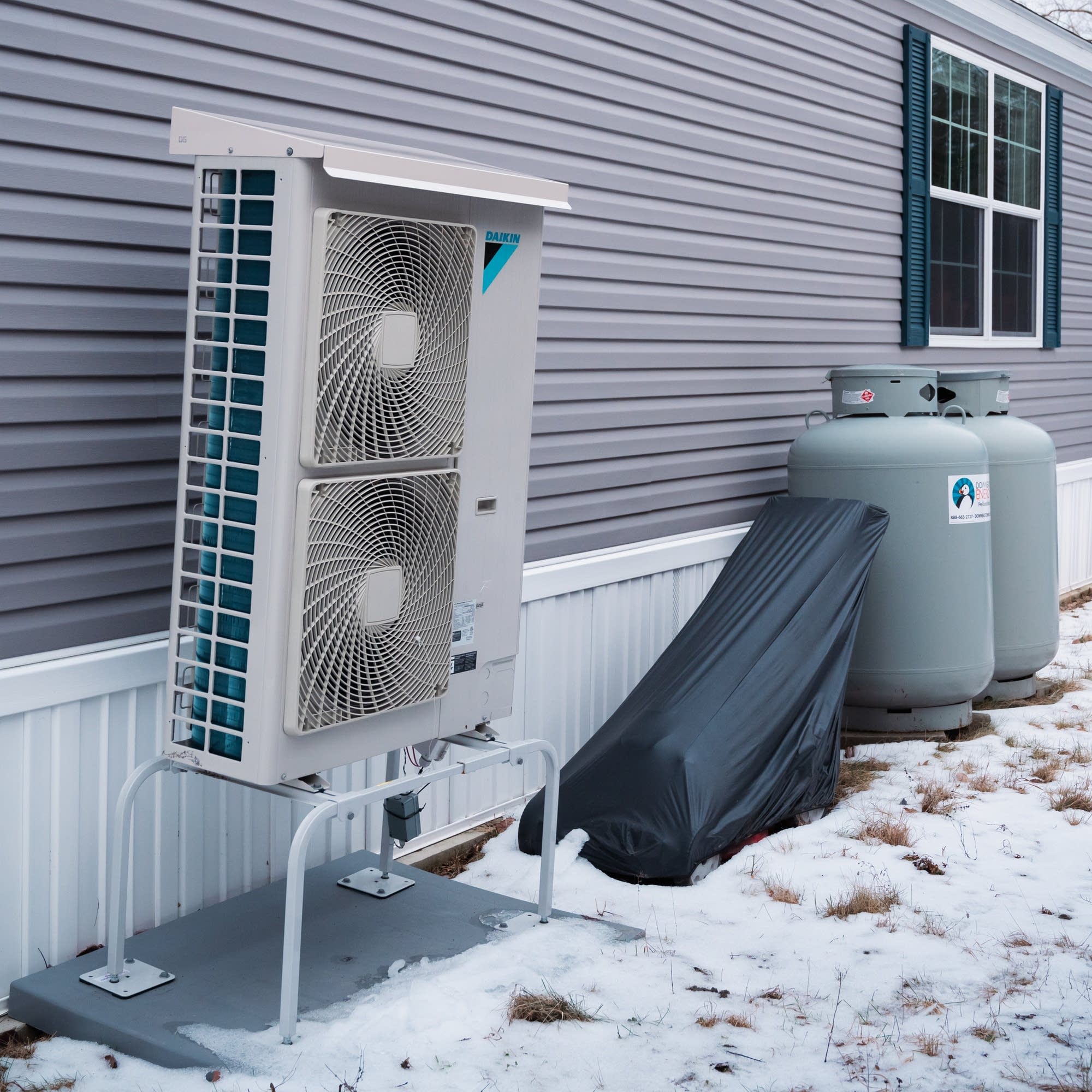
Despite expectations surrounding President Donald Trump’s tariffs, inflation doesn’t seem to be speeding up — though it’s hard to say for sure without all that reliable federal data. You can thank cooling services inflation (where most consumer spending goes) and a softer labor market, which has reduced some companies’ ability to raise prices. Also in this episode: Corporate earnings look bright and sunny, Visa and Mastercard reach an agreement with merchants over credit card fees, and retailers revive physical holiday catalogs.
Every story has an economic angle. Want some in your inbox? Subscribe to our daily or weekly newsletter.
Marketplace is more than a radio show. Check out our original reporting and financial literacy content at marketplace.org — and consider making an investment in our future.
Press play and read along
Transcript
Speaker 1 This podcast is supported by Odoo. Some say Odoo business management software is like fertilizer for businesses because the simple, efficient software promotes growth.
Speaker 1 Others say Odoo is like a magic beanstalk because it scales with you and is magically affordable.
Speaker 1 And some describe Odoo's programs for manufacturing, accounting, and more as building blocks for creating a custom software suite. So Odoo is fertilizer, magic beanstock building blocks for business.
Speaker 1
Odoo, exactly what businesses need. Sign up at odoo.com.
That's odoo.com.
Speaker 3 Introducing your new Dell PC with the Intel Core Ultra Processor. It helps you handle a lot even when your holiday to-do list gets to be a lot.
Speaker 3 Like organizing your holiday shopping and searching for great holiday deals and customer questions and customers requesting custom things, plus planning the perfect holiday dinner for vegans, vegetarians, pescatarians, and Uncle Mike's carnivore diet.
Speaker 3 Luckily, you can get a PC with all-day battery life to help you get it all done. That's the power of a Dell PC with Intel inside, backed by Dell's Price Match Guarantee.
Speaker 3
Get yours today at dell.com/slash holiday. Terms and conditions apply.
See Dell.com for details.
Speaker 2 Well, there's a deal, we think. Let's see what the economy thinks, shall we? From American Public Media, this is Marketplace.
Speaker 2 I'm Kai Rizdahl, Monday, 10 November. Today, good as always to have you along, everybody.
Speaker 2 Whether there does turn out to be a deal to end the government shutdown as it now appears, or whether it falls apart, the government data drought is going to continue through this week, which means we are going to miss a couple of key inflation reports that are due in coming days.
Speaker 2 The consumer and the producer price indexes. So there is that.
Speaker 2 But... We are going to hear from a handful of people over the next couple of days whose job it is to run this economy.
Speaker 2 Among them, Mary Daly, the president of the Federal Reserve Bank of San Francisco, who wrote this morning that despite the president's tariffs, she figures inflation expectations, what we consumers think is going to happen with prices, are still, and this is her quote, relatively well anchored around the Fed's 2% target.
Speaker 2 So we are going to take our cue from her today and have Market Police Justin Ho explain some of the things that seem to be keeping inflation in check.
Speaker 5 Earlier in the year, it seemed like a safe bet that the president's tariffs would cause inflation to pick up.
Speaker 6 You know, somebody has to absorb the costs.
Speaker 5
Jennifer Lee is senior economist with BMO Capital Markets. There are plenty of categories where tariffs have led to higher prices.
For instance, imported goods, including apparel and furniture.
Speaker 5 But Lee says recent trade agreements could prevent inflation from getting worse, including the one-year truce with China.
Speaker 6 Assuming that it does stick, you know, that I think is very good news for the consumer.
Speaker 5 Plus, imported goods just aren't what people spend most of their money on. Sarah House, senior economist at Wells Fargo, says consumers spend the bulk of their money on services.
Speaker 5 And that kind of inflation has been cooling off.
Speaker 6 Things like travel-related prices, medical care, also slowly but surely coming down, and then also a lot of the discretionary services.
Speaker 6 So things like recreation, going out to sports games or the movies.
Speaker 5 Howe says that's because the price of those services is affected less by tariffs and more by the labor market.
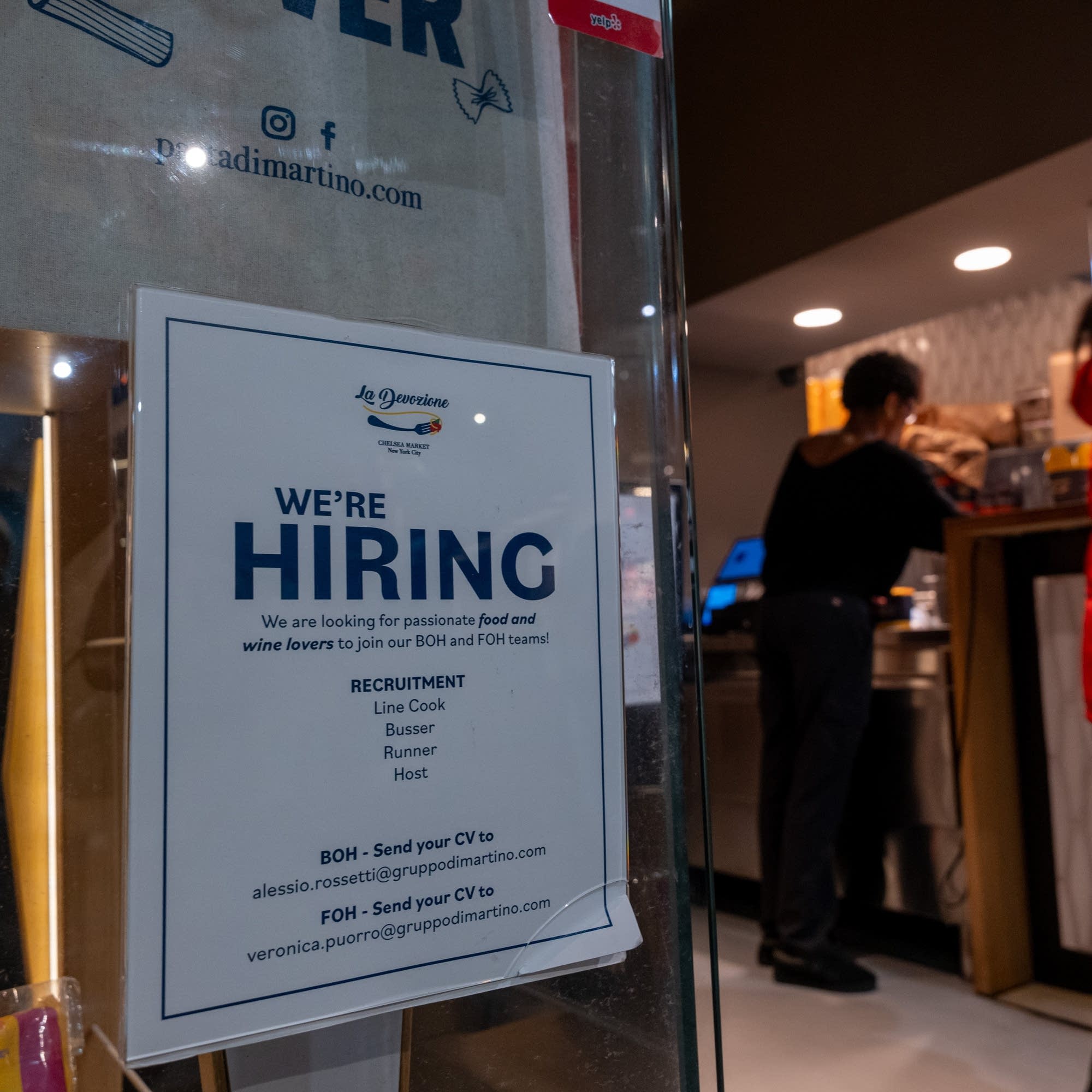
Speaker 6 That was a big source of cost pressures for companies, but now we've seen the jobs market cool off pretty noticeably. And so I think some of those wage pressures have subsided.
Speaker 5 How says that reduces pressure on companies to raise prices? And it limits what companies think they can get away with charging.
Speaker 6 Because consumers, those that are earning those wages, they're going to be probably a little bit more reluctant to accept some of those higher prices if they don't feel like their pay is increasing more.
Speaker 5 That hesitancy to pay higher prices could also keep housing inflation down. Michael Pierce with Oxford Economics says people already are having a difficult time affording rent.
Speaker 7 That's causing people to stay living with their parents for a bit longer or maybe continue to seek out roommates rather than renting their own apartment. So that's kept the lid on demand.
Speaker 5 Meanwhile, there are a lot of vacant apartments in many parts of the country. Pierce says all of that takes pressure off of rent growth and inflation overall.
Speaker 7 For the Consumer Price Index, it's about a third of the index. So if that keeps coming down, that's a big tailwind for lower inflation over the coming months.
Speaker 5 Pierce says he expects that inflation will fall closer to the Fed's 2% target over the coming years. I'm Justin Ho for Marketplace.
Speaker 2
Wall Street to end the week. Sure there is the end of the shutdown.
Maybe. There's some AI optimism too, because of course there is.
We will have the details when we do the numbers.
Speaker 2 Few of us these days probably pull the actual plastic out of our wallets when we want to put a purchase on our credit cards. A quick tap of the phone usually does it.
Speaker 2 But there is big news today that dates back as far as those bygone days of actual plastic.
Speaker 2 Every time you use your credit card, as you know, actual or digital, whether for a cup of coffee or a new couch, the retailer pays a fee to the credit card company and the bank that issues that card, a couple of percentage points of the total give or take.
Speaker 2 Retailers hate that, as you might imagine, and today they have gotten some relief. An agreement with card issuers, under which some of those fees will be trimmed by a tenth of a percentage point.
Speaker 2 That is not a lot, in absolute terms, no, but in the aggregate, it does add up.
Speaker 2 Also, and credit card rewards fans, listen up now, the settlement would allow retailers to reject some rewards cards, which often carry higher swipe fees. Marketplace's Daniel Ackerman explains.
Speaker 8 If you haven't followed the ins and outs of this now 20-year dispute, here's a quick summary.
Speaker 9 This lawsuit is a long, strange trip.
Speaker 8 Doug Cantor is general counsel for the National Association of Convenience Stores.
Speaker 8 He says merchants first sued Visa and MasterCard in 2005, alleging they conspired with banks to set high swipe fees, which merchants either had to eat or pass on to customers.
Speaker 9 We all pay these fees. It inflates the cost of almost everything we buy.
Speaker 8 A judge rejected a previous deal and assigned court-appointed lawyers to the merchants to reach this new agreement, which Cantor says they weren't thrilled about.
Speaker 8 So, what does this deal mean for credit card use?
Speaker 10 My guess is not a whole lot changes.
Speaker 8 David Koenig is a payments analyst with Baird. He says, even though merchants could now reject rewards cards with high swipe fees, they may not want to.
Speaker 10 On average, those who have high rewards cards are generally more affluent and probably probably spend a lot more. And most merchants are not going to want to deny a high spender at the point of sale.
Speaker 8 That puts small business owners in a bind, says Erica Palmer, who heads the Independent Restaurant Coalition. She says the vast majority of consumers use rewards cards.
Speaker 11 And if you own a restaurant, you feel this pain every single day. Swipe fees are one of our highest operating costs after labor, and they've quadrupled since 2010.
Speaker 8
Palmer says this deal doesn't come close to fixing that. Swipe fees in the U.S.
are still among the highest in the world.
Speaker 12 The relief is really sort of a drop in the bucket.
Speaker 8 Groups representing the banks and credit cards, though, disagree. Richard Hunt chairs the Electronic Payments Coalition.
Speaker 13 Both sides had to give in, so therefore, we think it is a very good deal for both the merchants and the financial services industry.
Speaker 8 The judge still has to approve the new settlement, which, based on the long and winding history of this case, is no sure thing. I'm Daniel Ackerman for Marketplace.
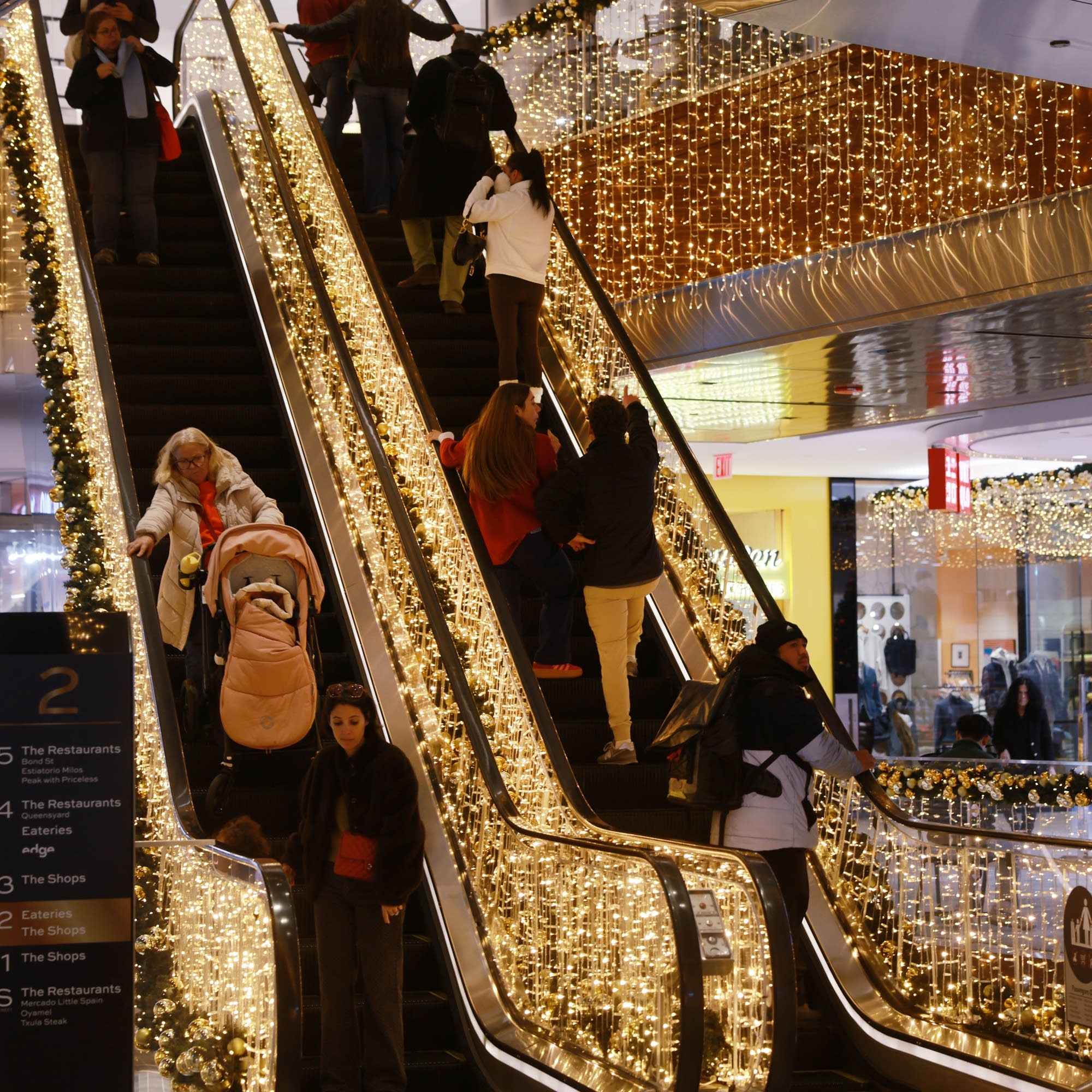
Speaker 2 There are, as of this writing, 44 shopping days until Christmas.
Speaker 2 You already know that, though, because you're already being swamped with holiday shopping campaigns, television ads, and emails, social media.
Speaker 2
Also, increasingly, catalogs, the actual glossy paper things that show up in your mailbox. Walmart published its first furniture catalog this year.
J.
Speaker 2 Crew and Nordstrom, and brands in between, have restarted their mail to advertising as well.
Speaker 2 Why?
Speaker 2 Well, as Marketplace's Kristen Schwab reports, one person's junk mail is another person's welcome reminder.
Speaker 14 When you think of mailed catalogs, maybe you imagine those old ones from Sears that were hundreds of pages, as thick as a phone book. The catalogs of today are different.
Speaker 15 These catalogs are smaller. They're intended to be much more targeted.
Speaker 14 Sucharita Kadali is a retail analyst at Forrester. She says the point of catalogs today isn't just to sell you stuff.
Speaker 14 I mean, of course, that's always the end goal, but really, mailers are a marketing strategy used by a lot of new and direct-to-consumer retailers to increase brand awareness.
Speaker 14 It's expensive advertising that stands out.
Speaker 15 You know, you can send catalogs or you can open stores, and opening stores is even more expensive.
Speaker 14 Catalogs are a way for retailers to exist in real life when they don't have physical stores. For bigger and more well-known retailers, catalogs are about curation.
Speaker 14 They're an offering of what's in style, not a display of everything that's for sale.
Speaker 14 Because the internet, the access consumers have to brands and the access brands have to consumers has made shopping overwhelming. Haley Farini is a media analyst at Mintel.
Speaker 16 So we're seeing, of course, a rise in fatigue with digital advertising and just more of a desire for these tangible sensory experiences.
Speaker 14 Farini says 70% of consumers say there are so many ads online that they don't even notice them, according to Mintel research. Most people just keep scrolling.
Speaker 14 And with the rise of AI, consumers have become more skeptical of ads and wary of scammers.
Speaker 16 So it's kind of like accessibility of ads online has almost in turn diminished the credibility and the associated prestige.
Speaker 14 Finally, mailers offer nostalgia. Paul Miller is managing director at the American Commerce Marketing Association.
Speaker 17 There still remains a level of excitement in getting your mail every day, no matter what you're getting. You know, they're making the mail entertaining.
Speaker 14
Maybe almost too entertaining. Each year, Amazon sends out a holiday toy catalog with stickers for kids to mark favorite items.
The booklets also have games and codes for free Roblox wearables.
Speaker 14
And yeah, children love this thing. Parents, not so much.
And they're taking to social media to commiserate, like this video from digital creator Beth Crosby.
Speaker 14
Before Amazon's holiday dash, my child wanted a Barbie. Now she wants an Apple Air iPad and some AirPods.
She's seven.
Speaker 14 What's maybe savviest about these catalogs is Amazon doesn't list the prices of the toys, just QR codes, which shoppers can scan for faster checkout. I'm Kristen Schwab for Marketplace.
Speaker 2 We say all the time on this program that economic headlines are all well and good, but what really matters is what people are feeling in their day-to-day.
Speaker 2 Here's an example of that and how it can change somebody's life. Our series is called My Economy.
Speaker 18 Hi, my name is Florian Roper, and I am the founder of Studio Roper here in Napa Valley. For over 20 years, I have been designing and building bespoke handmade furniture for the luxury market.
Speaker 18 Two years ago, I made a crazy decision to become a full-time artist.
Speaker 18 In 2022 and 23,
Speaker 18
I had my best years in business ever. If you can remember, those two years were the years of COVID revenge spending.
People were sick and tired of being cooped up in their homes.
Speaker 18 And they had also saved quite a bit of money because they weren't able to travel and go out and spend. And all of that meant that there was really high demand for furniture.
Speaker 18 What I noticed towards the end of 2023, there was an abrupt decline in inquiries and orders. So my warning flags went up and I have to sit down and strategize: like, how am I going to stay afloat?
Speaker 18
And what I came up with made absolutely no sense on paper. I decided to put my furniture business on hold and to become a full-time artist.
Over the next two years, I poured myself into making art.
Speaker 18 I was able to create over 30 original artworks in that time. I was also able to burn through all of my savings in that time.
Speaker 18 I invested tens of thousands of dollars in materials, overhead, and also into the creation of my new art gallery.
Speaker 18 One of my good clients who had purchased furniture in the past, he was excited to see my new art gallery, so I gave him the tour. He was only the second person to see the art.
Speaker 18 I noticed like a magnet, he kept walking back to this one beautiful painting and I could see he was getting lost in it and was already picturing it in his living room.
Speaker 18 And sure enough, that day he walked out the door with a $22,000 painting. And of course, that for me was the moment of validation.
Speaker 18 It signaled to me that this won't be an overnight success, but having the artwork as an extension of my brand, as an extension of my furniture work,
Speaker 18 in the long run, all of that sacrifice is going to be worthwhile.
Speaker 2 Florian Roper, Designing Furniture and Now Art up in Napa, California. Whether you make a pivot like that or not, we do want to hear your stories.
Speaker 2 You can go to marketplace.org slash myeconomy to share them with us.
Speaker 2 Coming up.
Speaker 12 Even AI-generated videos as opposed to traditional home walkthroughs.
Speaker 2 The AIification of real estate straight ahead. But first, let's do the numbers.
Speaker 2 Dow Industrial is up 381 points today, 8 tenths of 1%,
Speaker 2 47,368. The NASDAQ picked up 522 points, 2.25%,
Speaker 2 23,527. The S ⁇ P 500, 103 points to the good, 1.5%, 68, and 32%.
Speaker 2 You know, the high cost of beef has a lot of people turning to chicken instead, and that is good news for Tyson Foods. The meat packer reported beef prices were up 17% during the most recent quarter.
Speaker 2
Beef sales went the other way, down 8%. The company forecasts its revenue for the year is going to come in above expectations.
Tyson's cooked up two and three-tenths of one percent.
Speaker 2 Packaged food manufacturer Treehouse Foods makes private brands, snacks, and sauces and bakery items being bought out by the bye-bye European investment firm Invest Industrial, which already owns, among other things, a high-fashion brand, a manufacturer of handmade automobiles, and you're not going to believe this one, jacuzzi just because.
Speaker 2 Shares in Treehouse popped almost 23%
Speaker 2 today.
Speaker 2 Bond prices went down. The yield on the 10-year T-note rose 4.11%.
Speaker 2 You're listening to Marketplace.
Speaker 19 This podcast is brought to you by Wise, the app for international people using money around the globe.
Speaker 19 With Wise, you can send, spend, and receive up to 40 currencies with only a few simple taps and save up to 55% compared to major banks.
Speaker 19 Whether you're buying souvenirs with pesos in Puerto Vallarta or sending Euros to a loved one in Paris, you know you're getting a fair exchange rate with no extra markups.
Speaker 19 That's what makes Wise the fast, fast, affordable way to use your money around the globe.
Speaker 19 WISE offers 24-7 live support and runs over 7 million daily checks to catch and prevent fraud, so you know your money is where it's supposed to be. Be smart.
Speaker 19
Join the 15 million customers who choose WISE. Download the WISE app today or visit wise.com.
Learn more by visiting wise.com slash US slash compare. T's and C's apply.
Speaker 1 This podcast is supported by Odo. Some say Odo business management software is like fertilizer for businesses because the simple, efficient software promotes growth.
Speaker 1 Others say Odoo is like a magic beanstalk because it scales with you and is magically affordable.
Speaker 1 And some describe Odo's programs for manufacturing, accounting, and more as building blocks for creating a custom software suite. So Odoo is fertilizer, magic beanstock building blocks for business.
Speaker 1
Odoo, exactly what businesses need. Sign up at odoo.com.
That's odoo.com.
Speaker 2 This marketplace podcast is supported by Wealth Enhancement, who ask, do you have a blueprint for your money?
Speaker 2 Wealth Enhancement can help you build the right blueprint for investing, retirement, tax, and more.
Speaker 2 With offices nationwide, there's an advisor who's ready to listen and craft a blueprint for your future. Find out more at wealthenhancement.com/slash build.
Speaker 20 Fifth Third Bank's commercial payments are fast and efficient, but they're not just fast and efficient. They're also powered by the latest in payments technology, built to evolve with your business.
Speaker 20 Fifth Third Third Bank has the big bank muscle to handle payments for businesses of any size, but they also have the FinTech Hustle that got them named one of America's most innovative companies by Fortune magazine.
Speaker 20 Big bank muscle, FinTech Hustle. That's how Fifth Third brings you the best of all worlds, going above and beyond the expected, handling over $17 trillion in payments each year with zero friction.
Speaker 20 They've been doing it that way for 167 years, but they also never stop looking to the future to take their commercial payments two steps ahead of tomorrow, constantly evolving to suit the ever-changing needs of your business.
Speaker 20
That's what being a fifth-third better is all about. It's about not being just one thing, but many things for our customers.
Big bank muscle, fintech hustle.
Speaker 20 That's your commercial payments, a fifth-third better.
Speaker 2
This is Marketplace. I'm Kai Rizdahl.
Corporate earnings season is winding down, though there are a couple of big names yet to report. We're going to hear from Cisco on Wednesday, Disney on Thursday.
Speaker 2 Nvidia reports middle of next week. That, believe you me, is going to get a lot of headlines.
Speaker 2 But with about 450 of the 500 companies in the eponymously named SP index having already reported, it's about 90% or so, there is some clarity on how things have been going for big companies in this less than certain economy.
Speaker 2 Marketplace Mitchell Hartman reports.
Speaker 4 I talked to a lot of stock analysts this morning, and none of them had anything negative to say about how corporate America is doing right now.
Speaker 21 It's been a good earnings season.
Speaker 4 That's Daniela Hathorne at brokerage firmcapital.com.
Speaker 21 She says of the SP 500 companies that have already reported, over 80% have actually beaten estimates for earnings per share, and over 75% beating revenue forecasts.
Speaker 4 This strength is led by AI and tech stocks, with earnings up 26% over last year. But it's not only that sector, says Sam Stovall at CFRA Research.
Speaker 22 Financials 22.2, communications services up 15.5%,
Speaker 22 utilities up 13.4%, driven mainly by the power needs by AI.
Speaker 4 But while earnings have been impressive, stock performance in response has not, says Richard DeSchausel at William Blair Equity Research.
Speaker 23 The market's reaction since the end of October has been a little bit circumspect. So the S ⁇ P 500 up until Friday was down about 2.4%.
Speaker 4 Now heading into earnings season, stock prices were already pretty high, says Sam Stovall.
Speaker 22 The real problem I think is valuations, price to earnings ratios. Recently, the SP 500 was trading at a more than 40% premium to its average 20-year PE.
Speaker 4 Keep in mind, the market kept hitting record highs through the summer and early fall, says Adam Turnquist at LPL Financial.
Speaker 24
You've had, call it a 40% rally since the April lows coming into Q3 reporting. The market very overbought, pretty high expectations.
Maybe we'll call it price for perfection.
Speaker 4 And perfection is hard to beat. Still, Turnquist says companies' forecasts and their earnings calls have been upbeat.
Speaker 24 We haven't had a lot of downside negative commentary from corporate America. They're talking about this resilient consumer, more and more spending on AI.
Speaker 4 So it looks like America's biggest companies will have more good news early next year. I'm Mitchell Hartman for Marketplace.
Speaker 2
Artificial intelligence has changed how people shop in this economy in all kinds of ways. We ask chatbots for product recommendations.
Companies let consumers buy directly through ChatGPT.
Speaker 2 Honestly, though, that's kind of small beans compared to this next item. Kat Tenbarge wrote and wired the other day about how AI is messing with the already complicated process of buying a home.
Speaker 2 Kat, it's good to talk to you.
Speaker 12 Thanks so much for having me.
Speaker 2
So obviously, AI and AI imagery is all over the place. Seems a little different, though, in real estate listings.
Tell me what you're seeing.
Speaker 12 Yes. So there is a lot of sort of AI revolution happening in this space.
Speaker 12 And some of the features that I've been seeing are sort of AI edits happening to listing photos and even AI generated videos as opposed to traditional home walkthroughs.
Speaker 2 All right. So not to get all, you know, prim and proper about this, but isn't that kind of cheating?
Speaker 12
Yes. I think that the consumer sentiment that I've encountered around this has mostly been really negative.
People don't want to see AI-edited images or entirely AI-generated images.
Speaker 12 They want to see authentic real pictures of the house that they're going to buy or the apartment they're going to rent so that they don't waste their time and show up and see an entirely different property.
Speaker 2 Right.
Speaker 2 And also, I mean, it's one thing to see sort of, you know, AI stuff on a, on a quick little reel that goes by or whatever, but this is a thing I'm going to pay hundreds and hundreds of thousands of dollars for, and you're not showing me real pictures.
Speaker 2 Hello?
Speaker 12 Yes. This is the biggest cost that most people will have in their day-to-day lives.
Speaker 2 Are they allowed to do this, the Realtors? I mean, look, realtors have been much in the news of late about that lawsuit about commissions and all that, but
Speaker 2
they keep an eye on their own. The National Association of Realtors does.
What do they have to say about this?
Speaker 12 So they point to their existing standards and ethics, which do sort of have pre-existing statutes around being responsible and not sort of editing listing images, listing descriptions past the point of reality.
Speaker 12 But I think that they're probably going to run into some trouble here because the fact that the technology is often creating images that it will hallucinate.
Speaker 12
It will add in staircases that don't really exist. It will put rooms in different places.
So it just adds another layer of scrutiny here.
Speaker 12 And I think that there is going to be kind of a pushback from the consumer side.
Speaker 2
And also actually within the industry, right? Because not for nothing, staging homes is a business. And there are people who are employed here.
There are companies who do this for a living.
Speaker 2 And now this all kind of goes away because some realtor, you know, takes 10 minutes and creates some AI sloppy kind of thing.
Speaker 12 Right.
Speaker 12 One of the people I actually spoke to is a real estate photographer who told me that he has experimented with AI tools to stay at the top of his game, but he feels like in the end, he's not going to be replaced because he thinks he can do it better, faster, cheaper than some of these AI tools where you'd have to go back and try to fix their mistakes, or ultimately are going to end up with a product that consumers aren't going to go for.
Speaker 2 Oh man, I hope he's right, but I don't know. I hope he's right.
Speaker 2 So let's say I'm looking for a home, which I'm not for the record. What are the tells?
Speaker 2 How am I going to know, other than really obvious, terrible AI videos, how am I going to know that this is an AI-generated listing and or pictures and video?
Speaker 12 So one of the realtors I spoke to has a really interesting trick when it comes to listing descriptions.
Speaker 12 So like the text on Zillow, he said if the listing uses the word nestled, like this property is nestled between like a national park and a thriving shopping district.
Speaker 12 If it uses the word nestled, he said that is a pretty sure sign that ChatGPT was involved, which I thought was really interesting.
Speaker 12 And then in terms of being able to tell photo and video wise, it's getting harder and harder with every passing day. I've been covering AI for years.
Speaker 12 And in the beginning, I felt like I had a pretty good handle.
Speaker 12 But with some of the newer AI stuff I've been seeing, I genuinely don't think that I would be able to tell if I came across it in the wild.
Speaker 2 Are you in the market for a house per chance?
Speaker 12 I am not,
Speaker 12 but I have been speaking to people who are. And this is just yet another concern that they now have to add on top of all of the other factors that go into these decisions.
Speaker 2 Right, and look, buying a house is tough enough, right? I mean, that's the deal, exactly. Yeah, Kat 10 Barge, uh, running and wired about AI and real estate listings.
Speaker 2 Kat, thanks a lot, I appreciate your time. Thanks so much.
Speaker 2
This final note on the way out today, just so as it doesn't get lost in the shuffle. Air travel is still challenging.
Shutdown deal or no shutdown deal. As of airtime for us today,
Speaker 2
2,100 U.S. cancellations.
That is according to Flight Aware.
Speaker 2
Amir Babawi, Caitlin Ash, John Gordon, Oyakar, Amanda Petra, and Stephanie Seek are the marketplace editing staff. Kelly Silvera is the news director.
And I'm Kyle Risdahl.
Speaker 2 We will see you tomorrow, everybody.
Speaker 2 This is 8 p.m.
Speaker 14 We've all done it.
Speaker 25 Stock our fridge with good intentions, only to sacrifice nutrition for convenience. Keep your body and mind nourished with whole body meal shakes from Cachava.
Speaker 25
It's got 25 grams of protein, 6 grams of fiber, greens, and so much more. But it actually tastes delicious.
Try one of Cachava's indulgent flavors today.
Speaker 25
Shop now through December 2nd to get 30% off your first purchase of two or more bags. Go to cachava.com and use code NEWS.
That's K-A-C-H-A-V-A.com code news.